
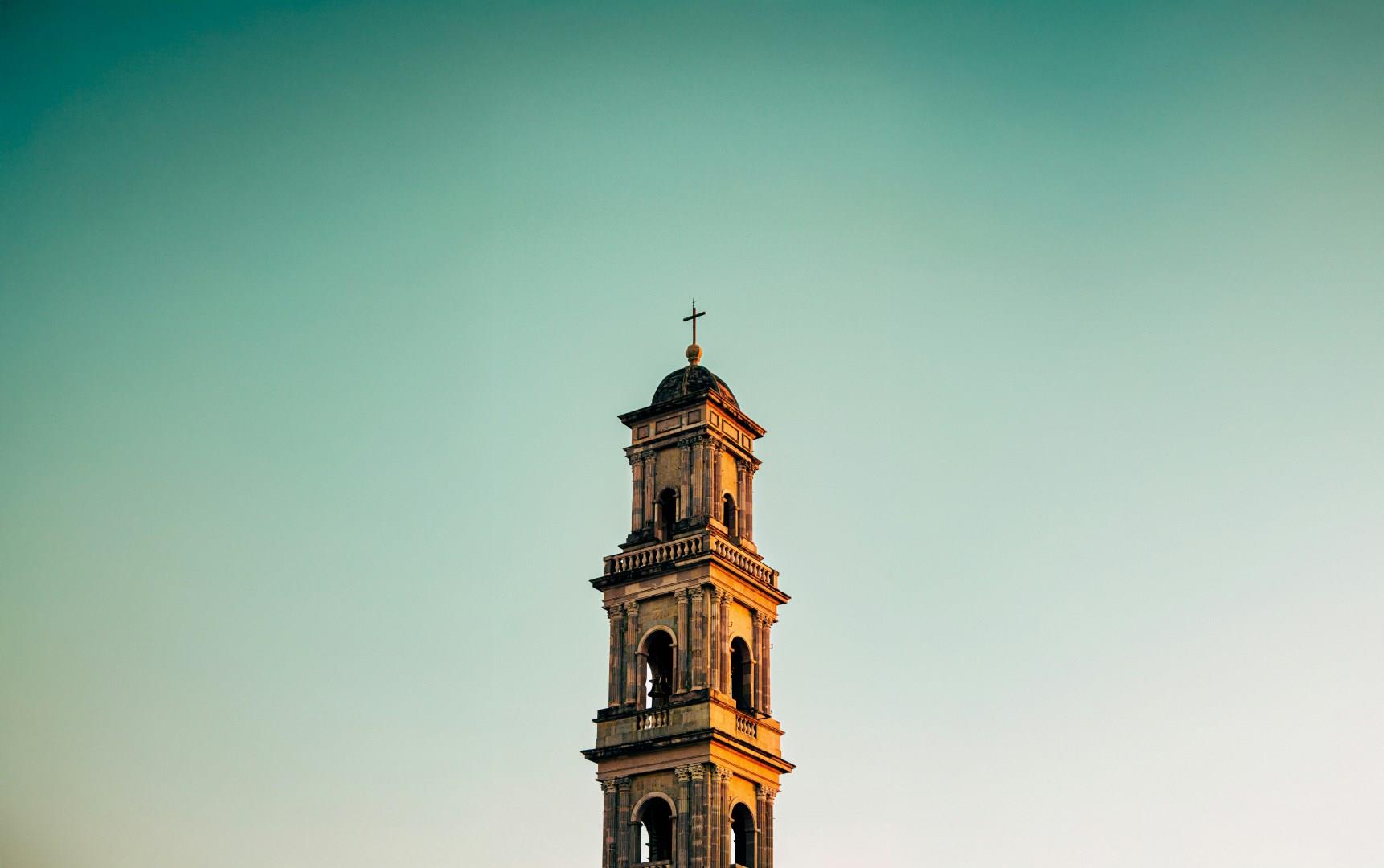
Tampico
Tampico, located on the Gulf Coast of Tamaulipas, is a port city with a layered history shaped by trade, oil, and immigration. Its downtown district is known for neoclassical buildings, many of which were constructed with imported bricks and ironwork from Europe during the oil boom of the early 20th century. One of Tampico’s most photographed structures is the Mercado Municipal, rebuilt in recent years but still functioning as a central hub for daily life.

Bad Schandau
Nestled in the heart of Saxon Switzerland, Bad Schandau, Germany, is a picturesque spa town that enchants visitors with its stunning natural landscapes, historic charm, and wellness offerings. Set along the banks of the Elbe River and surrounded by the towering sandstone cliffs of the Elbe Sandstone Mountains, Bad Schandau serves as a gateway to the breathtaking Saxon Switzerland National Park.

Papua New Guinea
Papua New Guinea is a land of surprises, where misty highlands give way to tropical coasts and vibrant festivals stir every sense. In the Highlands, the air carries the echoes of ceremonial drums and elaborate sing‑sings like the famed Goroka Show, where over 100 tribes gather in September to perform dances adorned with feathered headdresses, body paint, and the haunting clay masks of the Asaro Mudmen.

Hilo, Hawaii
Hilo, the charming and laid-back gateway to Hawaii’s Big Island, offers an authentic Hawaiian experience steeped in natural beauty, history, and culture. As the largest town on the east side of the island, Hilo sits at the foot of two majestic volcanoes: Mauna Loa, the world's largest volcano, and Mauna Kea, a dormant volcano that hosts some of the world's most advanced astronomical observatories.
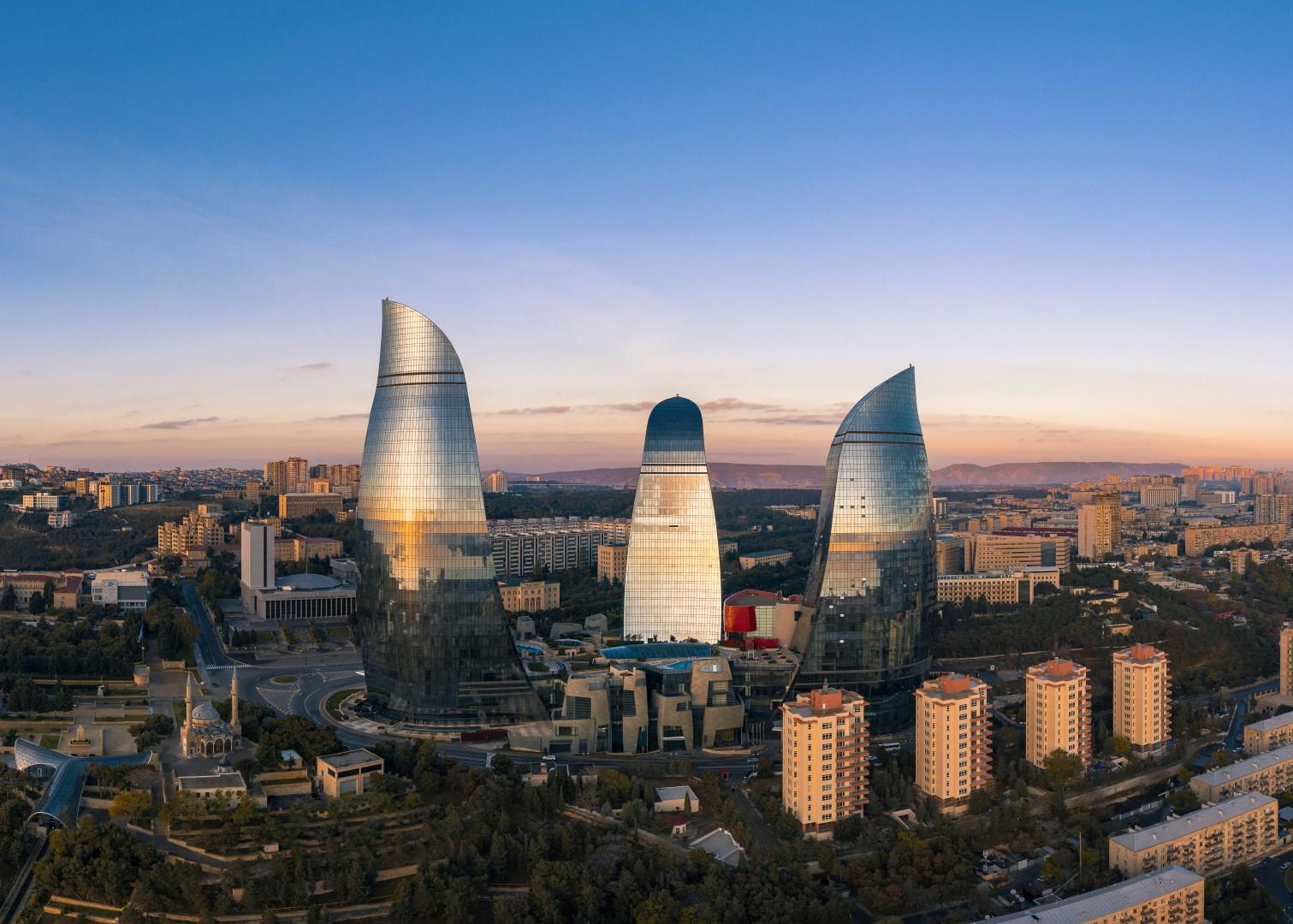
Baku
Baku, the capital of Azerbaijan, rises on the shores of the Caspian Sea as a city of striking contrasts. Its futuristic skyline, defined by the Flame Towers, glows each evening in waves of light, while the UNESCO-listed Old City preserves centuries of history within its fortified walls.


