
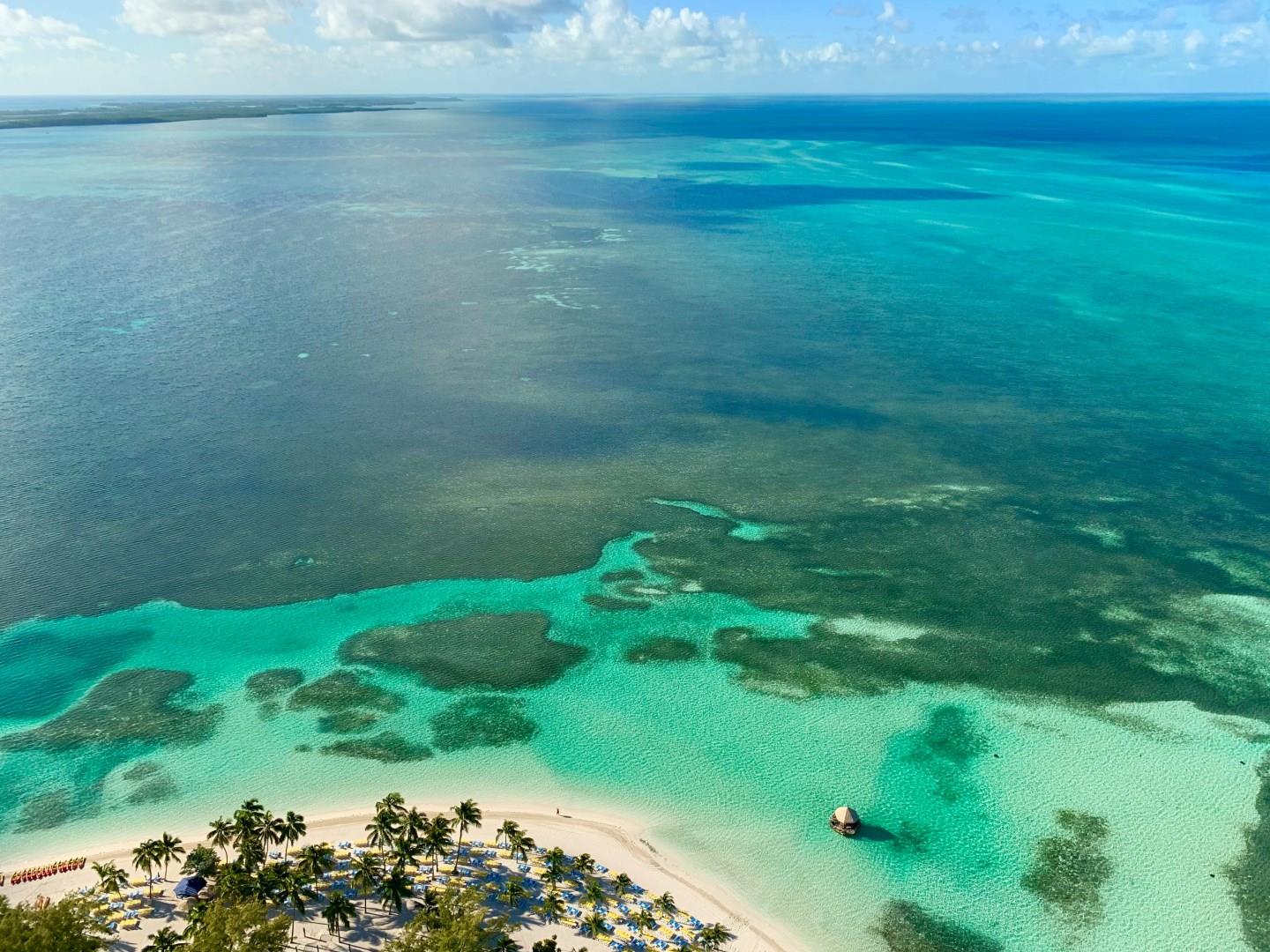
CocoCay
CocoCay, officially known as Perfect Day at CocoCay, is Royal Caribbean’s private island in the Bahamas designed to combine the laid-back charm of the Caribbean with world-class resort amenities.

La Jolla
La Jolla, California, is a coastal gem nestled within San Diego, renowned for its breathtaking cliffs, pristine beaches, and charming village atmosphere. One of the main draws is the La Jolla Cove, a picturesque spot that offers crystal-clear waters perfect for snorkeling, kayaking, and spotting marine life, including the iconic California sea lions that sunbathe on the rocks.
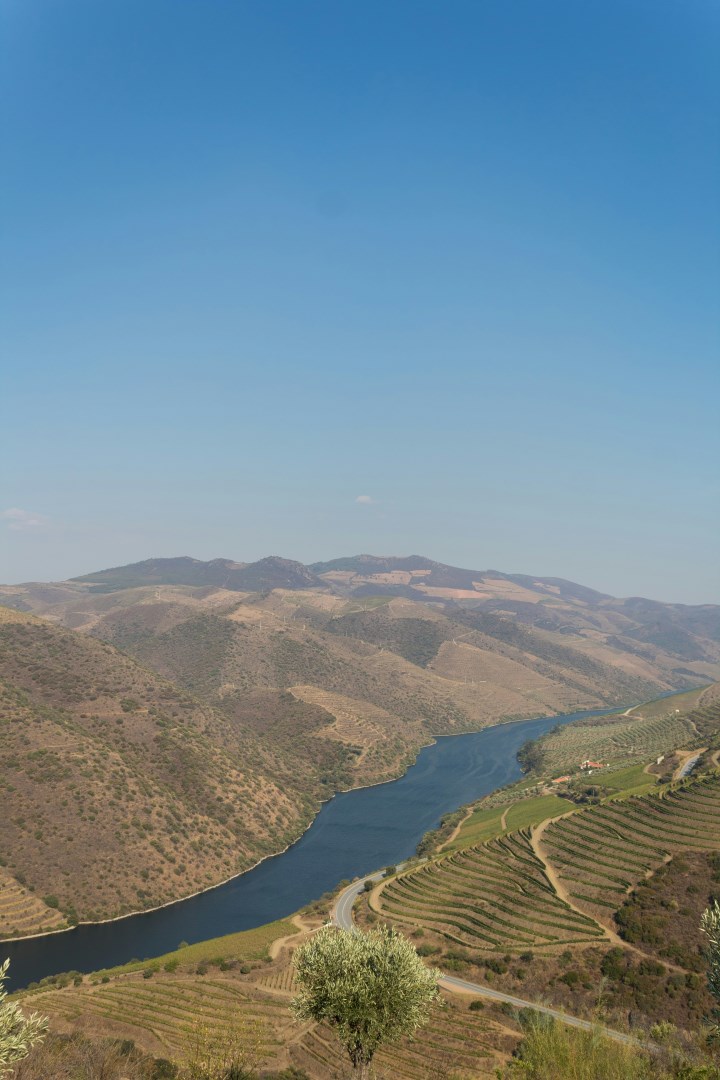
Côa Valley
Coa Valley lies in northeastern Portugal near the Douro River, in a landscape shaped by steep hills, schist cliffs, vineyards, olive groves, and almond trees. The area is best known for its open-air prehistoric rock engravings, spread across the banks of the Coa River and protected as a UNESCO World Heritage Site.

Barbados
Barbados, an idyllic island in the Caribbean, offers a delightful blend of natural beauty, vibrant culture, and rich history. Known for its stunning beaches, crystal-clear waters, and year-round warm climate, Barbados is a paradise for sun-seekers and adventure enthusiasts alike. The island’s western coast boasts the famous West Coast Beaches, including Payne’s Bay and Sandy Lane, where soft white sands and turquoise waters provide the perfect backdrop for relaxation or water sports.

Bari
Bari, the capital of Puglia in southern Italy, is a vibrant port city with a rich history and lively atmosphere. Begin your exploration at the Basilica di San Nicola, an iconic pilgrimage site housing the relics of Saint Nicholas. This Romanesque church, dating back to the 11th century, is renowned for its stunning architecture and historical significance (Basilica di San Nicola).


