Nha-Trang
Nha Trang, located on Vietnam's southern coastline, is a vibrant city renowned for its stunning beaches and dynamic culture. This coastal paradise boasts a 6-kilometer stretch of golden sand along Nha Trang Beach, where turquoise waters meet palm-fringed shores, perfect for sunbathing and swimming.
Lake Havasu City
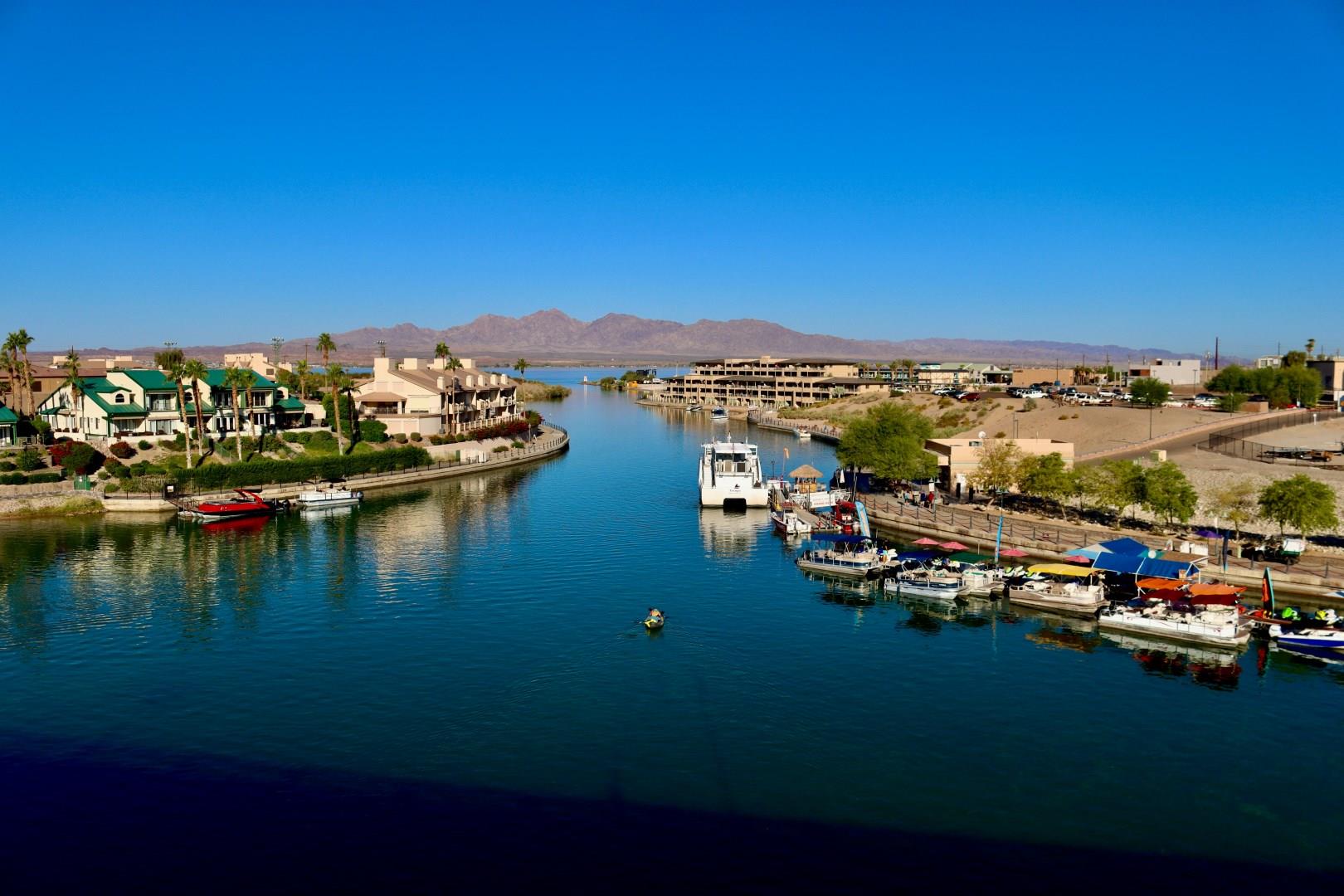
Lake Havasu City rises from the Mojave Desert along the shores of Lake Havasu, a broad reservoir on the Colorado River that draws visitors with its radiant blue water and warm sunshine nearly all year. The most famous landmark here is the London Bridge, a granite-clad structure that once spanned the River Thames in England. This iconic span now connects the mainland to an island filled with shops, restaurants, and resorts, inviting visitors to stroll beneath its arches.

Florence
Florence (Firenze) is a compact city, but densely packed with spectacular art and architecture everywhere you look. The city center itself is a UNESCO World Heritage Site.

Dendera
Located on the west bank of the Nile, Dendera is home to the famous Dendera Temple Complex, one of the best-preserved ancient Egyptian temples. The Temple of Hathor features impressive reliefs and intricate carvings that draw visitors interested in Egyptology and ancient history.

Franz Josef Glacier
Accessible glacier located on New Zealand's South Island. Visitors can take guided hikes of Franz Jose to view its tunnels, crevasses and caves.