Washington
Washington State offers travelers a dynamic mix of landscapes, cultures, and experiences shaped by volcanoes, forests, coastline, and innovation. Seattle, the state’s largest city, is home to the iconic Space Needle, buzzing Pike Place Market, and holds deep roots in music history. Visitors can stand on the original floor of the first Starbucks, explore interactive exhibits at the Museum of Pop Culture, or catch a ferry from the city’s waterfront for a scenic ride across Puget Sound.

Manaus
Manaus, capital of Brazil’s Amazonas state, is a city that rises unexpectedly from the rainforest. Once the center of the global rubber boom in the late 1800s, Manaus still holds onto that legacy with surprising elegance. The Teatro Amazonas, an opulent opera house imported piece by piece from Europe, sits at the heart of the city, its pink façade and domed roof tiled in the colors of the Brazilian flag. Today, it hosts concerts, festivals, and curious visitors eager to step back in time.
Saint-Émilion
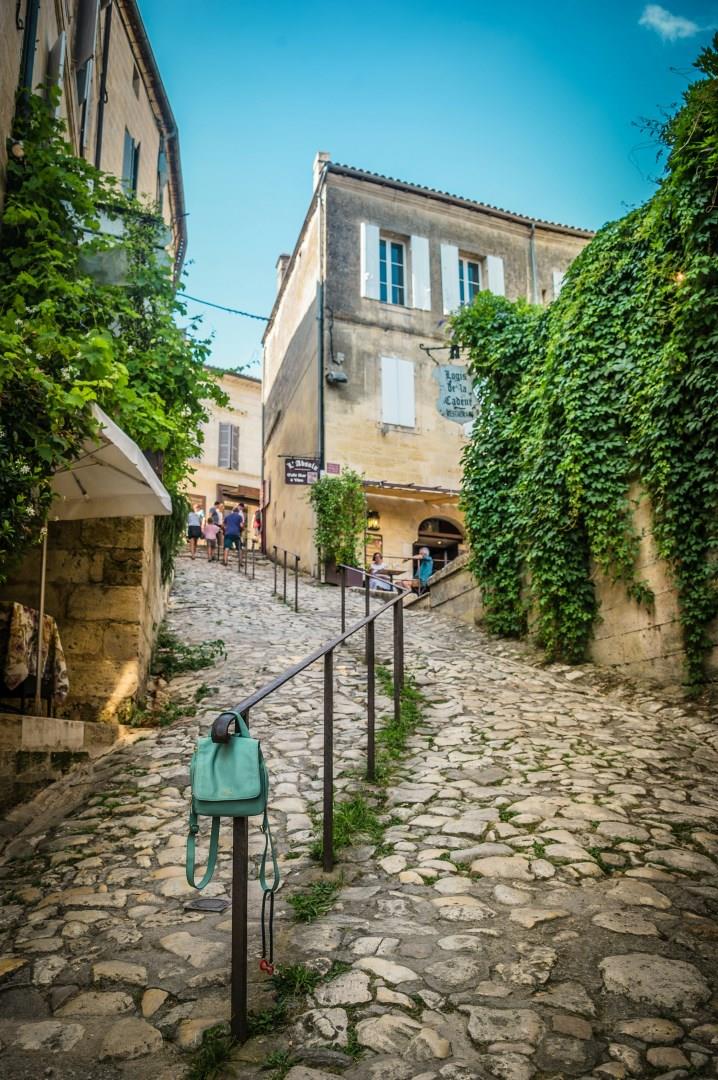
Saint-Émilion, nestled in the heart of southwest France, is a living monument to centuries of craftsmanship, faith, and wine-making. Recognized as a UNESCO World Heritage Site since 1999, this medieval town sits on a limestone plateau surrounded by vineyards that date back to Roman times. Visitors can explore cobbled streets that wind past centuries-old stone houses, descend into underground catacombs carved by monks, and visit the astonishing Monolithic Church.

Bonifacio Corsica
Bonifacio is located at the southernmost tip of the island of Corsica. The town towers above the "Bouches de Bonifacio" the strait between Corsica and Sardinia, above islands and reefs. Bonifacio has survived a unique history, founded in 833, and somehow has defied time and events.

Alghero Sardinia
Alghero, located on the northwest coast of Sardinia, Italy, is a seaside city that blends history, culture, and natural beauty.