Rovaniemi
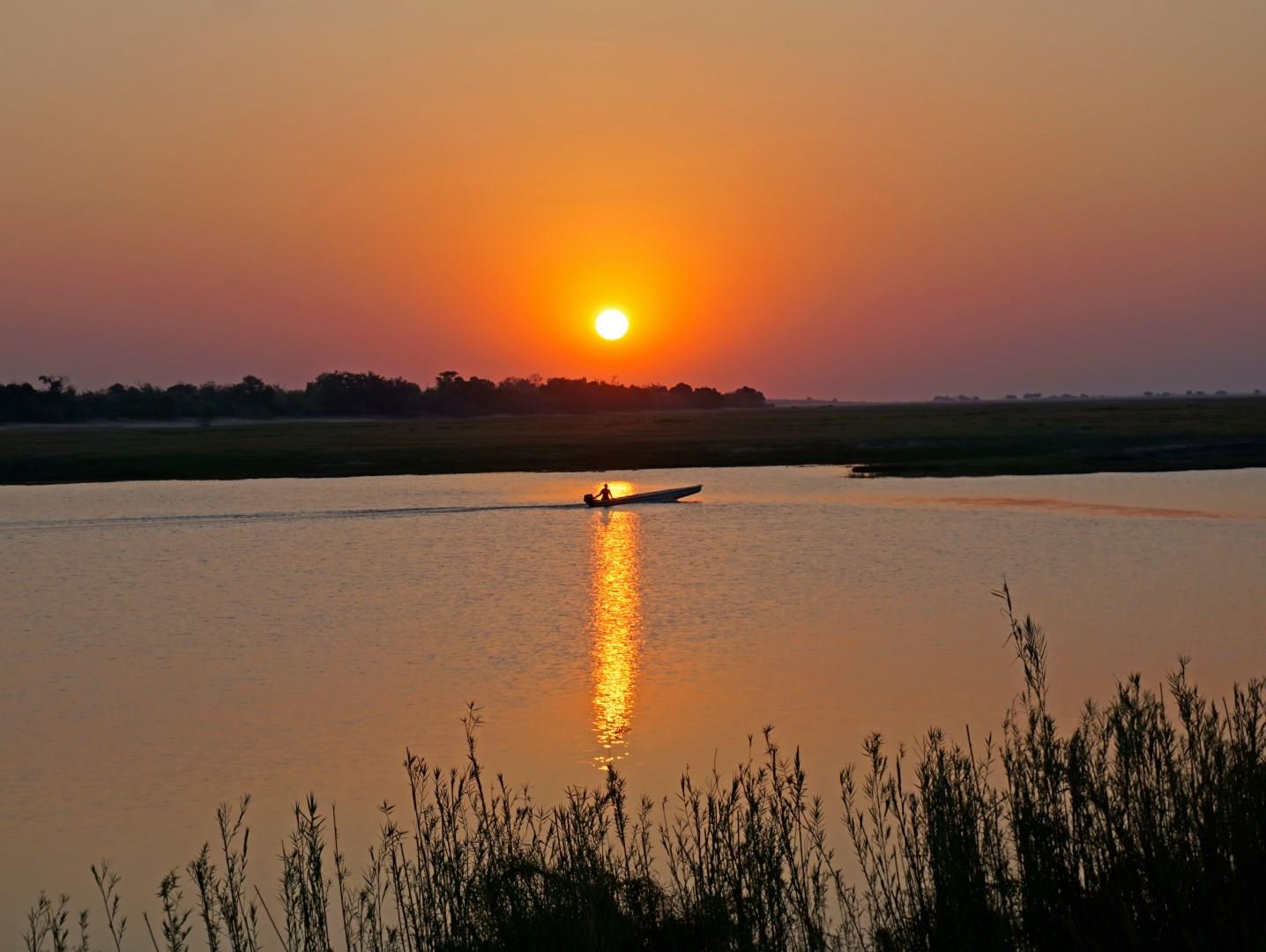
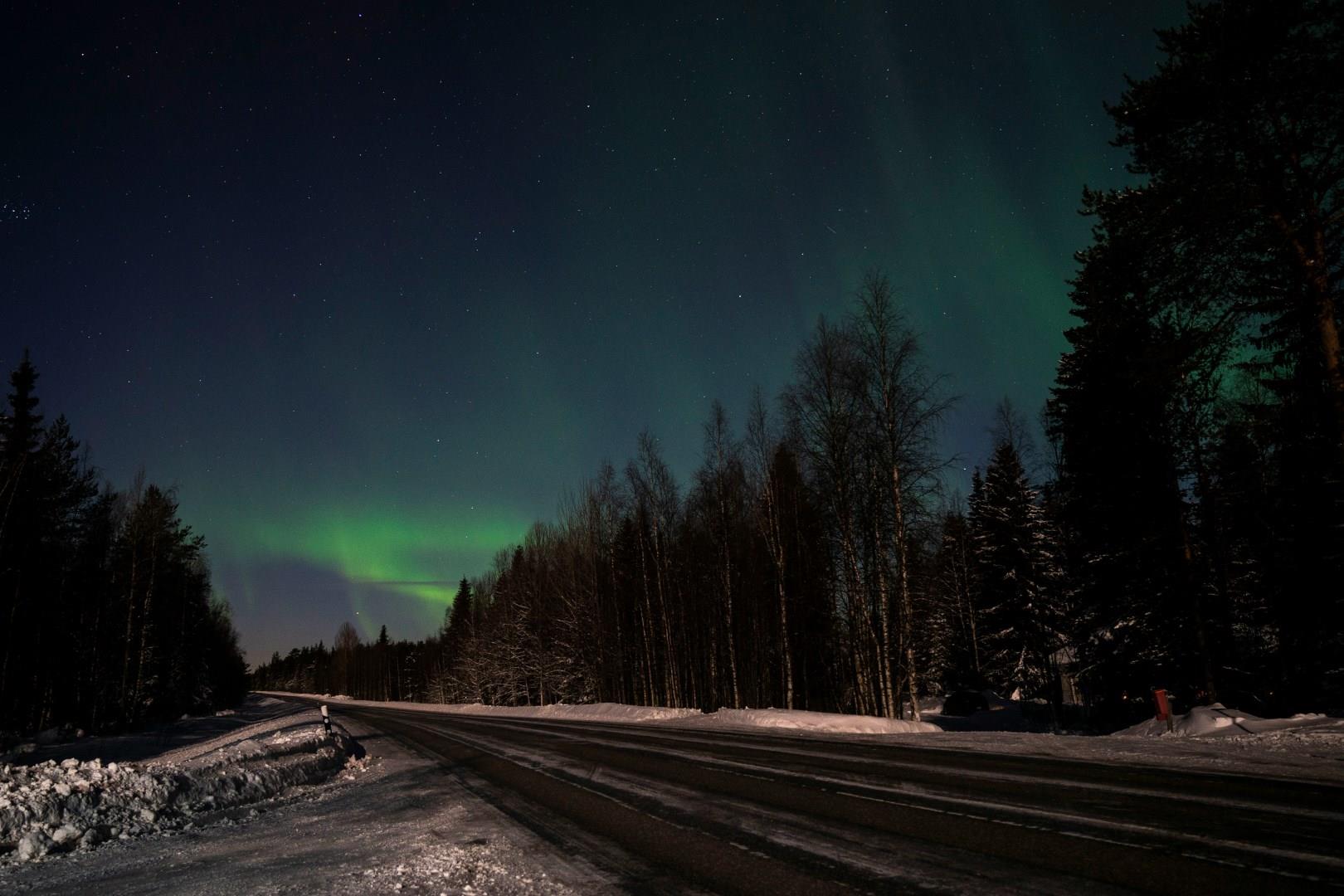
Rovaniemi, located just a few kilometers south of the Arctic Circle, is widely recognized as the official hometown of Santa Claus. From late August through early April, the Northern Lights are visible on clear nights, and several local guides offer nighttime tours to remote locations for optimal viewing. During summer, the sun doesn't set for weeks, giving travelers the rare chance to hike or kayak under a sky that stays bright at midnight.

Pula
Pula, a historic city located on the Istrian Peninsula in Croatia, is renowned for its impressive Roman heritage and vibrant cultural scene. The city's centerpiece is the Pula Arena, one of the best-preserved Roman amphitheaters in the world. This monumental structure, built in the 1st century AD, offers visitors a glimpse into ancient spectacles and gladiatorial contests. Today, it hosts various events, including concerts and film festivals.

Grožnjan
Nestled in the heart of Istria, the charming town of Grožnjan offers an enchanting escape into a world where history and art seamlessly blend. Often referred to as the "City of Artists," Grožnjan is renowned for its vibrant cultural scene and picturesque medieval architecture. As you wander through its narrow, cobbled streets, you'll encounter well-preserved stone houses, quaint squares, and an array of art galleries and studios showcasing the work of local artists.

Victoria Falls
Majestic Victoria Falls, a waterfall of gargantuan proportions, sits atop the Zambezi River in Zimbabwe. This cascading natural wonder is the main attraction for Victoria Falls National Park and the local town of Victoria Falls to its west
Cayenne
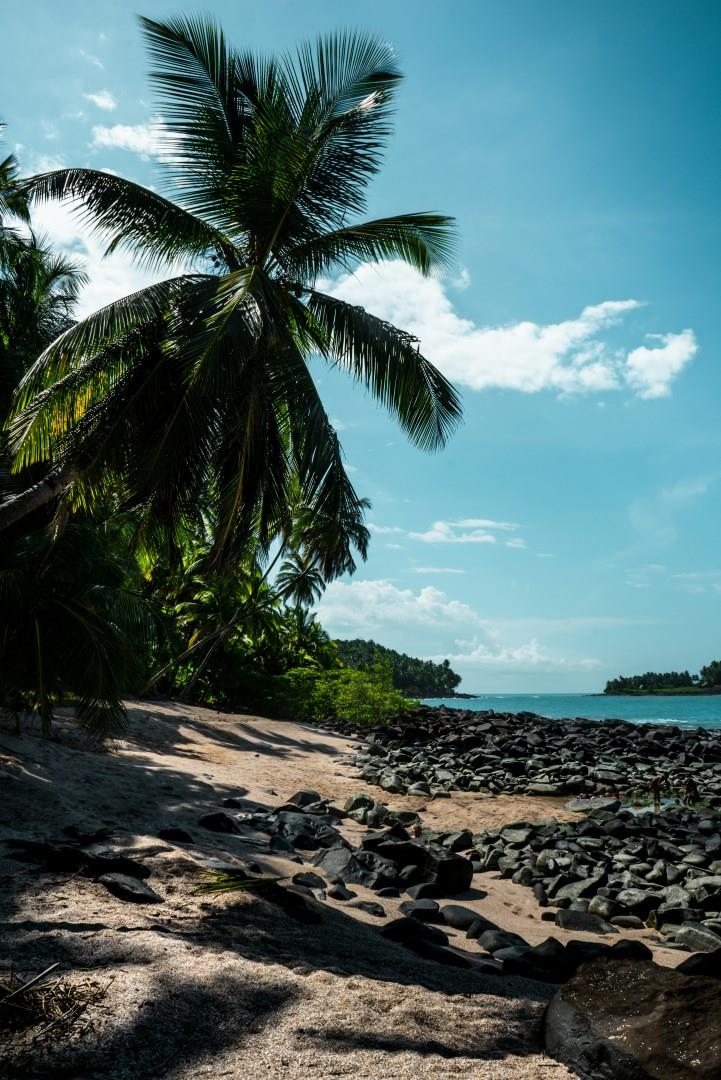
Cayenne, the lively capital of French Guiana, sits where the Cayenne River meets the Atlantic Ocean, blending South American rhythms with French-Caribbean influence. While it's officially part of France, Cayenne feels worlds away from Paris, with colorful markets, colonial architecture, and a language mix that includes French, Creole, Portuguese, and Indigenous dialects.