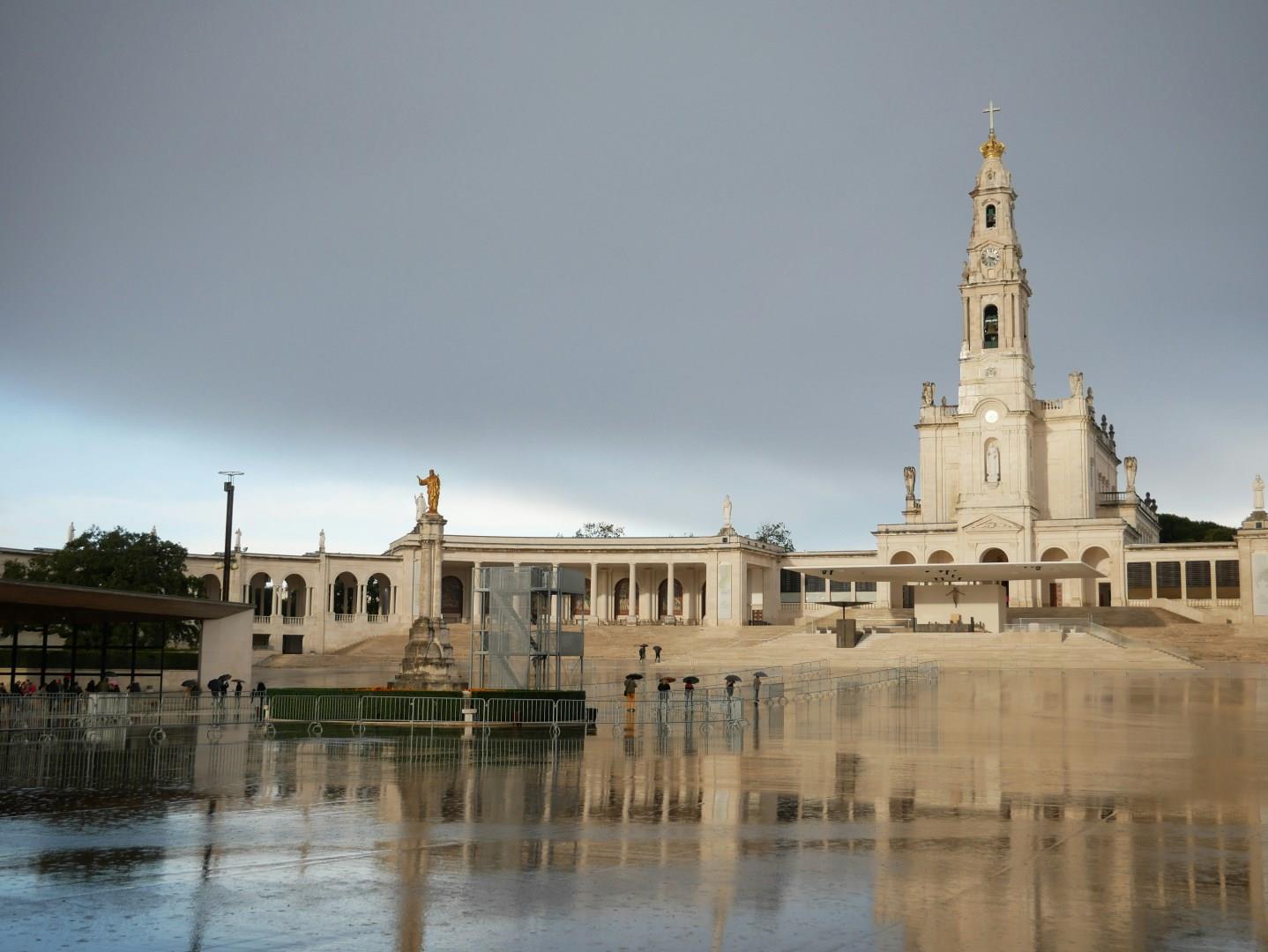
Osaka
Osaka is a city that thrives on contrasts with centuries-old castles sit just blocks from neon-lit arcades and high-speed trains. Once known as “Japan’s kitchen” during the Edo period, Osaka played a key role in rice trading and food distribution across the country. Today, visitors can walk the grounds of Osaka Castle, originally built in the 16th century by Toyotomi Hideyoshi, and take in panoramic city views from the top floor of its museum.

Sisimiut
Sisimiut, Greenland's second-largest city, offers a captivating glimpse into Arctic life and stunning natural beauty. Nestled on the shores of the Davis Strait, Sisimiut is renowned for its striking landscapes and rich cultural heritage.
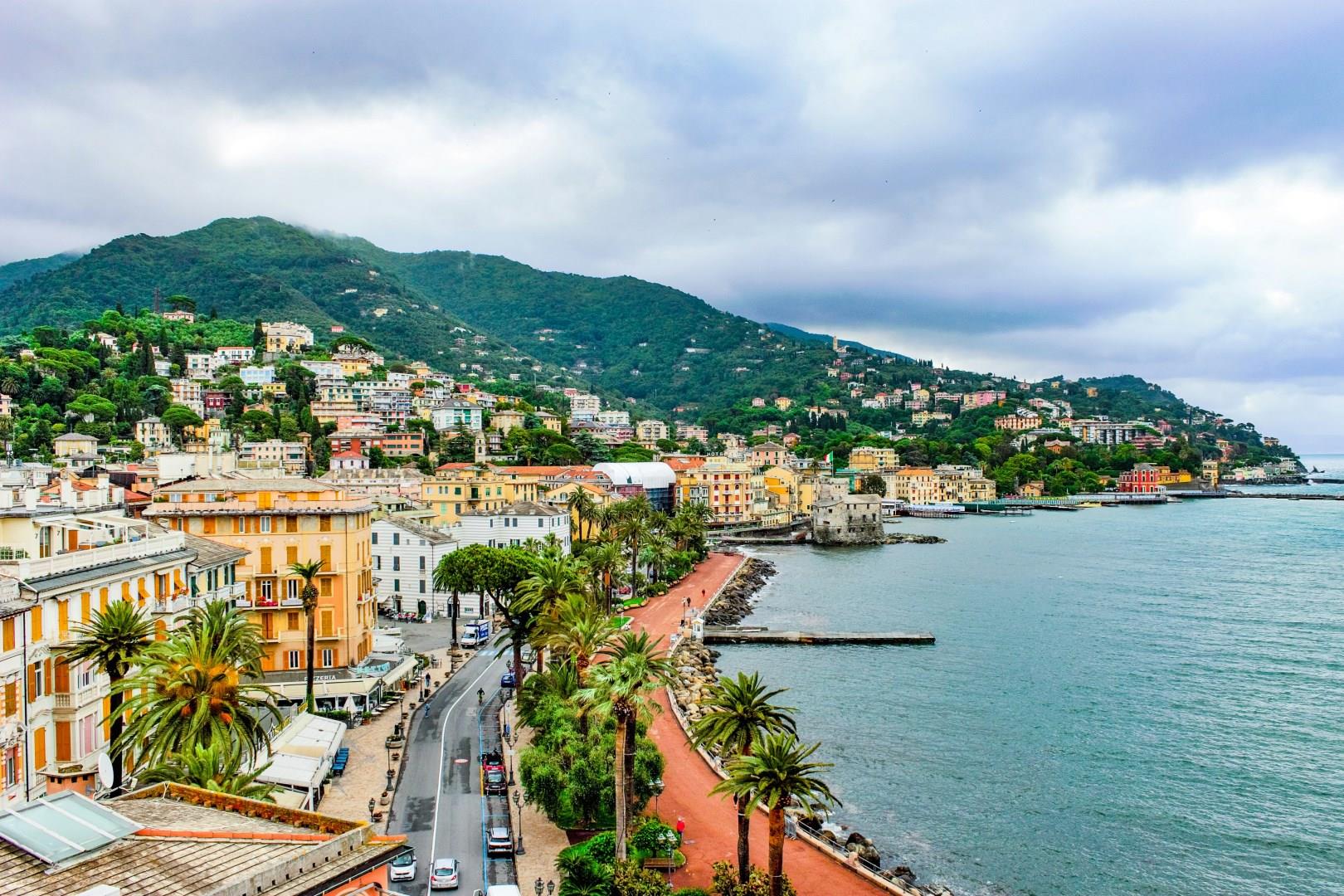
Rapallo
Rapallo, set along Italy’s Ligurian coast between Portofino and Chiavari, is a seaside town that combines history, elegance, and Riviera charm.
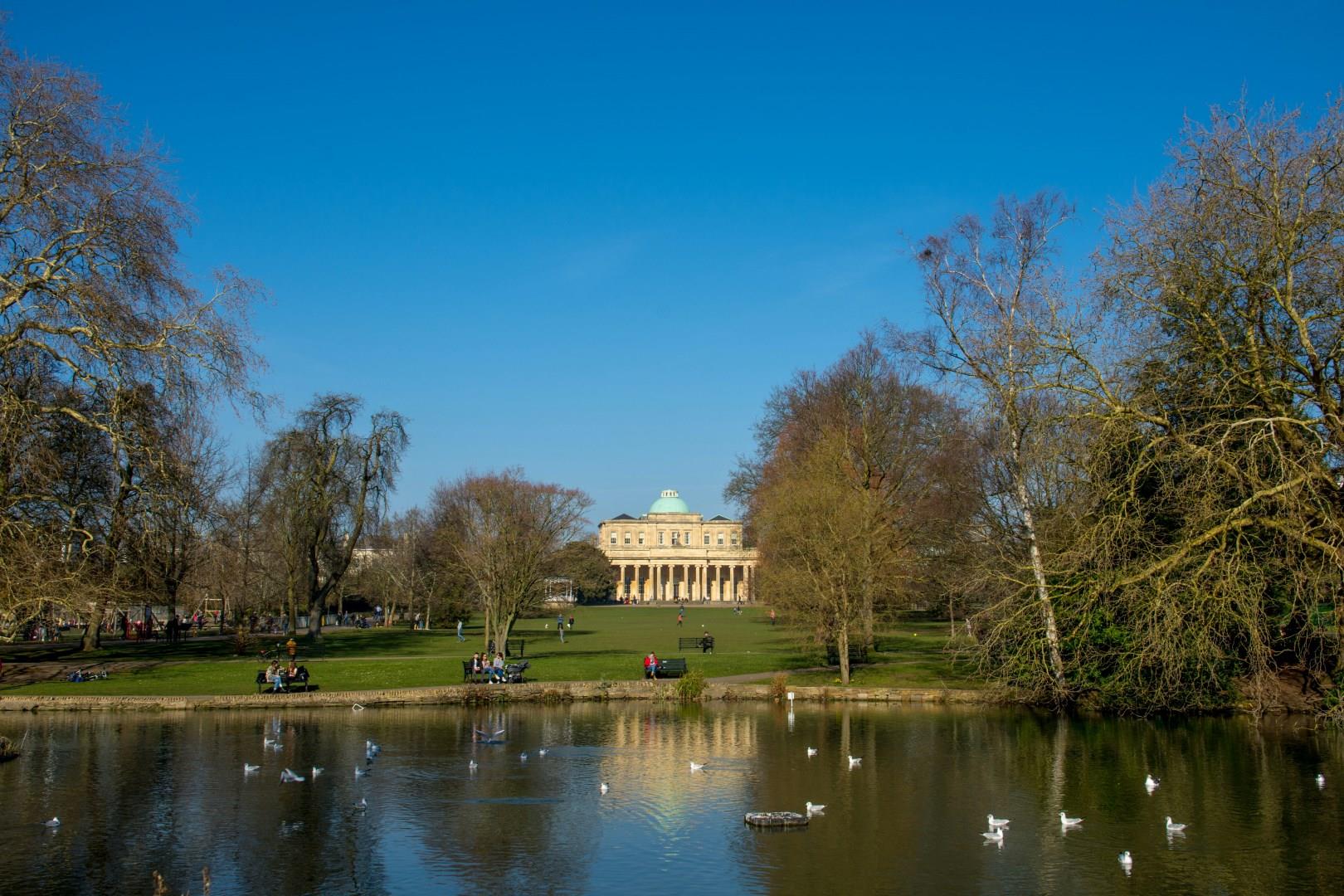
Cheltenham
Cheltenham is a Regency-era spa town in Gloucestershire known for its elegant streets, welcoming squares and an inviting pace of life that has drawn visitors since the 1700s. The town pulses with festivals through the year, giving travelers reason to return again and again. Cheltenham Literature Festival, the longest-running festival of its kind in the world, brings writers and readers together each autumn for talks, readings and book signings that span many genres.

Budapest
The capital and largest city in Hungary, Budapest is a favorite European destination for millions of tourists each year. Once the center of the Austro-Hungarian Empire, this cosmopolitan city and UNESCO World Heritage site has plenty of historical and cultural landmarks to explore.