Perched on the northern shore of Lake Geneva, Lausanne is a city that blends centuries of history with a strong cultural identity. It served as a Roman military camp called Lousanna before evolving into a key medieval settlement. Today, visitors can still climb the tower of Lausanne Cathedral, widely regarded as the most impressive Gothic structure in Switzerland. From the top, the view stretches over the rooftops of the Old Town to the vineyards of Lavaux and across the lake to the French Alps.
Saipan, the largest of the Northern Mariana Islands, offers a rare combination of deep historical roots, island traditions, and dramatic landscapes. Located in the western Pacific, this U.S. territory was once the site of one of the most pivotal battles in the Pacific during World War II. Visitors today can explore the remains of bunkers, tanks, and hidden caves at sites like Suicide Cliff, Last Command Post, and the American Memorial Park.
Étretat, a small coastal town in Normandy, France, is celebrated for its dramatic white chalk cliffs and natural rock arches that rise strikingly above the English Channel.
ABERDEEN -- Scotland's third-largest city (pop. 187,000) is characterized by buildings of beautiful white granite. Set beside the North Sea, Aberdeen is both a university town and the capital of the Scottish oil boom. It is also one of Scotland's largest seaside resorts (though its appeal is confined to those who like their water well-chilled).
Negombo, located just north of Colombo and minutes from Sri Lanka’s main international airport, offers a coastal town experience steeped in layered history and local life. Once a vital trading post for cinnamon during the colonial era, Negombo has seen Portuguese, Dutch, and British influence with each leaving a mark on its architecture and culture. The Dutch-era canal system, still used by fishermen and local vendors today, runs through parts of the town and can be explored by boat or bicycle.
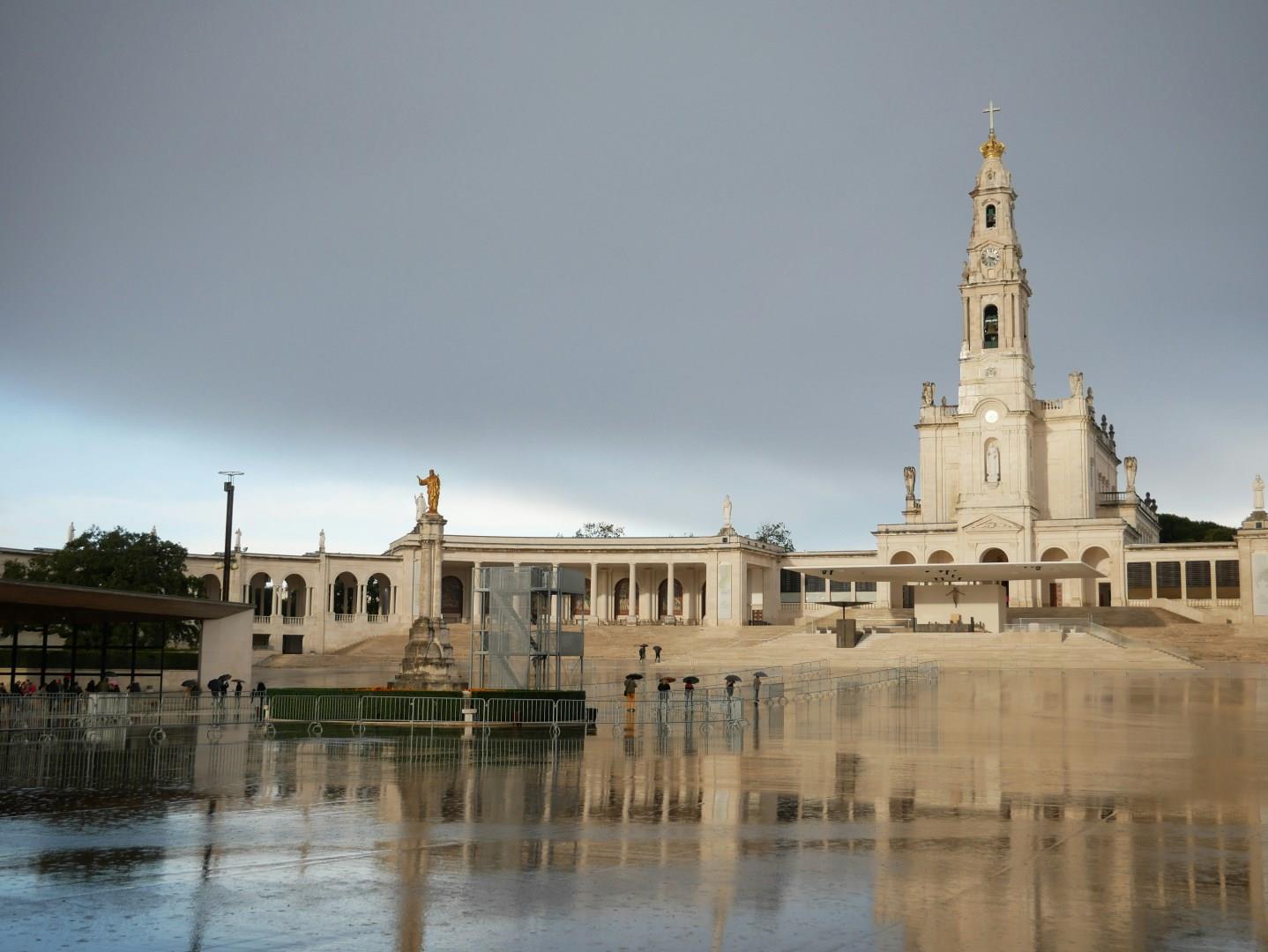
Fátima, a small town in central Portugal, has become one of the most significant pilgrimage sites in the world, drawing millions of visitors annually. The Sanctuary of Fátima, a sprawling complex of religious buildings and monuments, stands at the heart of the town. Pilgrims from all over the globe come to light candles, attend mass, and walk the sacred paths in reverence.
Beyond its religious significance, Fátima also offers cultural and historical insights. The nearby village of Aljustrel, the birthplace of the three children, provides a glimpse into rural Portuguese life in the early 20th century. Visitors can explore the humble homes of the seers and learn about their lives before and after the apparitions. Additionally, Fátima’s Museum of Sacred Art and Ethnology showcases a collection of religious artifacts, paintings, and ethnographic items, adding depth to the town's spiritual heritage.
Each year on May 13 and October 13, the anniversaries of the first and last apparitions, Fátima hosts grand candlelight processions. These events, filled with prayer and song, are among the most attended religious gatherings in the world, creating a profound and unforgettable experience for those who partake.