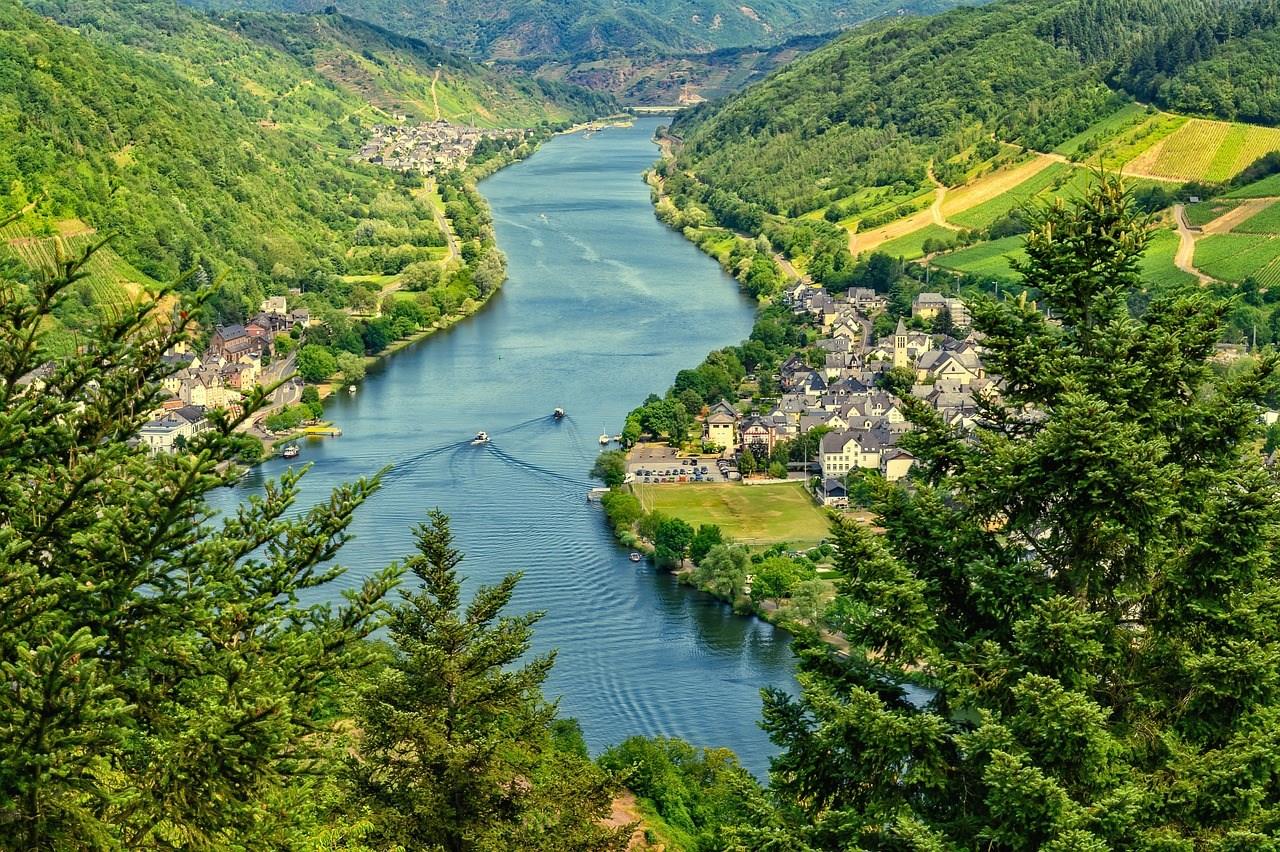
A tributary of the Rhine, the Moselle River flows through France, Luxembourg and Germany. The Moselle also lends its name to a region of France, a valley which it bisects, and a wine produced along its banks.
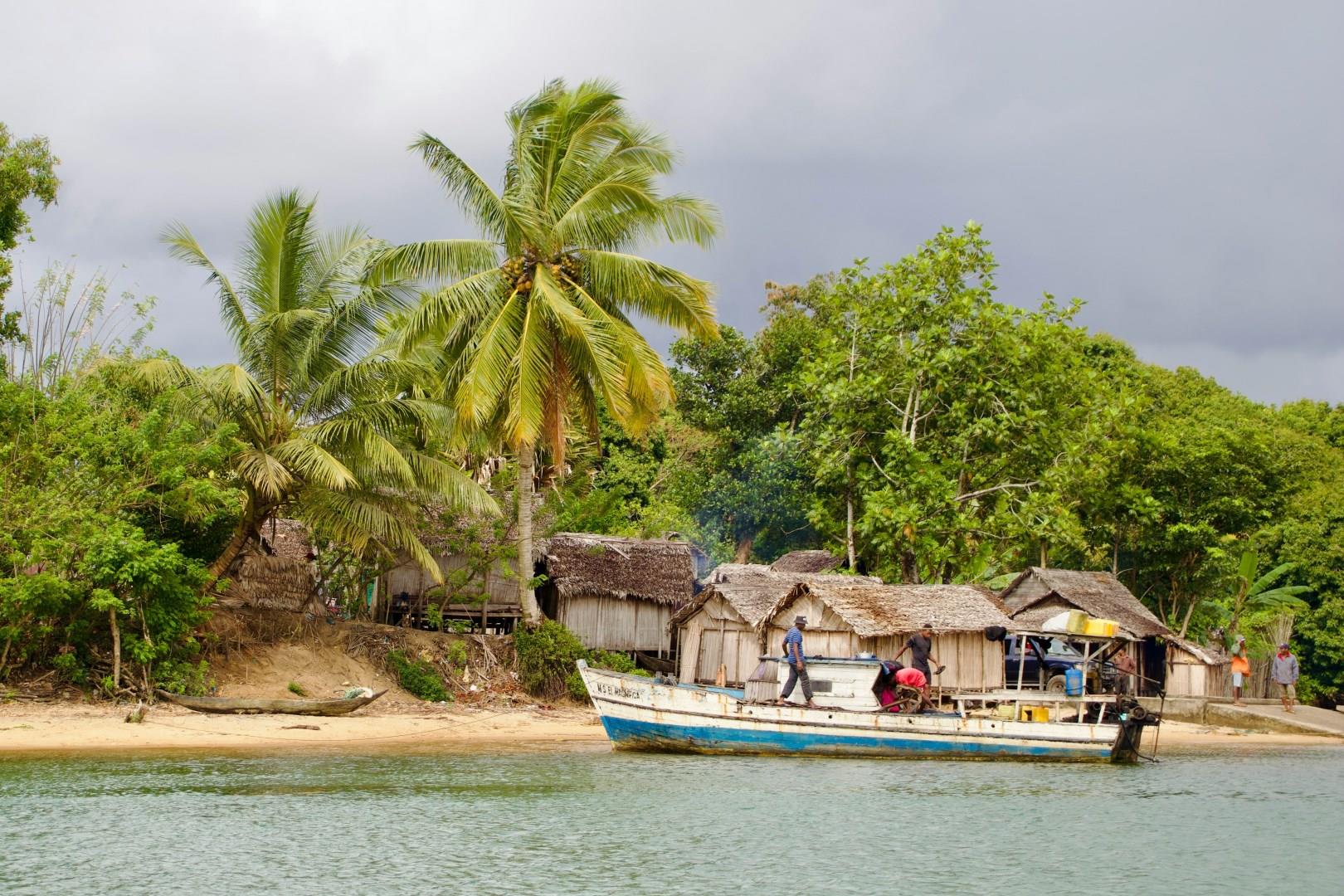
Manompana is a small coastal town in northeastern Madagascar, located in the Analanjirofo Region along the Indian Ocean. The town sits at a low elevation and enjoys a tropical rainforest climate, with warm temperatures and abundant rainfall throughout the year.
Olomouc, a captivating city in the Czech Republic, offers a blend of historical charm and vibrant culture. The city’s centerpiece is the Holy Trinity Column, a UNESCO World Heritage Site and a stunning example of Baroque architecture. Erected in the 18th century to commemorate the end of the plague, this intricate monument features elaborate sculptures and exquisite details that make it a must-see source.
Santarém is a city in central Brazil, located where the Tapajós River meets the Amazon. Its position at this confluence has made it a hub of riverine trade and cultural exchange for centuries, blending Indigenous traditions with Portuguese colonial influence.
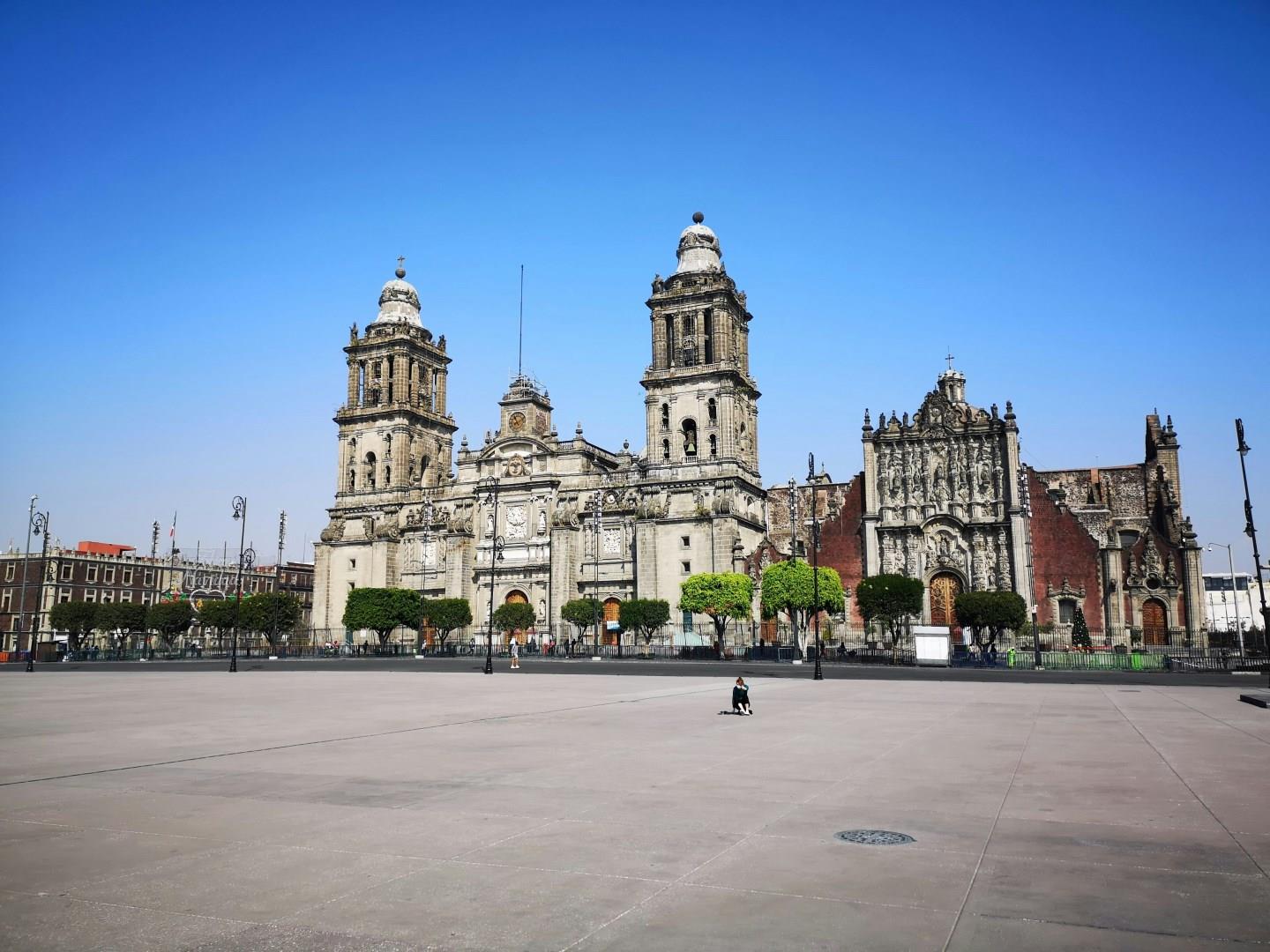
Mexico City sits on the high plateau of central Mexico, layered with more than seven centuries of history and culture. Built atop the ruins of the Aztec capital Tenochtitlán, the city reflects a continuous dialogue between Indigenous foundations, Spanish colonial influence, and modern urban life.
Nestled in the heart of Romania, Brașov is a charming city that effortlessly blends medieval history with stunning natural beauty. Encircled by the Carpathian Mountains, Brașov's well-preserved medieval architecture and vibrant cultural scene make it a must-visit destination. The centerpiece of the city is the stunning Black Church, a Gothic marvel that dates back to the 14th century. This iconic landmark, known for its massive blackened walls, is the largest Gothic church in Eastern Europe and houses an impressive collection of 4,000 volumes of the Protestant Reformation.
The city's Old Town, with its cobbled streets and colorful buildings, exudes a fairytale charm. Stroll through Piața Sfatului, the main square, where you can admire the historical Council House and the vibrant street life. Brașov’s medieval fortifications, including the impressive city walls and the Tampa Fortress, offer panoramic views of the city and the surrounding landscapes. For a taste of local history and culture, the Brașov History Museum, housed in the former Council House, provides a fascinating insight into the city's past.
Nature enthusiasts will find plenty to explore in Brașov’s surrounding landscapes. The nearby Piatra Craiului National Park offers exceptional hiking trails, while the scenic Poiana Brașov resort is perfect for skiing and mountain activities year-round. The nearby Dracula’s Castle, or Bran Castle, is a short drive away and is a popular attraction steeped in legend and myth.
Fun Fact: Brașov is home to one of the narrowest streets in Europe, Strada Sforii. Measuring just 1.2 meters wide, it’s a delightful curiosity and a perfect spot for a memorable photo.