

Verona
Verona is situated at a bend of the Adige River in northern Italy. It is hard to imagine that antique arts, monuments that date back to Roman times, and the shadows of the world's most famous tragic lovers can add up to a smiling, buzzing city. Yet they do, thanks perhaps to Verona's talent for melding her past and her present, her ancient and new so gracefully that everything blends in easy harmony.
Gotland
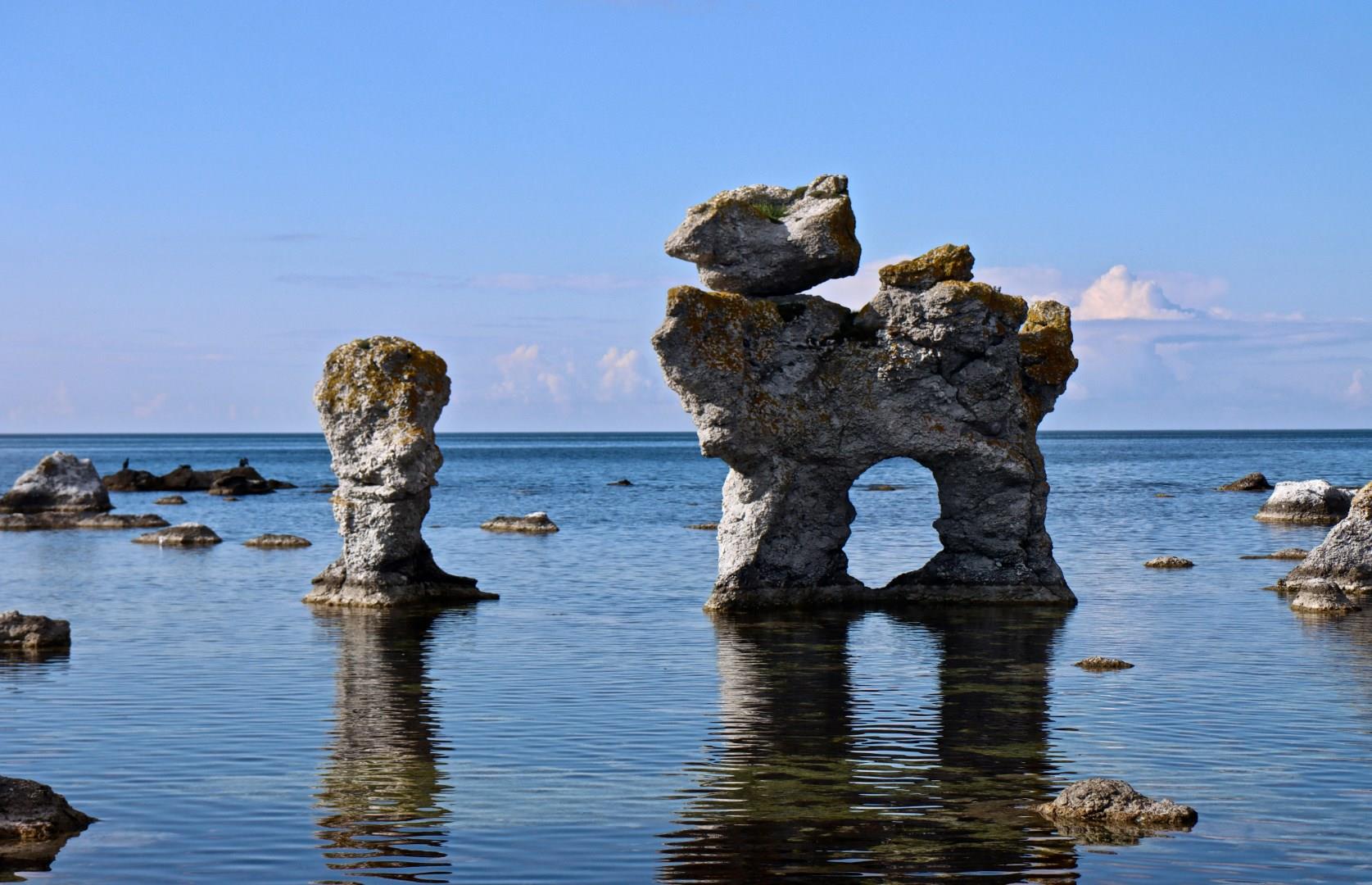
Gotland, Sweden’s largest island, sits in the Baltic Sea and feels like a world of its own. Its main town, Visby, is a UNESCO World Heritage site and one of the best-preserved medieval towns in Northern Europe. Surrounded by a 3.5-kilometer stone wall with original towers still intact, Visby once served as a key Hanseatic trading hub. Visitors can walk along cobbled streets lined with rose-covered cottages, explore Gothic church ruins, and climb up the city wall for views over the harbor.
Custer State Park
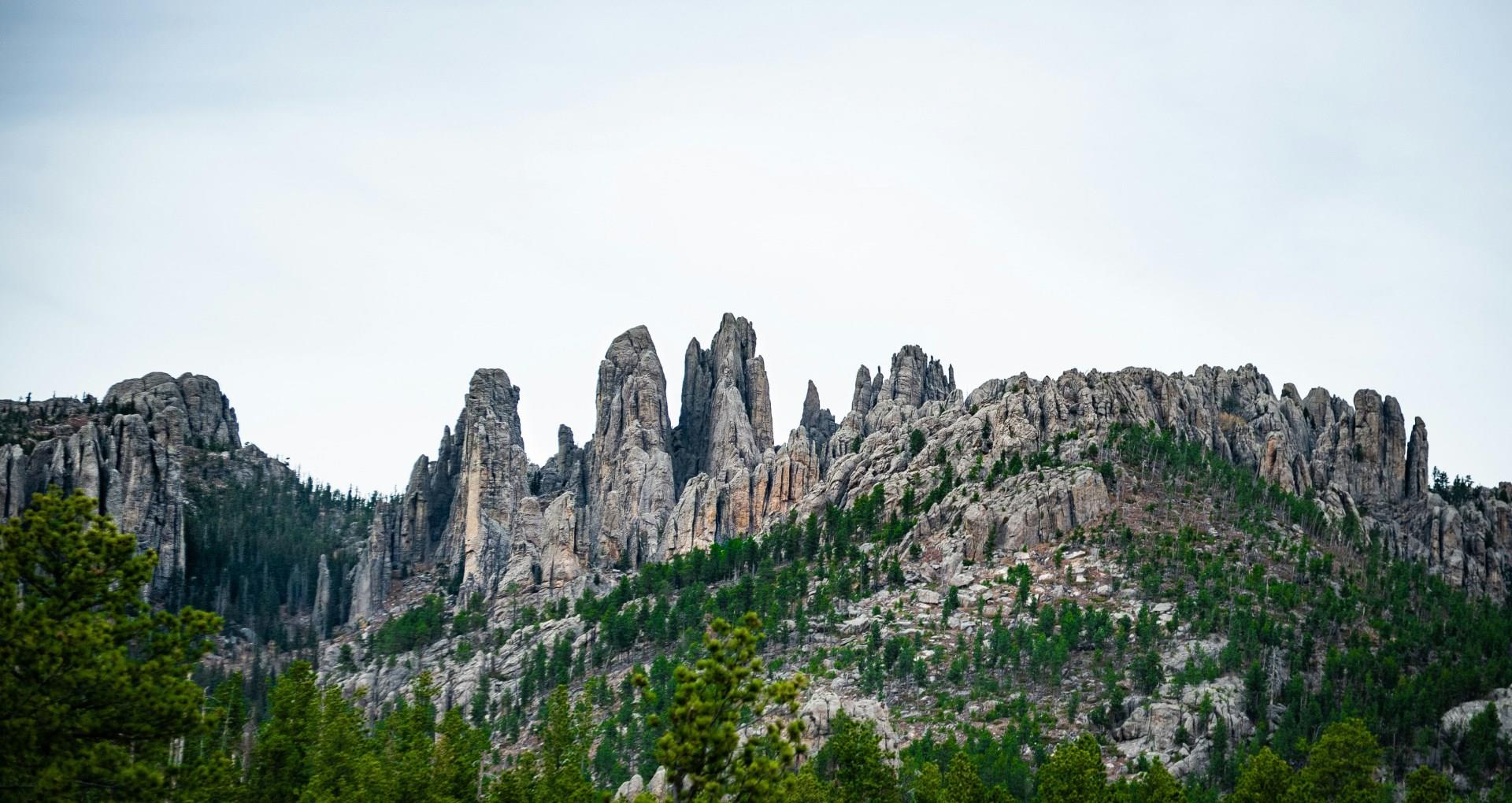
Custer State Park, nestled in the Black Hills of South Dakota, offers a tapestry of natural beauty and wildlife. Known for its scenic drives and outdoor activities, the park is a haven for nature enthusiasts and adventure seekers alike. One of its most famous routes, the Needles Highway, weaves through towering granite spires and narrow tunnels, providing breathtaking vistas of the rugged terrain.
Baffin Island
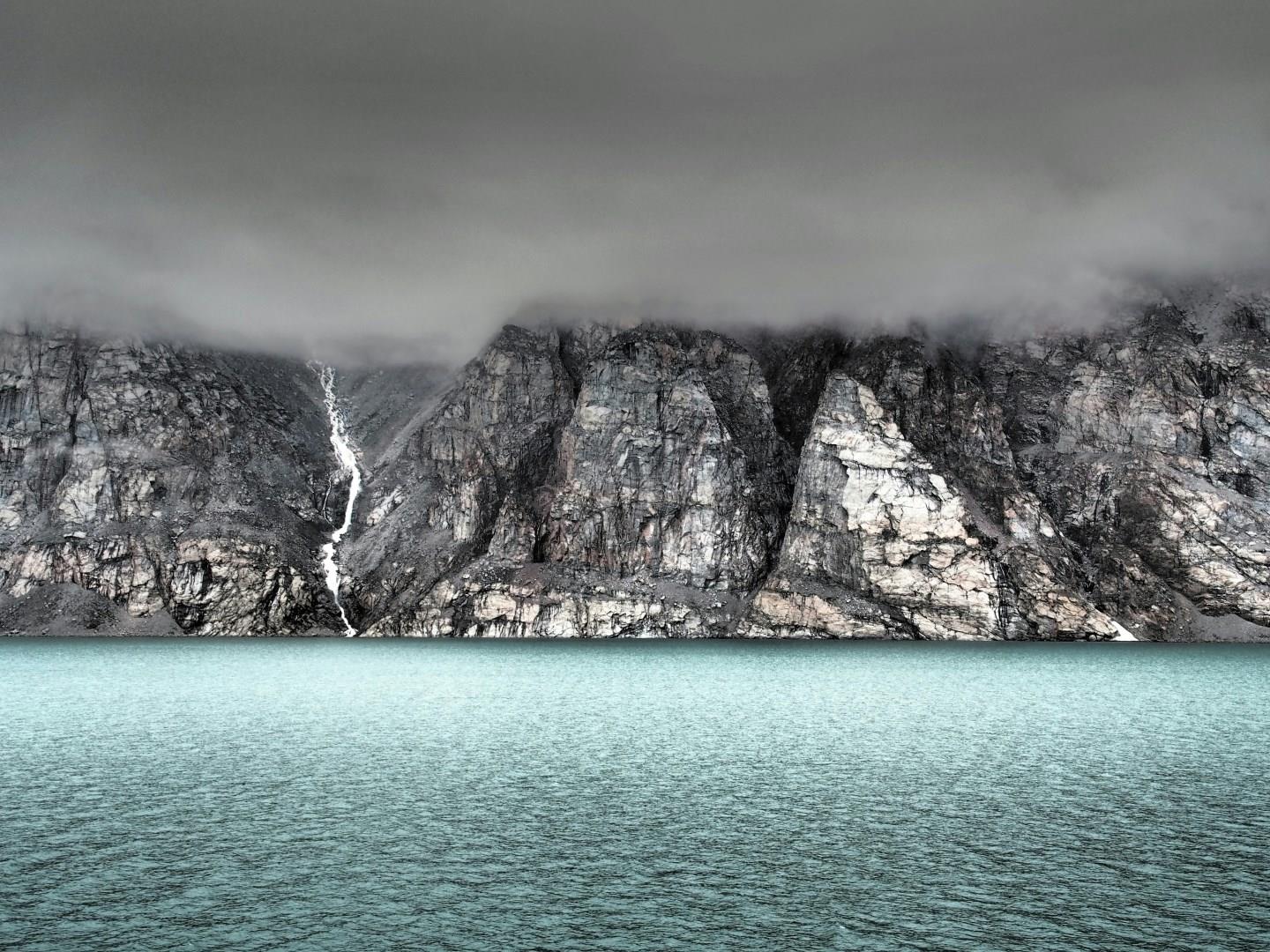
Baffin Island is Canada’s largest island and one of the Arctic’s most imposing landscapes, shaped by ice, migration, and long human presence. Inuit communities have lived here for thousands of years, developing deep connections to sea ice, wildlife, and seasonal movement.
Armenia
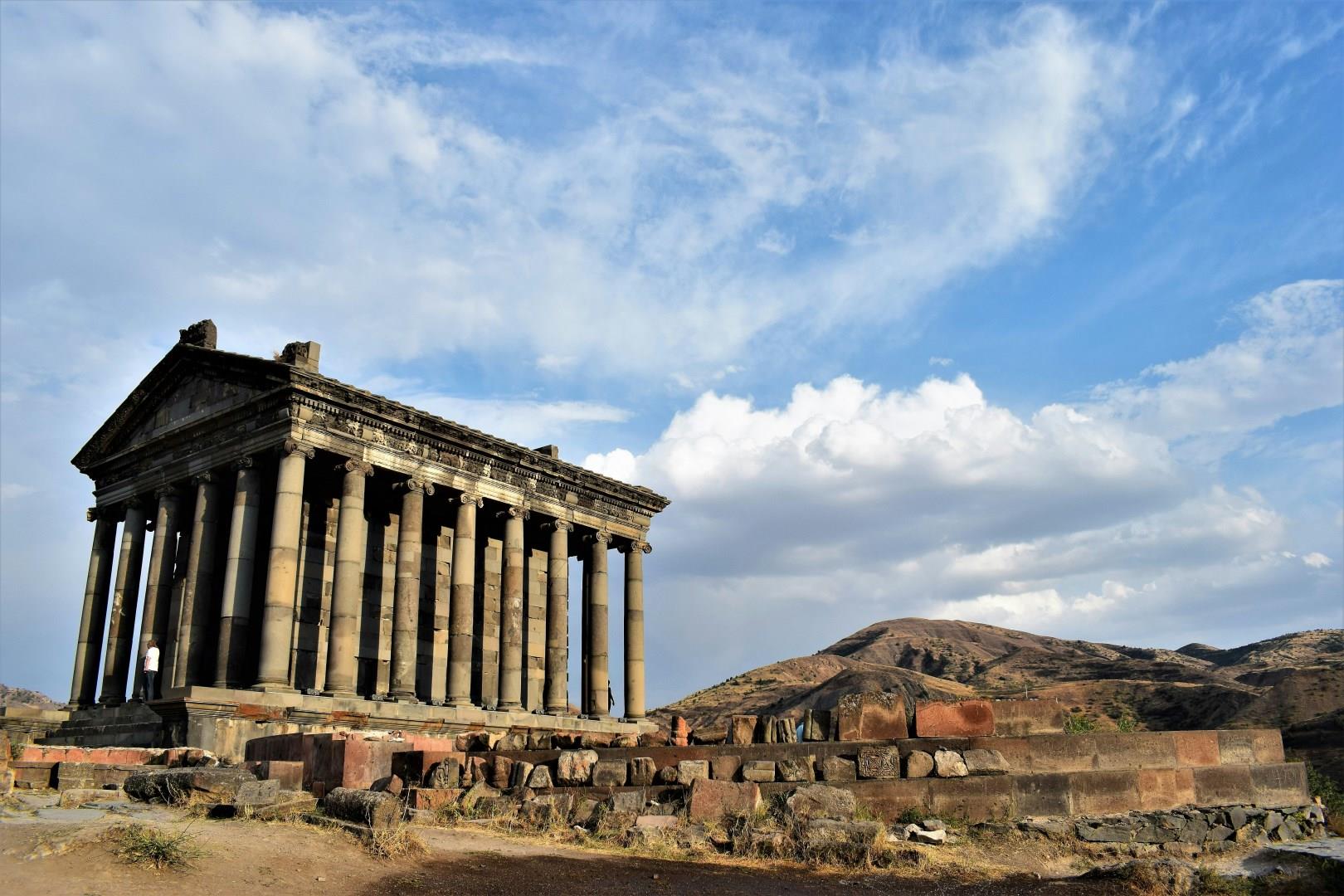
Armenia, set at the crossroads of Europe and Asia, is a country rich in history and breathtaking landscapes. Known as one of the world’s oldest nations, it offers travelers a glimpse into ancient traditions that remain alive today. The dramatic scenery ranges from high mountains and deep gorges to serene lakes, creating endless opportunities for exploration.


