
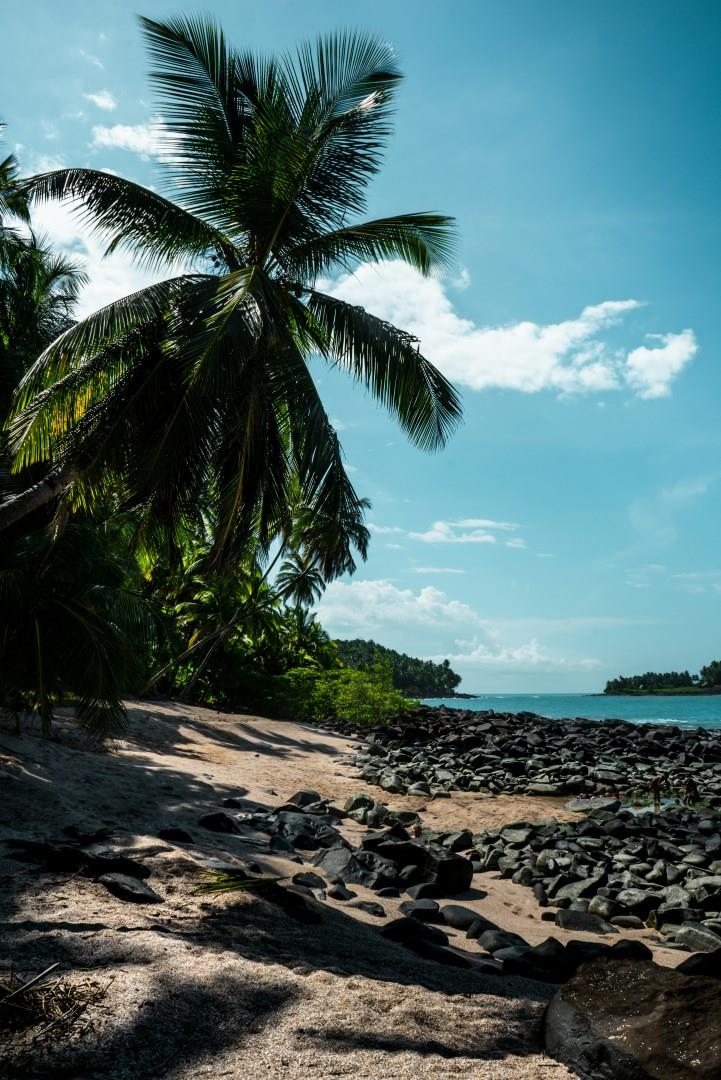
Cayenne
Cayenne, the lively capital of French Guiana, sits where the Cayenne River meets the Atlantic Ocean, blending South American rhythms with French-Caribbean influence. While it's officially part of France, Cayenne feels worlds away from Paris, with colorful markets, colonial architecture, and a language mix that includes French, Creole, Portuguese, and Indigenous dialects.
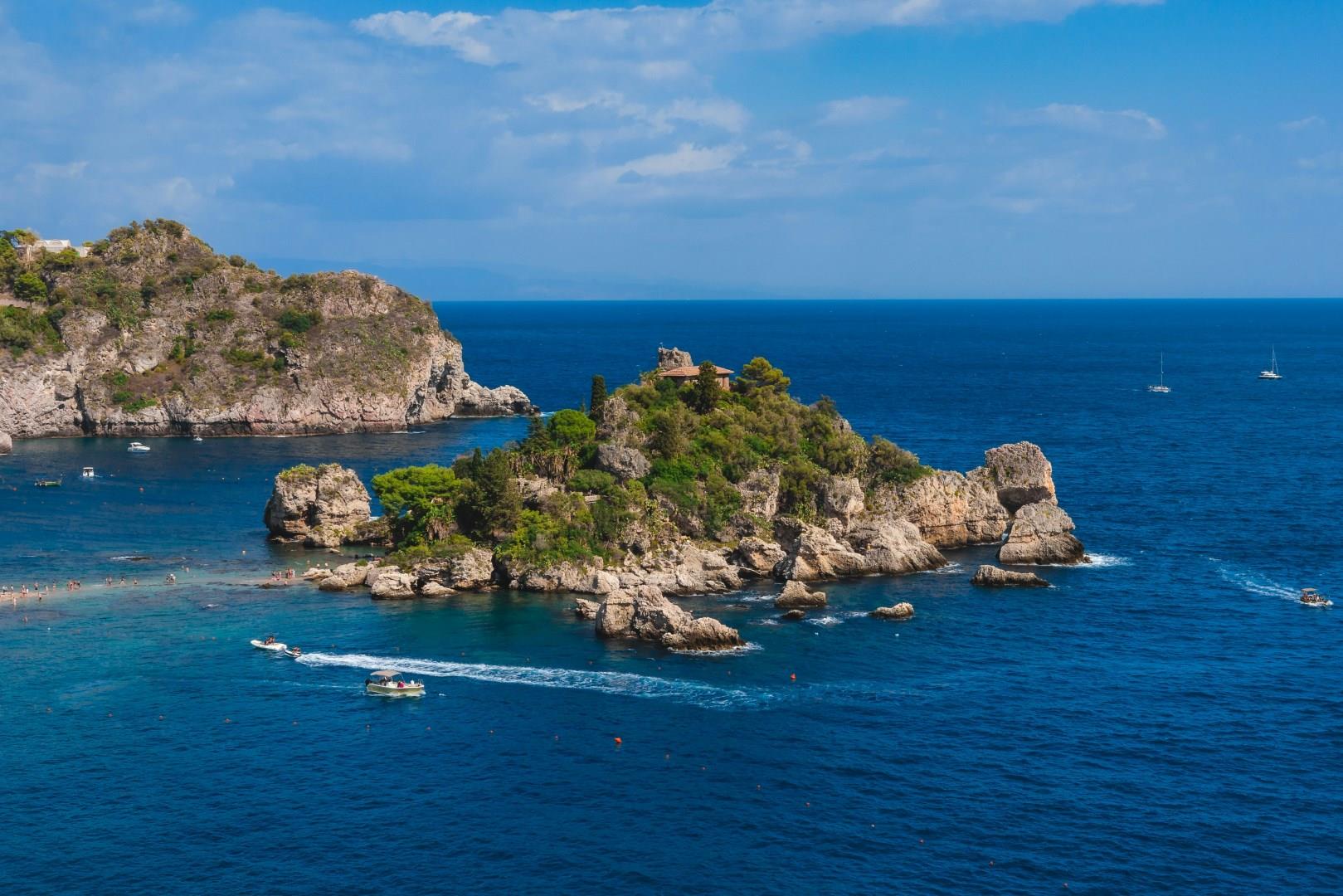
Isola Bella
Isola Bella sits on Lake Maggiore as part of the Borromean Islands, closely tied to the ambitions of the Borromeo family who reshaped the rocky outcrop in the 17th century.

Vis
Vis, a charming island city in Croatia's Dalmatian region, offers a serene retreat with its blend of historical allure and natural beauty. Known for its historical significance, Vis boasts remnants of its Greek and Roman past, including the well-preserved fortifications and ancient ruins. The city itself is a captivating blend of Venetian and Austro-Hungarian architecture, with quaint streets and lovely waterfronts that invite leisurely exploration.
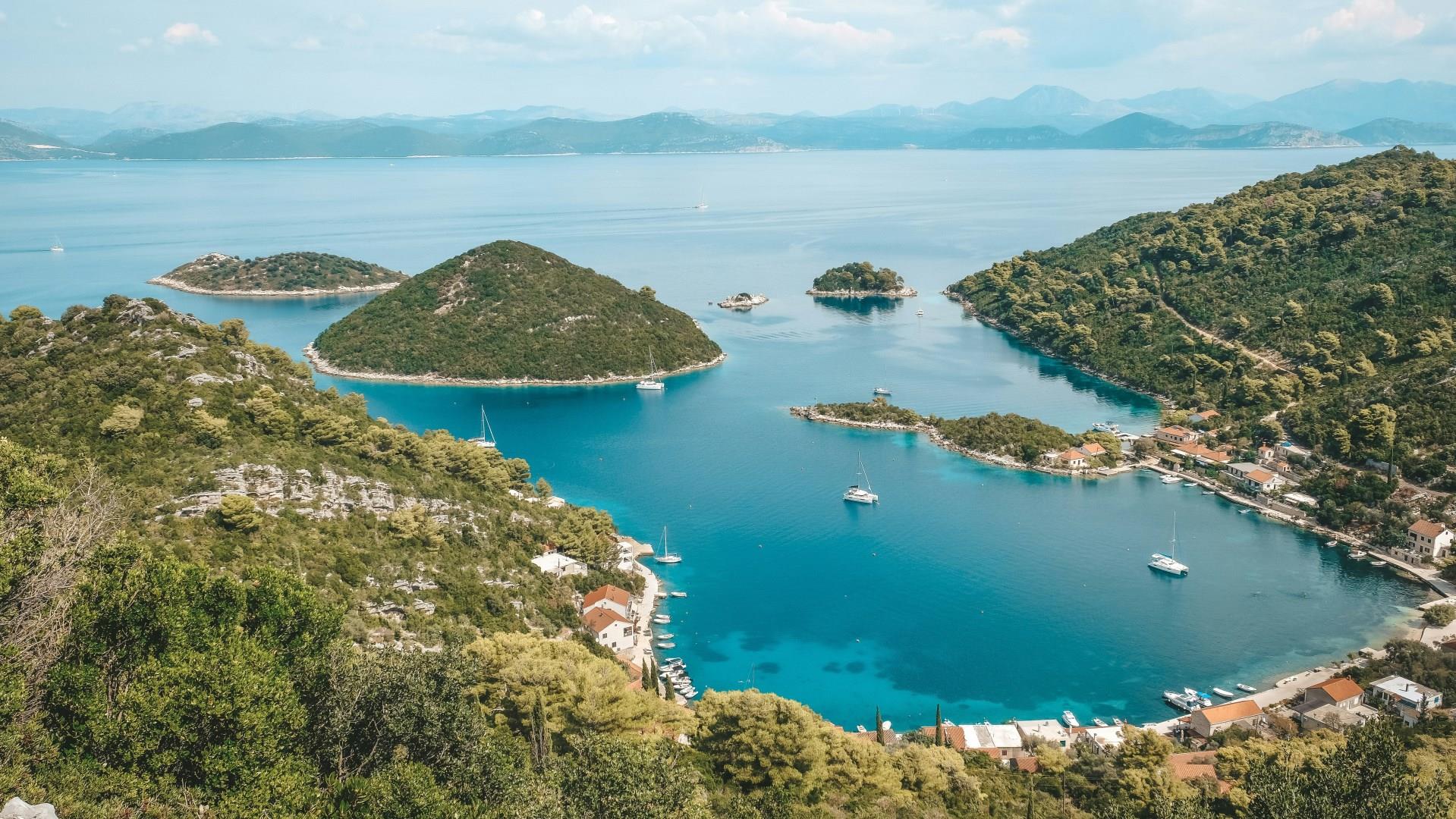
Mljet National Park
Mljet National Park sits on the western side of Mljet Island in Croatia’s Adriatic Sea, a place where saltwater lakes meet ancient forest pathways. The park stretches across nearly one-third of the island, with Veliko Jezero (Great Lake) and Malo Jezero (Small Lake) as their most striking features. These two saltwater lakes are connected by a narrow channel to the open sea, creating calm blue waters that draw visitors for swims, casual kayak outings, or peaceful cycles around the shaded paths.
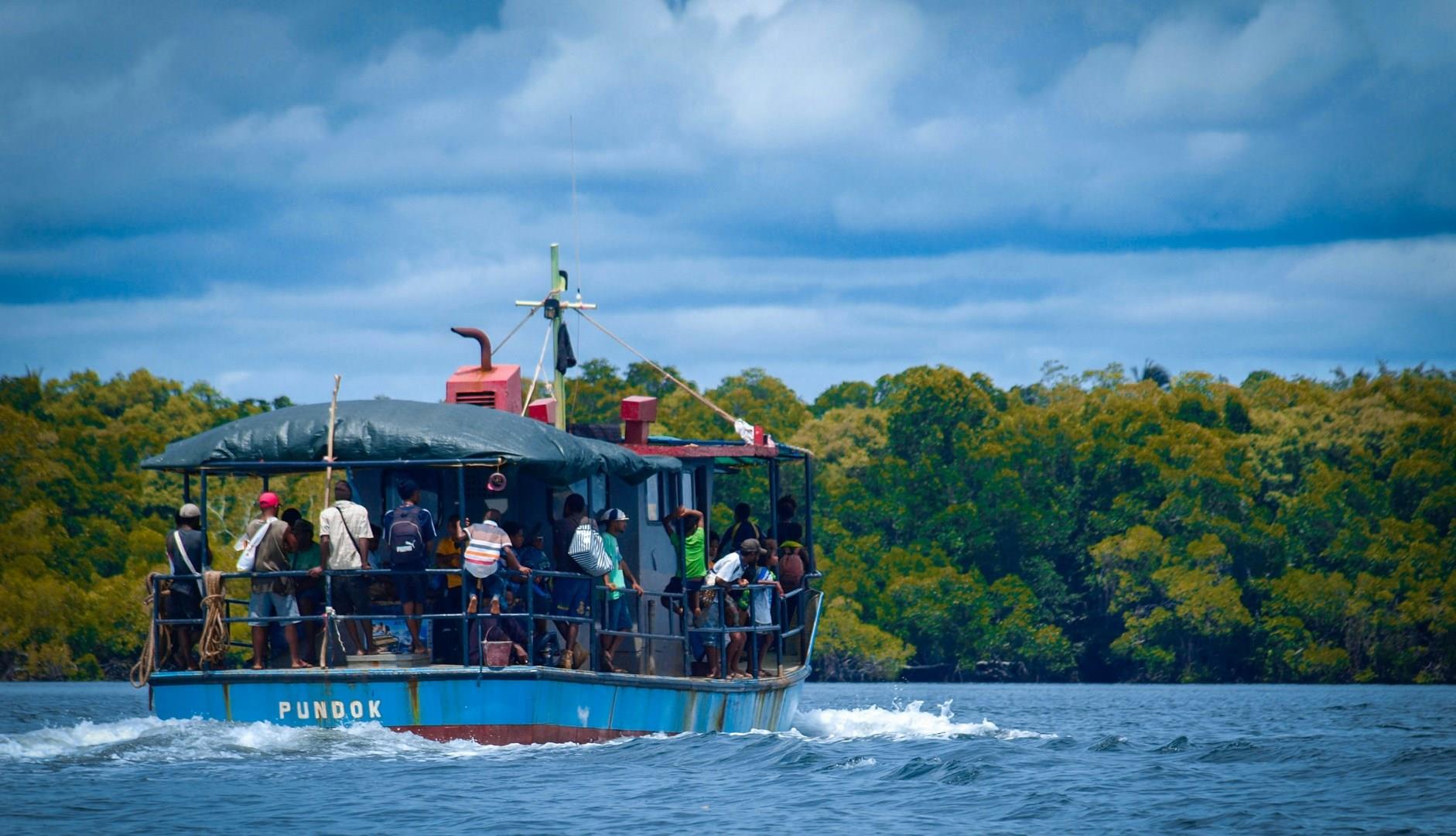
Madang Papua
Madang, perched on the edge of Astrolabe Bay, feels like a well-kept secret of Papua New Guinea that’s framed by lush jungles and dotted with volcanic isles. Every June, Madang pulses with energy at the annual Madang Festival. Villages from across the province gather for ceremonies where dancers don feathered costumes, shells, and body paint. The beat of kundu drums rises through the air and stories woven in movement.


