Giza
Giza, Egypt, is a destination that embodies the mysteries and grandeur of ancient civilization, drawing millions of visitors every year to marvel at its iconic monuments. At the heart of Giza stands the Giza Plateau, home to the legendary Pyramids of Giza — the Great Pyramid of Khufu, the Pyramid of Khafre, and the Pyramid of Menkaure.
Charlottesville
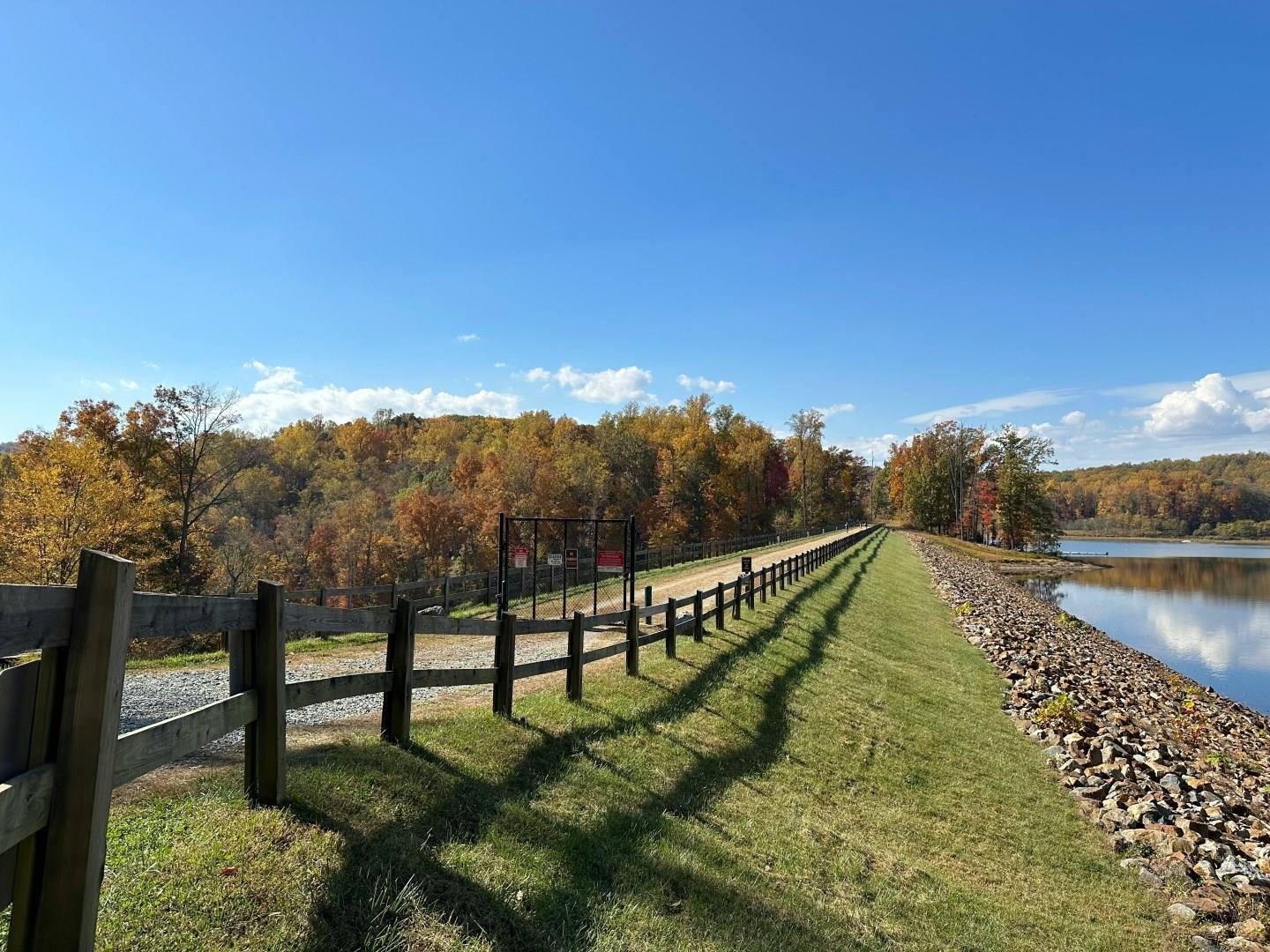
Charlottesville, Virginia is a small city with deep roots and a lively sense of place. It's home to the University of Virginia, founded by Thomas Jefferson in 1819 and now recognized as a UNESCO World Heritage Site alongside Jefferson’s Monticello estate. Both sites are working institutions where architecture, education, and ongoing dialogue shape how visitors experience the past.

Eidfjord
Eidfjord is a gateway to Norway's Hardangervidda National Park, providing access to vast plateaus and diverse wildlife.

Pula
Pula, a historic city located on the Istrian Peninsula in Croatia, is renowned for its impressive Roman heritage and vibrant cultural scene. The city's centerpiece is the Pula Arena, one of the best-preserved Roman amphitheaters in the world. This monumental structure, built in the 1st century AD, offers visitors a glimpse into ancient spectacles and gladiatorial contests. Today, it hosts various events, including concerts and film festivals.
Fitzroy Island
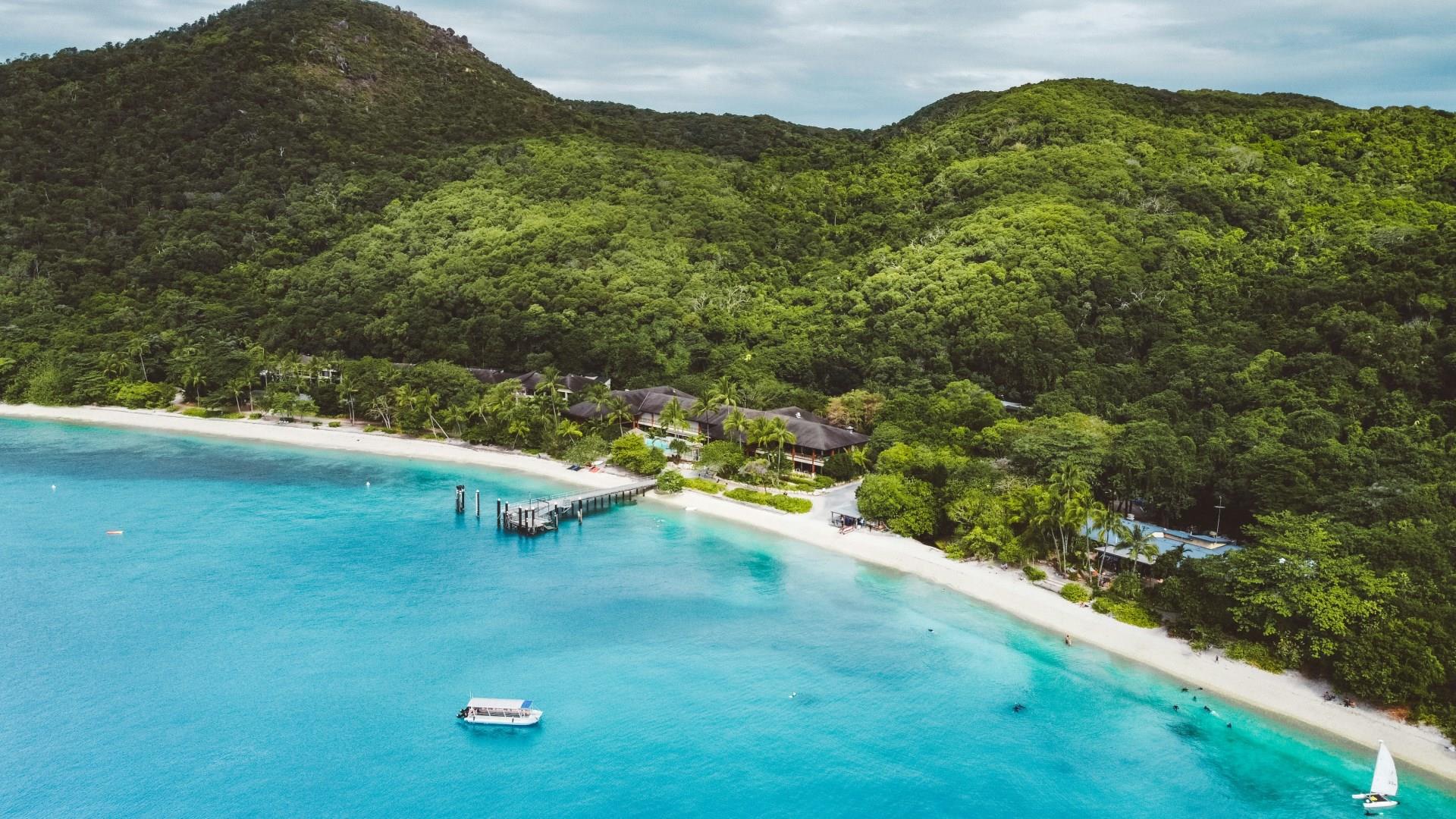
Fitzroy Island sits off the coast from Cairns in Queensland, Australia, rising from the Coral Sea with rainforest and beaches that draw visitors year-round. A short, scenic ferry ride from Cairns’ marlin marina brings visitors to this tropical island, part of the Fitzroy Island National Park where rainforest meets reef.