

Ceske Budejovice
Ceske Budejovice, the vibrant capital of the South Bohemian Region in the Czech Republic, is a city rich in history and culture. Its most famous landmark is the magnificent Black Tower, offering panoramic views of the city and the surrounding countryside. This 72-meter-tall Gothic tower, completed in the 16th century, is a prime example of the city's architectural heritage source.
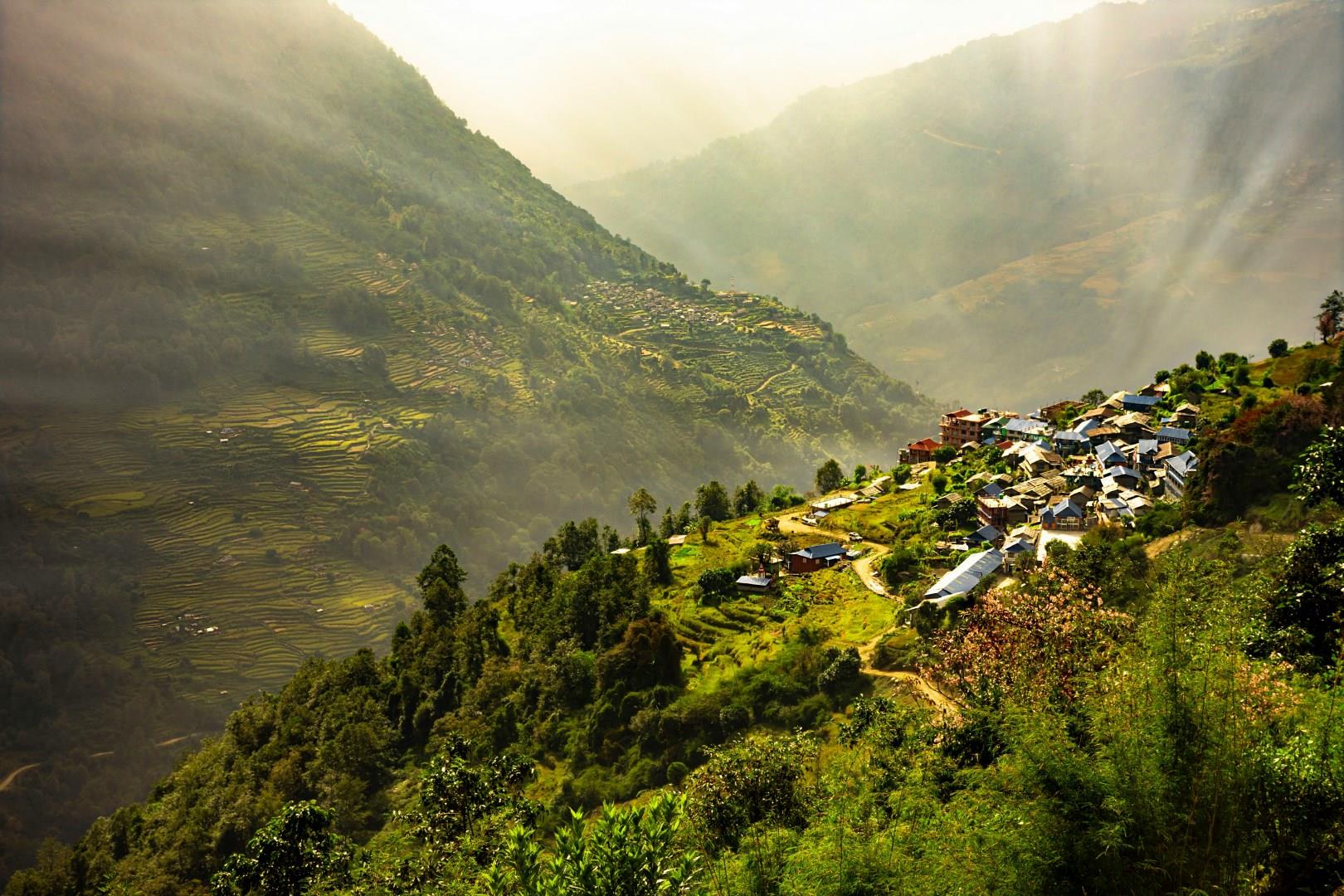
Ulleri
Ulleri is a small village in Nepal, located in the Annapurna region along the popular trekking route to Ghorepani and Poon Hill. It has traditionally served as a resting point for trekkers and local traders, with stone-paved streets and terraced fields reflecting centuries of Himalayan agricultural life.

Berlin
Berlin has an undeniable history. The horrors of World War II, division, reunification, revolution all profoundly impacted the city in the 20th century. Today, visitors will find a sophisticated, high-energy city with endless cultural, architectural and gastronomic attractions.
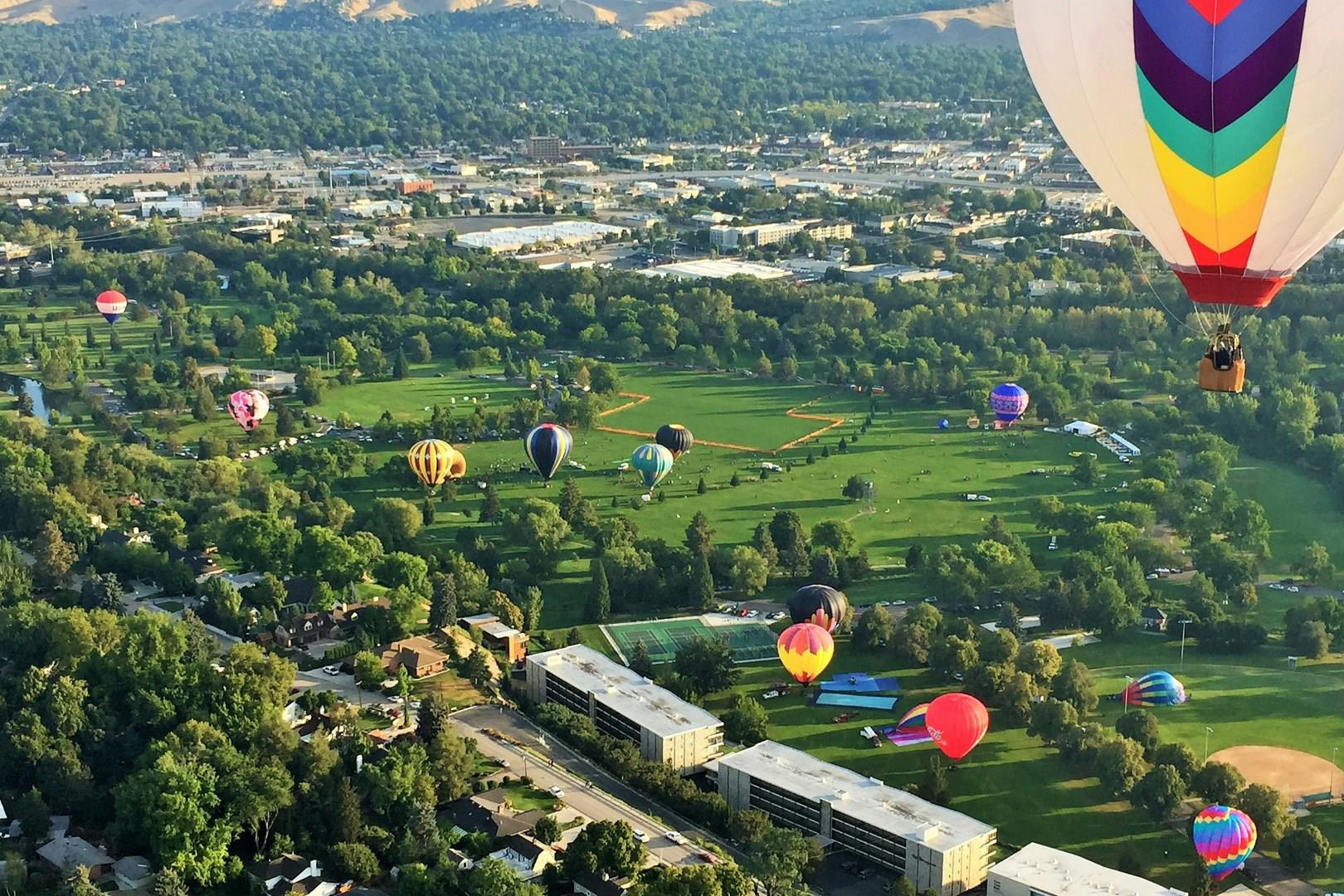
Boise
Boise, Idaho, often surprises first-time visitors with its dynamic mix of western history, creative culture, and easy access to outdoor experiences. Nestled at the base of the Boise Foothills, the city has grown from a 19th-century outpost into a capital city with a distinctly independent spirit. The downtown core is walkable and welcoming, where historic buildings now house coffee shops, craft breweries, and local boutiques.

Latvia
Latvia invites visitors to explore a land where medieval streets meet vast forests and a lively coastline. Riga, the country’s capital, is home to one of the largest and best-preserved collections of Art Nouveau architecture in Europe. Walking through the Old Town, visitors can admire intricate facades and cobblestone streets that lead to landmarks like the House of Blackheads and St. Peter’s Church, whose tower offers panoramic views of the city.


