

Reggio Calabria
Reggio Calabria, located at the tip of Italy’s toe, is a city where ancient history and natural beauty converge in spectacular fashion. One of the city's most renowned landmarks is the Bronzi di Riace, two magnificent bronze statues from the 5th century BC that were discovered off the coast of Riace in 1972.

Aomori
One of Japan's 60 core cities, Aomori is well-known for its beautiful landscapes. Favorite landscapes include the Hakkoda Mountains and Lake Towada. Another of the city's highlights is the Nebuta Matsuri, an annual festival known for its daily parade of giant, colorful lantern floats.

Agra
Once the capital of the Mughal Empire, Agra, India is now a cultural capital replete with famous landmarks and striking architecture. The city’s most prominent draw is the magnificent Taj Mahal, the iconic white marble mausoleum and a UNESCO World Heritage Site visited by millions of people each year.

Angkor Wat
Angkor Wat, located near Siem Reap in Cambodia, is a mesmerizing testament to the grandeur of the Khmer Empire and one of the world's most remarkable archaeological sites. Built in the early 12th century by King Suryavarman II, Angkor Wat was originally dedicated to the Hindu god Vishnu but later became a Buddhist temple.
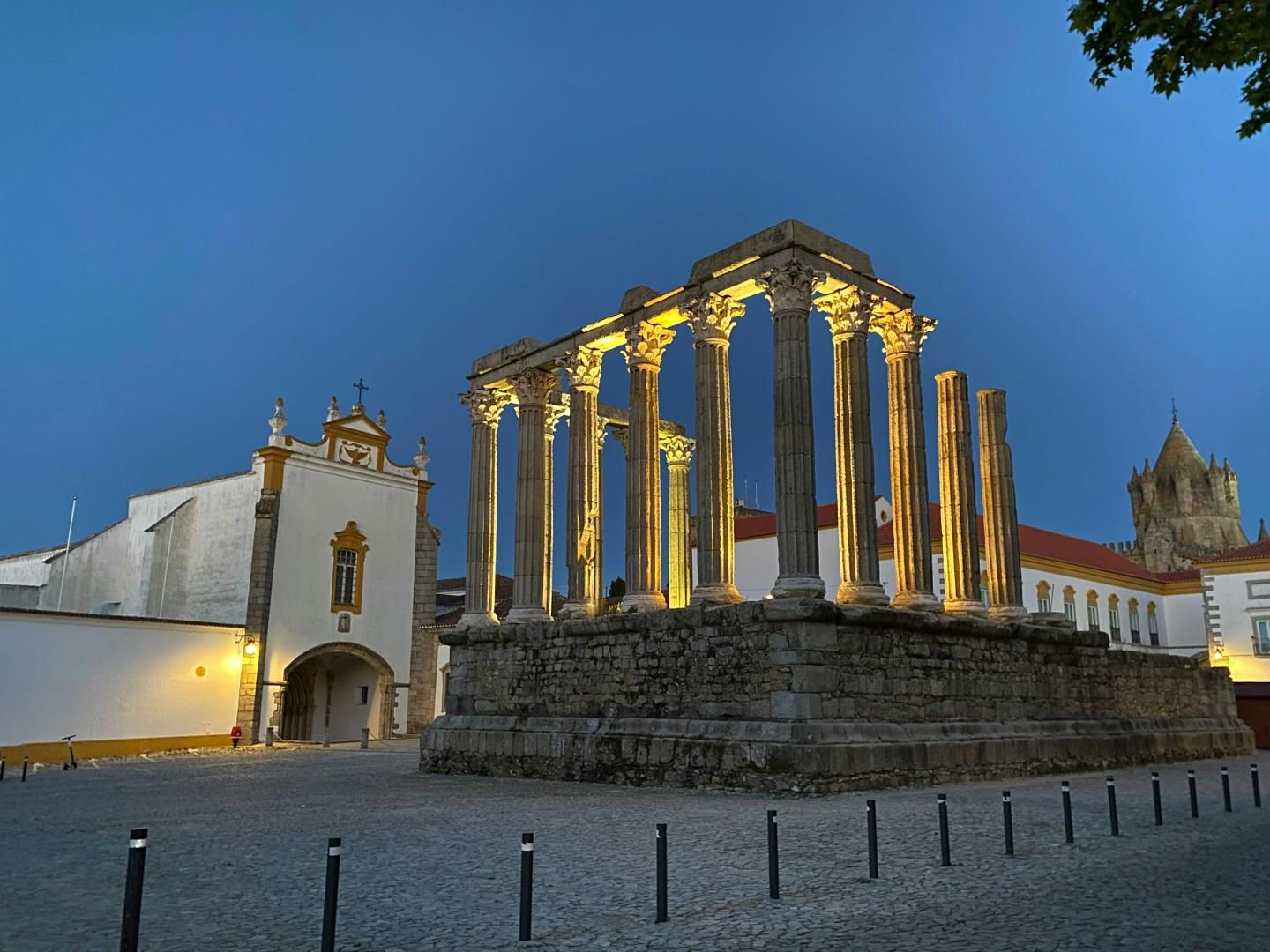
Evora
Évora, in Portugal’s Alentejo region, feels like stepping into a story that spans more than two thousand years. Its Historic Centre was named a UNESCO World Heritage Site for good reason with its ancient walls, homes with wrought-iron balconies, and narrow streets quietly preserve traces of Roman, Moorish, and medieval life. Beyond architecture and monuments, Évora reveals lesser-known treasures that reward exploration.


