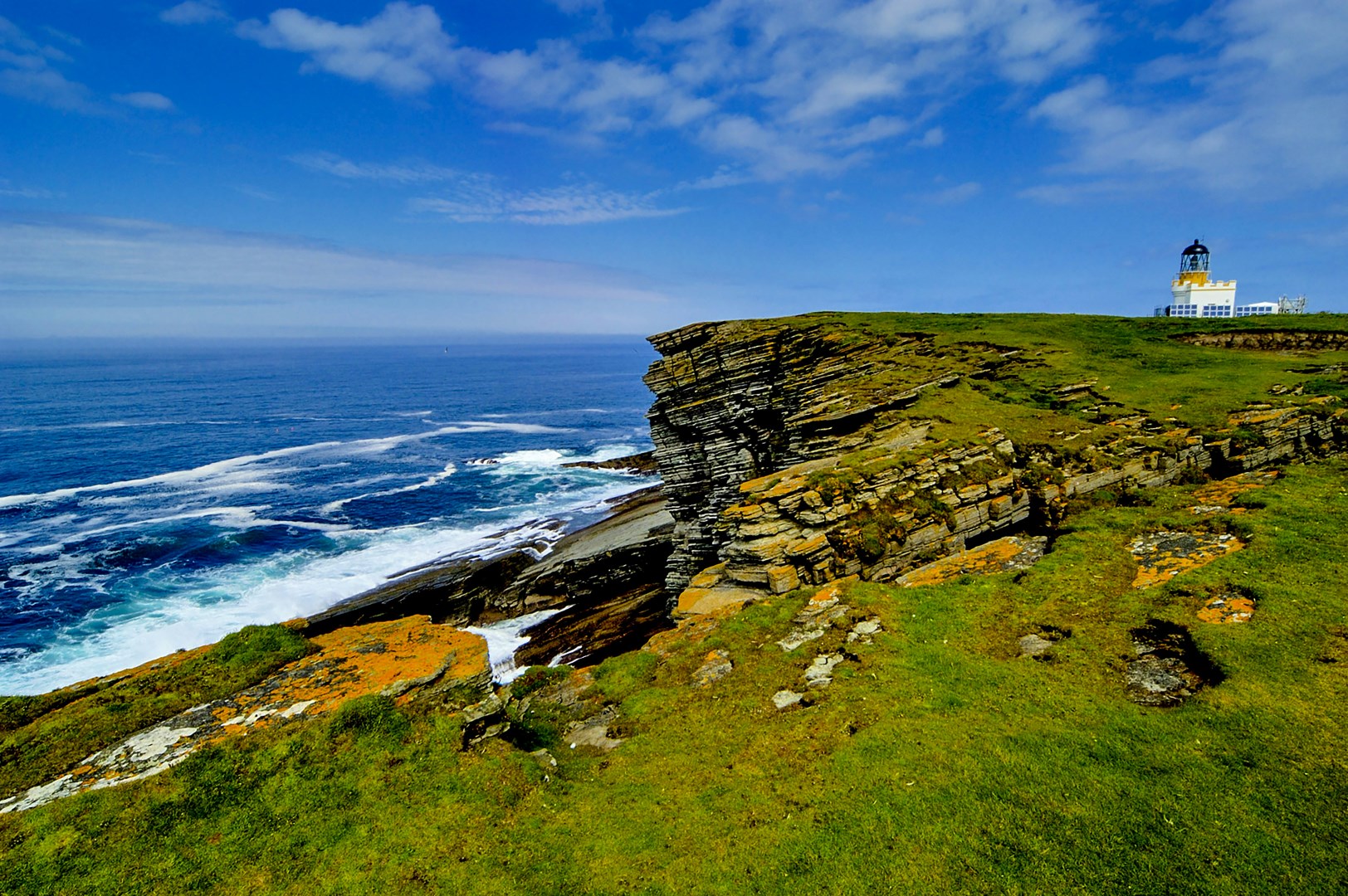
Kailua-Kona
Kailua-Kona, a picturesque seaside town on the west coast of Hawaii's Big Island, is a haven for travelers seeking both adventure and tranquility. Known simply as "Kona" to locals, this vibrant destination is celebrated for its rich history, volcanic landscapes, and inviting beaches. Kailua-Kona's iconic oceanfront Ali'i Drive is the heartbeat of the town, lined with charming shops, art galleries, and a plethora of dining options that range from fresh seafood to authentic Hawaiian cuisine.
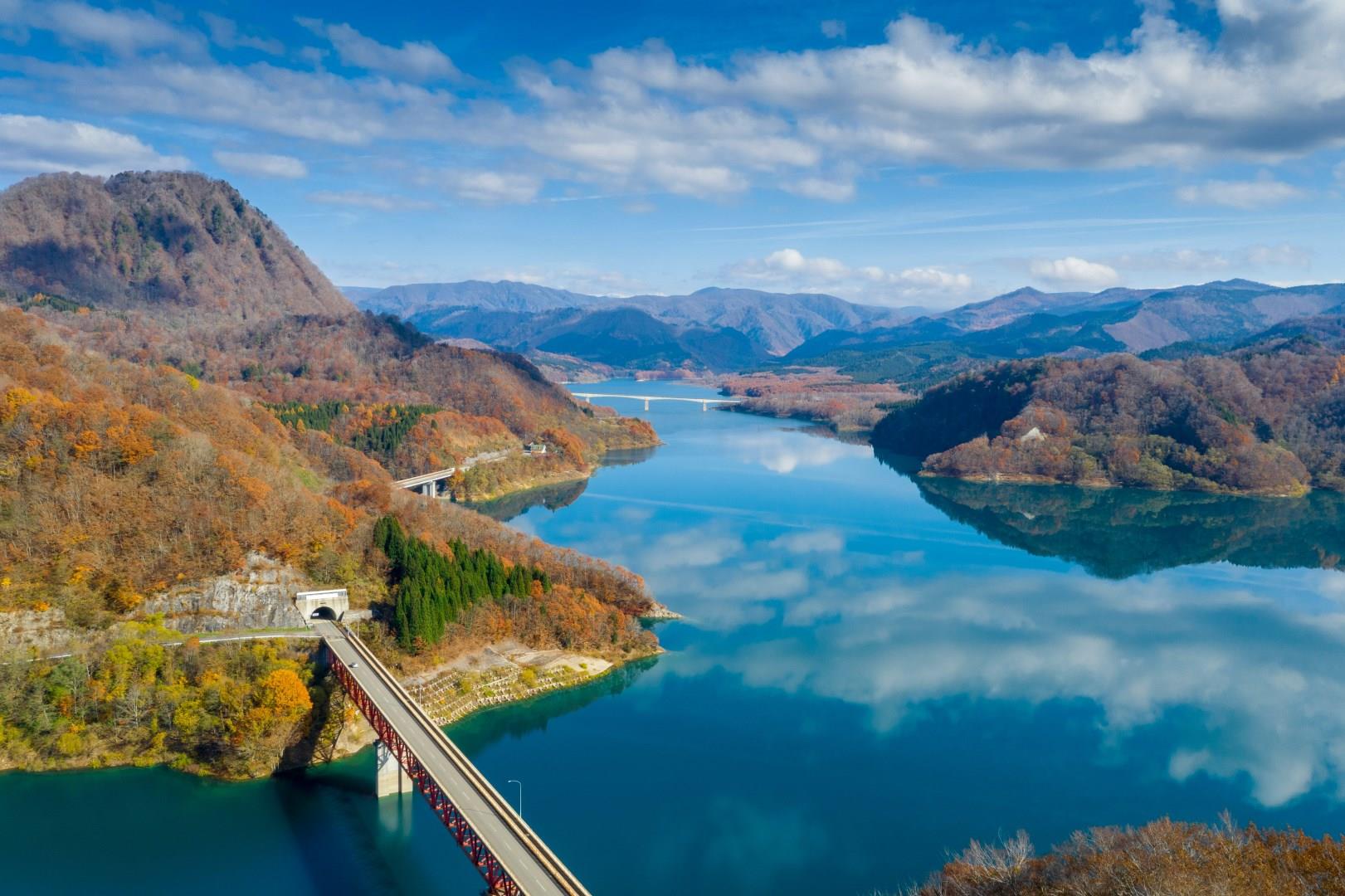
Akita
Akita sits in the northern part of Japan’s Tōhoku region and offers travelers experiences rooted in long-held traditions, lively festivals, and scenic valleys. Its capital city blends seasonal appeal with cultural offerings, from Senshu Park, once the site of Kubota Castle, where cherry blossoms and lotuses draw locals and visitors alike, to the Akita Museum of Art, a striking building designed by famed architect Tadao Ando that displays works including pieces by Tsuguharu Foujita.
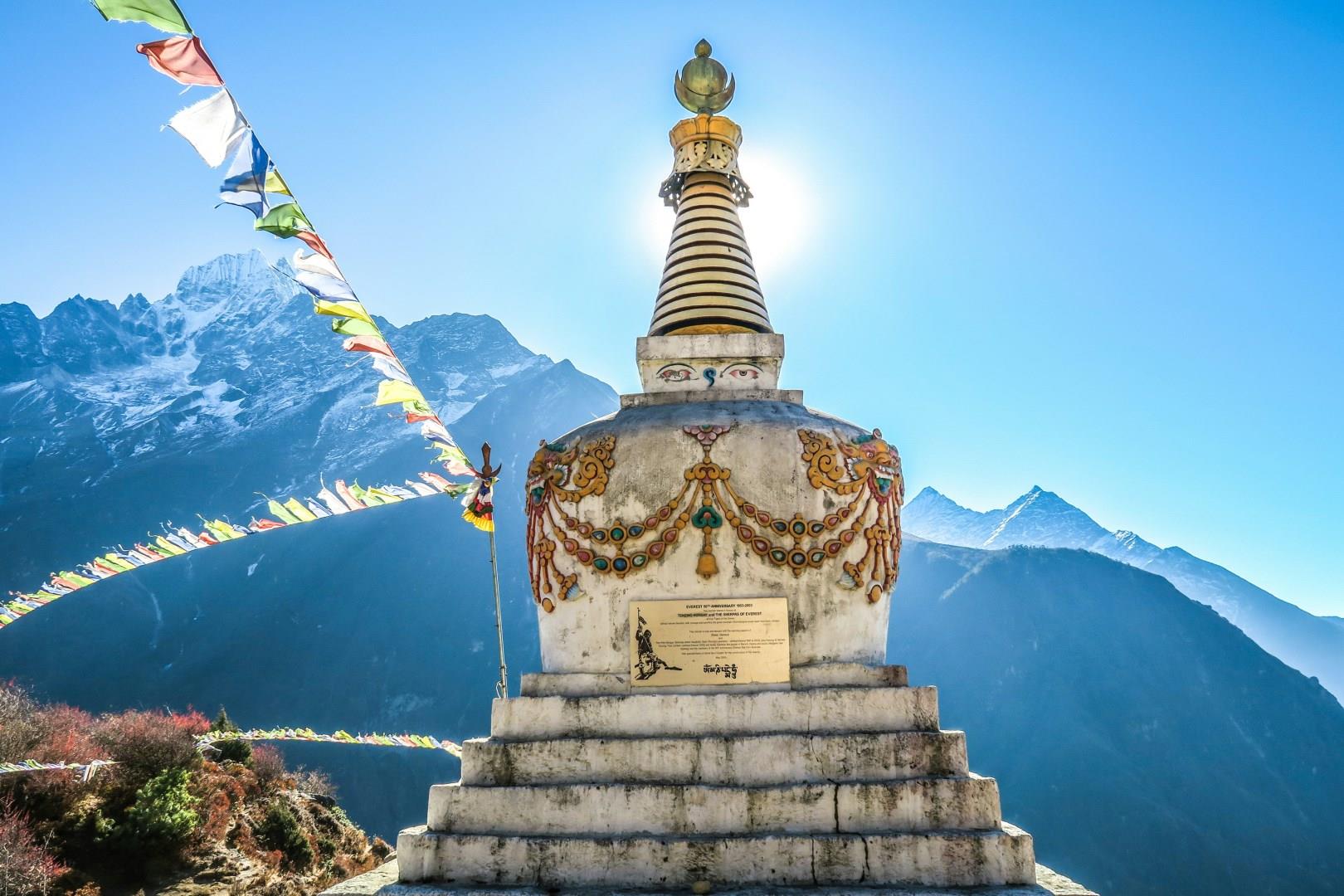
Namche
Namche Bazaar, perched at 3,440 meters in the Khumbu region of Nepal, is often called the gateway to Everest, but it’s far more than a rest stop on the way to Base Camp. Once a trading post between Tibetan and Nepali merchants, Namche has developed into a small mountain town where yak caravans and Wi-Fi cafes exist side by side. Despite its remote location, it has a Saturday market that continues to bring traders and trekkers together, just as it did centuries ago.
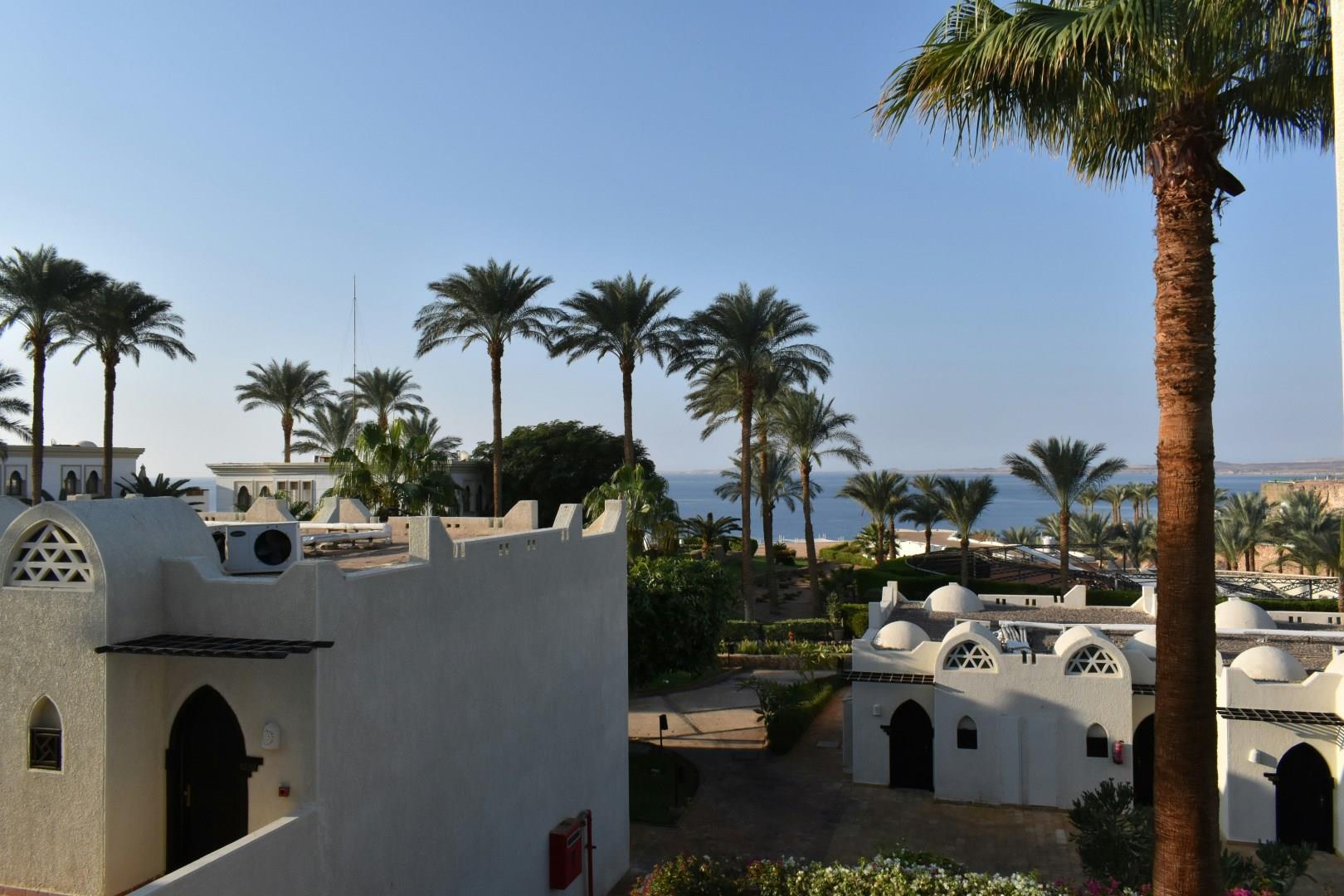
Sharm El Sheikh
Sharm El Sheikh sits on the southern tip of Egypt’s Sinai Peninsula, where the sparkling Red Sea meets desert ridges and wide skies. From its beginnings as a small fishing village it has grown into one of the world’s most recognized seaside destinations, drawing travelers to explore coral reefs, seaside promenades, and desert landscapes all within easy reach.

Cappadocia
The ancient region of Cappadocia lies in Central Anatolia, between the cities of Nevsehir, Kayseri and Nigde. Here, the traveler finds one of the most fantastic landscapes in the world. Wind and weather have eroded the soft volcanic rock with hundreds of strangely shaped pillars, cones and "fairy chimneys", often very tall, and in every shade from pink through yellow to russet browns.