Spitsbergen
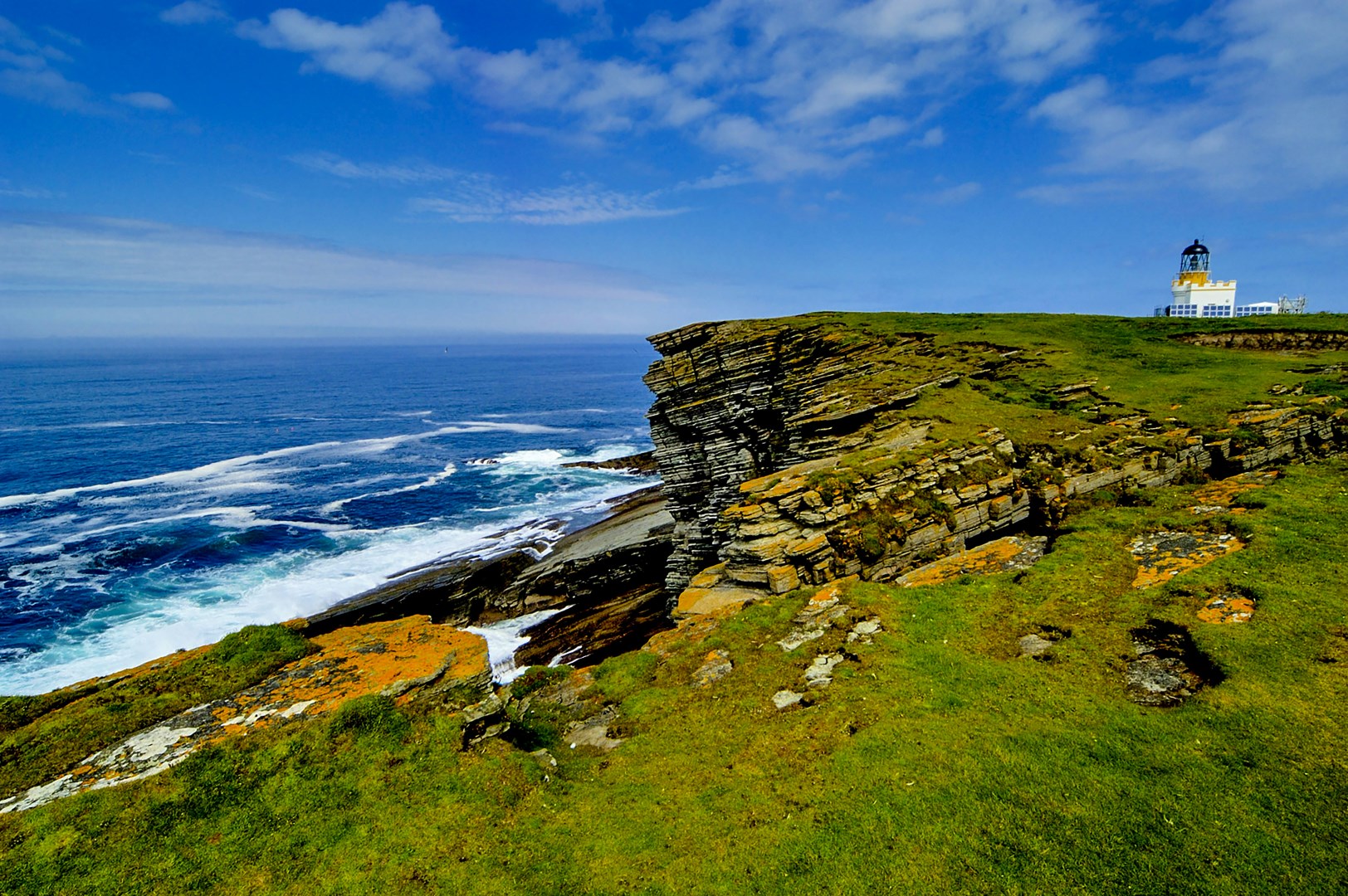
Spitsbergen is the largest island of Norway’s Svalbard archipelago, where the wonders of the Arctic come alive in breathtaking fashion. Known for its wild, untamed beauty, Spitsbergen offers travelers the chance to experience landscapes that are both surreal and majestic. From towering glaciers and jagged mountain peaks to expansive tundra and crystal-clear fjords, this frozen paradise is an explorer’s dream.

Garden of the Gods
Garden of the Gods, located in Colorado Springs, is a breathtaking natural wonder renowned for its stunning red rock formations and striking geological features. This public park is famous for its towering sandstone spires, some reaching heights of over 300 feet, which create a dramatic contrast against the backdrop of the snow-capped Pikes Peak.

Fremantle
Beyond the historic and cultural highlights, Fremantle boasts natural attractions that are accessible and inviting. The coastline offers calm beaches such as South Beach and Bathers Beach, popular spots for swimming and relaxing. Not far from the Fremantle Fishing Boat Harbour, the Rottnest Island ferry departs regularly, giving visitors a chance to explore the island’s sandy beaches and meet the famously friendly quokkas.

Geneva
Geneva is a cosmopolitan metropolis proud of her traditions. It is the international meeting place of many worldwide organizations including the United Nations and W.H.O. The symbol of the city, the Jet D'Eau is located on the picturesque lake which is surrounded by the splendid gardens and parks. The elegant city has an astonishing variety of boutiques and department stores filled with every imaginable item.

Belgrade
A historic capital in the heart of the Balkans, Belgrade will absolutely charm you with its picturesque cafés, striking religious monuments, riveting museums, and thriving nightlife.