Veneto, a region in northeastern Italy, offers a rich tapestry of history, culture, and natural beauty. The city of Verona, famous for its Shakespearean connection, is a jewel within this region. Visitors can explore the ancient Roman Arena, where operas and concerts are still held amidst the ruins. Wander through Verona’s medieval streets, and you’ll find Juliet’s House, a romantic site made famous by Romeo and Juliet.
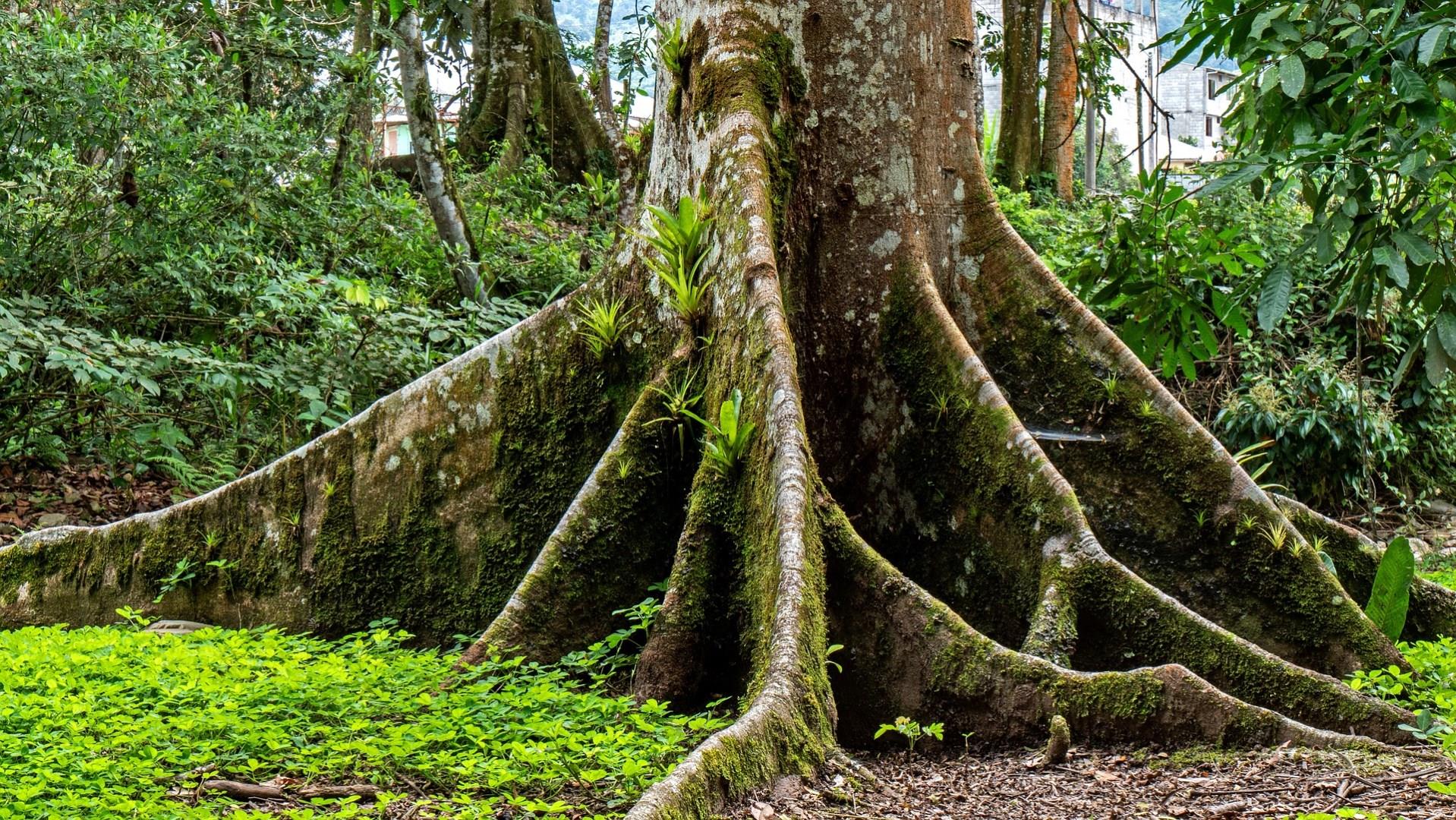
In the heart of South America, Ecuador offers a compact yet astonishingly diverse experience for travelers. From the cobbled streets of Quito’s historic center to the vibrant Afro-Ecuadorian rhythms of Esmeraldas, the country pulses with stories waiting to be discovered. Just a short drive away, visitors can stand on the equator line at the “Mitad del Mundo” and participate in engaging experiments that demonstrate the planet’s gravitational quirks.
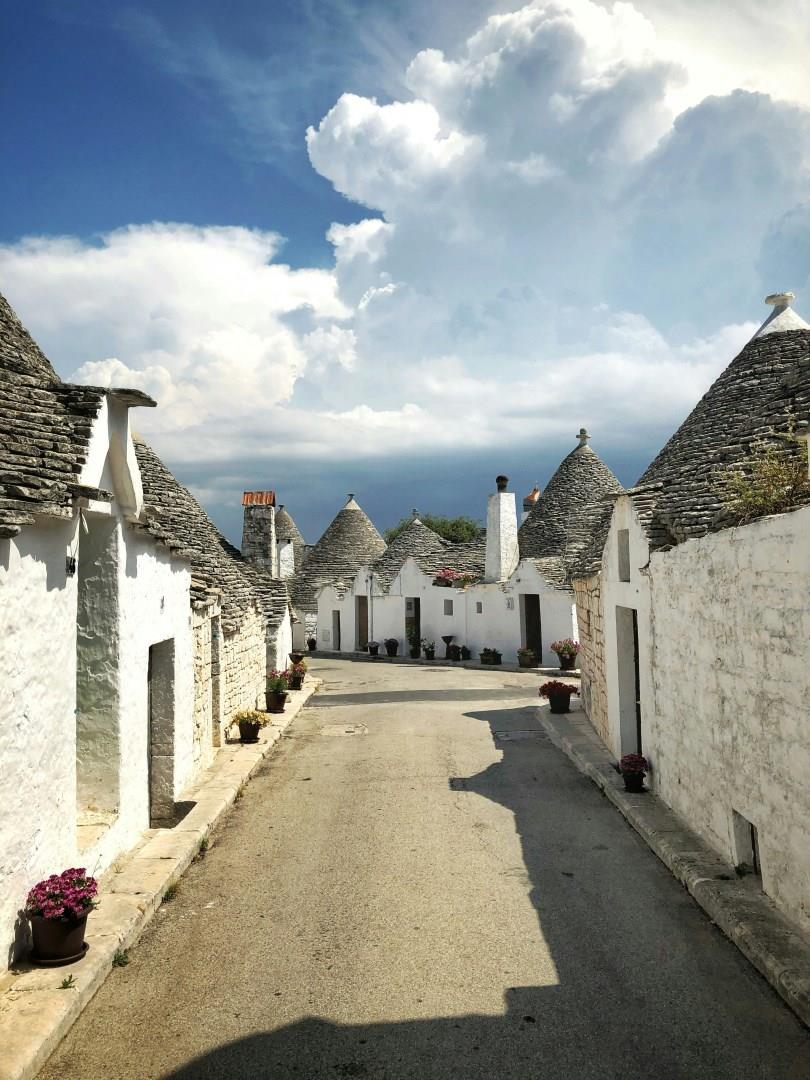
Alberobello in southern Italy’s Puglia region captures the imagination with its distinctive trulli houses. These structures were built using a dry-stone technique passed down over centuries, without mortar or cement, and their unique form comes from layer upon layer of limestone nestled from nearby fields. Alberobello’s trulli are so remarkable that in 1996 the historic center was inscribed as a UNESCO World Heritage Site, where more than 1,600 of these buildings still stand.
St. Kitts and Nevis, a twin-island nation in the Leeward Islands of the Caribbean, offers a rare combination of lush landscapes, colonial history, and vibrant local culture.
Fakarava, a hidden paradise in French Polynesia, is an ideal destination for those seeking unspoiled natural beauty and adventure. This atoll, part of the Tuamotu Archipelago, is known for its pristine coral reefs and crystal-clear lagoons.
La Digue, the fourth-largest island in the Seychelles, offers a quintessential tropical paradise experience. Known for its idyllic beaches and charming laid-back atmosphere, La Digue is a haven for nature lovers and those seeking a serene escape. The island’s most iconic beach, Anse Source d'Argent, is renowned for its stunning granite boulders and crystal-clear waters, making it one of the most photographed beaches in the world. The beach's unique rock formations and soft white sands create a picturesque setting that’s perfect for both relaxation and photography.
Exploring La Digue is a journey through natural beauty and traditional Seychellois life. Cycling is the primary mode of transportation on the island, adding to its charm. Visit the L’Union Estate, a historic plantation where you can see traditional coconut oil production and encounter giant tortoises (L’Union Estate). Nearby, the Veuve Nature Reserve provides a sanctuary for the endangered Seychelles Paradise Flycatcher, allowing bird enthusiasts to witness this rare species in its natural habitat.
For those interested in local culture, the island’s small village atmosphere is welcoming and authentic. Stroll through the village markets to sample fresh local produce and handmade crafts, or enjoy traditional Creole cuisine at local eateries. The vibrant local culture and the slow pace of life on La Digue offer a delightful contrast to the more bustling tourist spots of the Seychelles.
Fun Fact: La Digue is renowned for its distinctive 'Vallée de Mai' palm trees, which are not found on the island itself but are unique to the Seychelles. These trees, famous for their large seeds called coco de mer, can be seen on nearby Praslin Island.
For the best experience, visit La Digue during the cooler, drier months of May to October, when the weather is perfect for beach activities and exploring the island’s natural wonders. This time of year also ensures fewer crowds, allowing for a more tranquil and enjoyable stay.