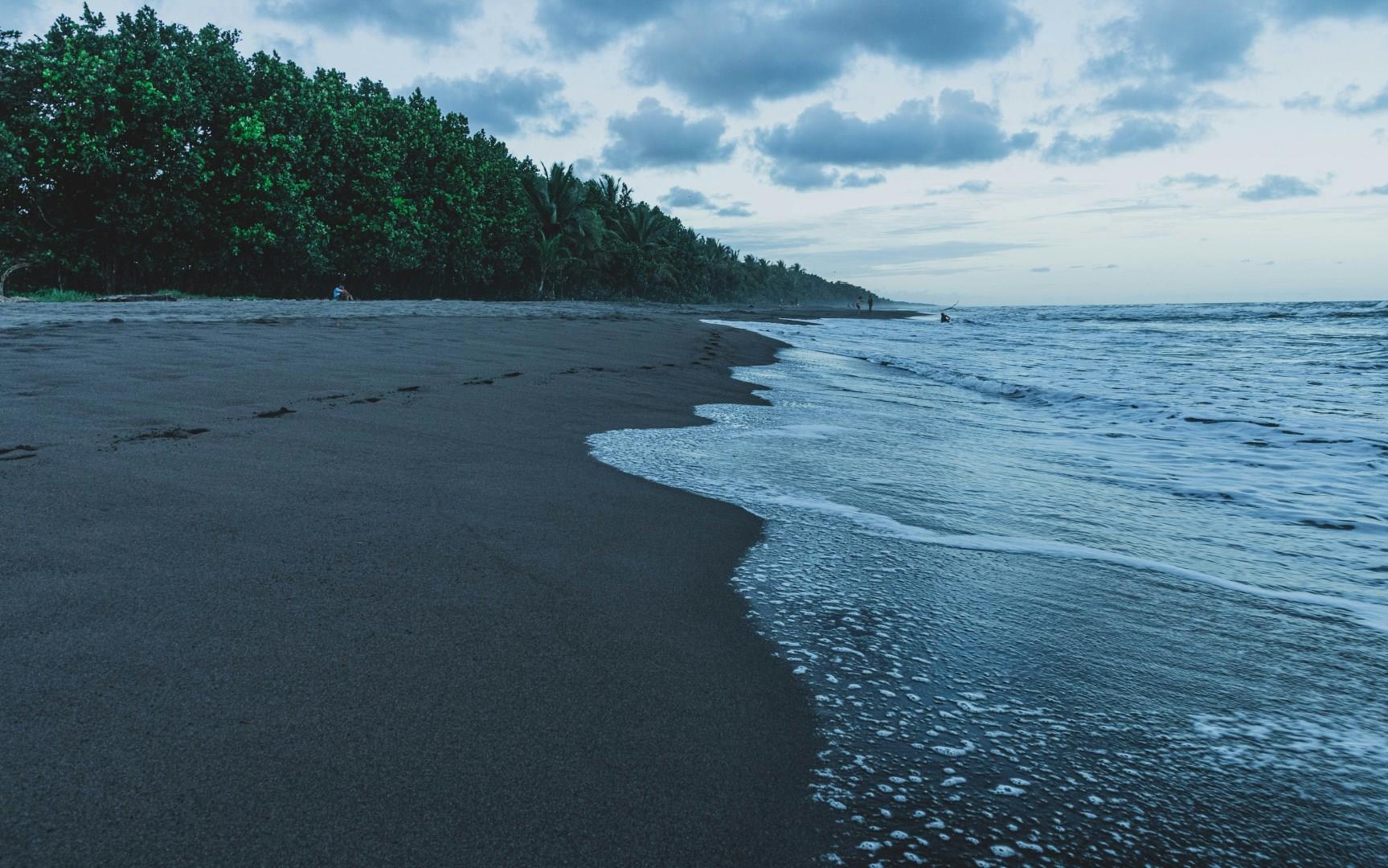
Tortuguero, located on Costa Rica’s remote northern Caribbean coast, is a destination unlike any other in the country. Accessible only by boat or small aircraft, this coastal village sits between the Caribbean Sea and a network of freshwater canals. Its name, meaning "place of turtles," comes from the thousands of sea turtles that arrive annually to lay their eggs on its beaches, including green, leatherback, and hawksbill turtles.
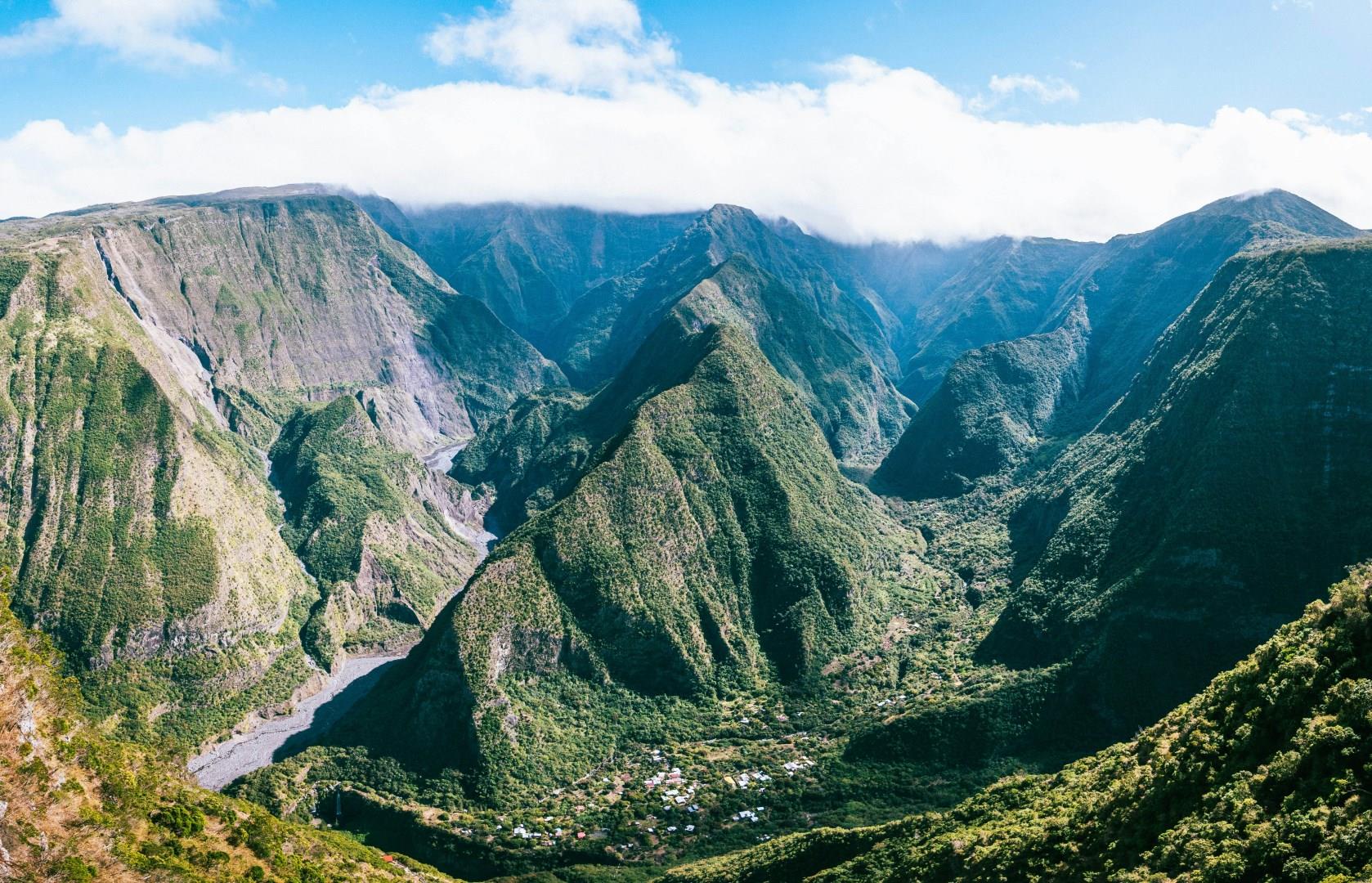
Réunion, a French overseas department in the Indian Ocean, lies east of Madagascar and combines European and Creole influences in a tropical setting. Its volcanic landscapes, lush forests, and coastal towns make it an extraordinary destination for those seeking both culture and nature.
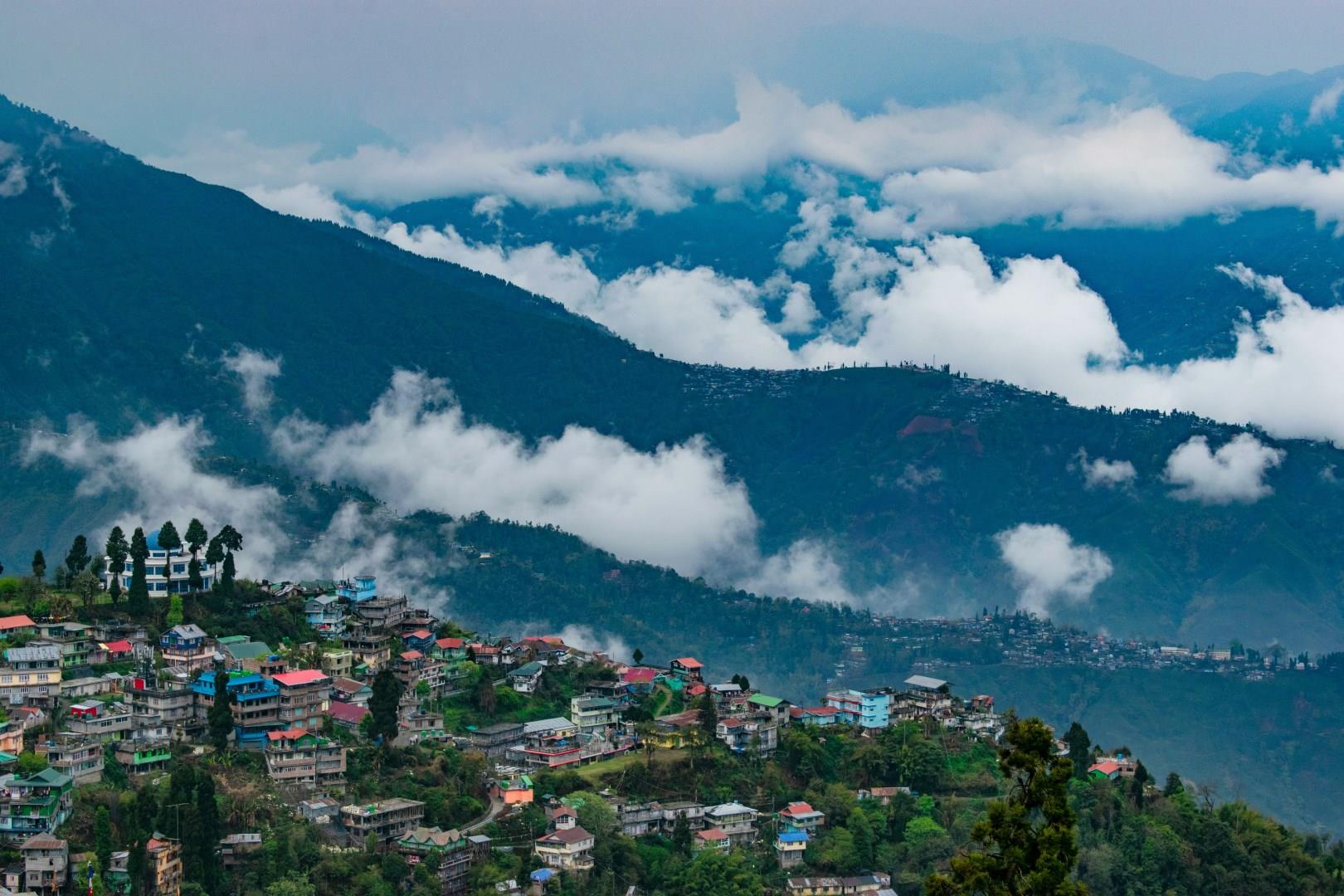
Lifou Island, the most populous of the Loyalty Islands in New Caledonia, is a flat, former coral atoll with abundant vegetation and surrounded by secluded coral reefs which many say offer some of the best snorkeling in the world.
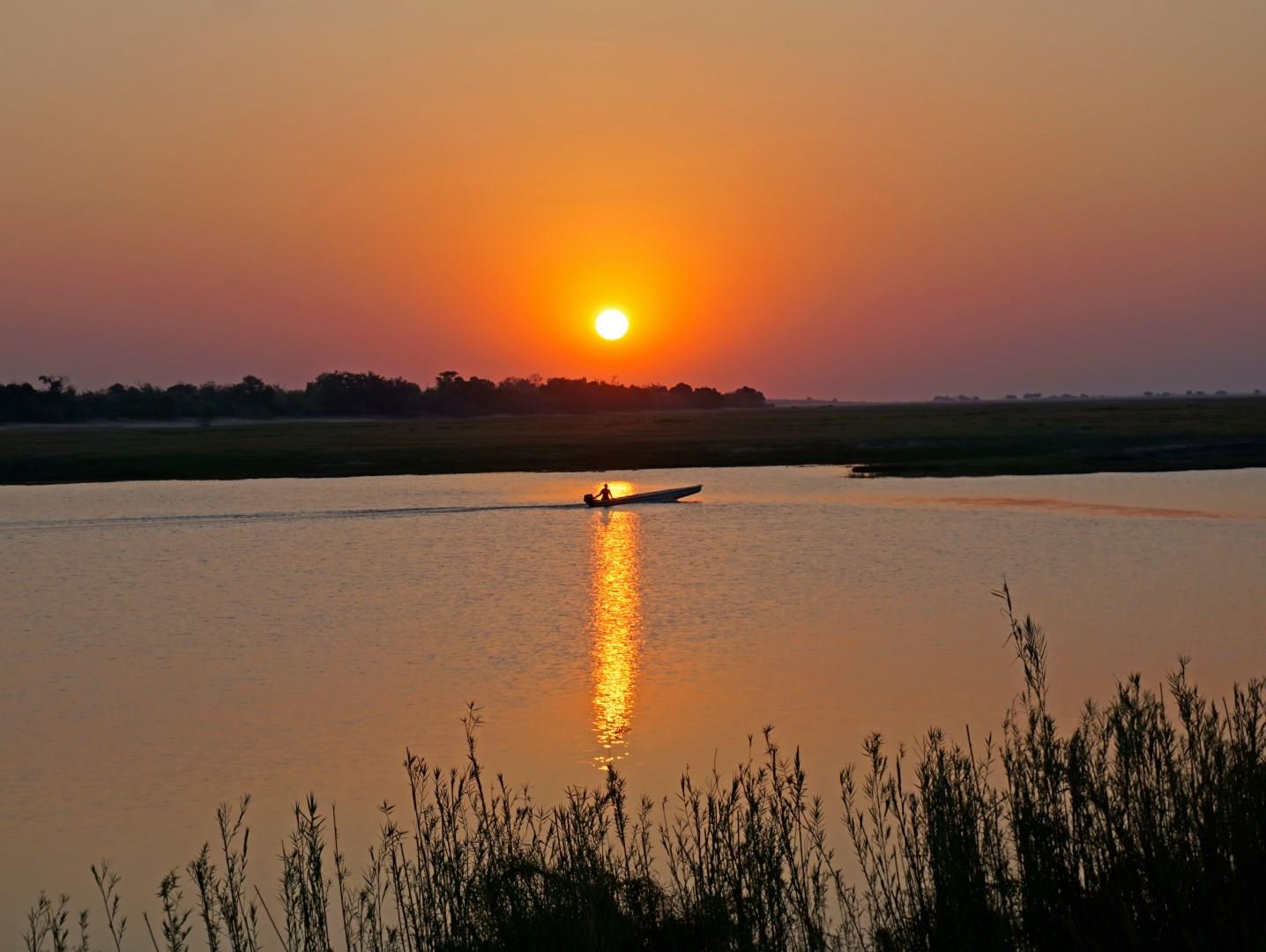
The Chobe River forms the northern boundary of the Chobe National Park. Animal lovers and safari enthusiasts know it as the place where the elephants congregate during winter's dry season and migrant birds are in full color during the wet summer months. The river itself is actually a section of the Cuando River, known as the Chobe from the seasonal lake Liambesi to its outflow at the Zambezi River.
La Digue, the fourth-largest island in the Seychelles, offers a quintessential tropical paradise experience. Known for its idyllic beaches and charming laid-back atmosphere, La Digue is a haven for nature lovers and those seeking a serene escape. The island’s most iconic beach, Anse Source d'Argent, is renowned for its stunning granite boulders and crystal-clear waters, making it one of the most photographed beaches in the world. The beach's unique rock formations and soft white sands create a picturesque setting that’s perfect for both relaxation and photography.
Exploring La Digue is a journey through natural beauty and traditional Seychellois life. Cycling is the primary mode of transportation on the island, adding to its charm. Visit the L’Union Estate, a historic plantation where you can see traditional coconut oil production and encounter giant tortoises (L’Union Estate). Nearby, the Veuve Nature Reserve provides a sanctuary for the endangered Seychelles Paradise Flycatcher, allowing bird enthusiasts to witness this rare species in its natural habitat.
For those interested in local culture, the island’s small village atmosphere is welcoming and authentic. Stroll through the village markets to sample fresh local produce and handmade crafts, or enjoy traditional Creole cuisine at local eateries. The vibrant local culture and the slow pace of life on La Digue offer a delightful contrast to the more bustling tourist spots of the Seychelles.
Fun Fact: La Digue is renowned for its distinctive 'Vallée de Mai' palm trees, which are not found on the island itself but are unique to the Seychelles. These trees, famous for their large seeds called coco de mer, can be seen on nearby Praslin Island.
For the best experience, visit La Digue during the cooler, drier months of May to October, when the weather is perfect for beach activities and exploring the island’s natural wonders. This time of year also ensures fewer crowds, allowing for a more tranquil and enjoyable stay.