Jackson Hole, Wyoming, is a gateway to the grandeur of the American West, where rugged landscapes meet a rich frontier heritage. Nestled between the Teton Mountain Range and the National Elk Refuge, the town offers visitors a taste of authentic Western life alongside world-class outdoor adventures. The vibrant arts scene in Jackson Hole reflects the area’s creative spirit, with galleries showcasing Western art, wildlife photography, and contemporary pieces.
Set along the turquoise coast of southern Turkey, Phaselis offers a rare combination of ancient ruins and quiet bays framed by pine forests. Located within the borders of Antalya Province, this former port city stretches across a narrow peninsula where the sea meets low hills. Visitors arrive to find three natural harbors, each with clear water and gentle shores, creating inviting spots for swimming just steps from centuries-old stone structures.
Replete with windmills and old-world charm, the village of Kinderdijk lies east of Rotterdam on the Lek River and is a popular stop for European river cruises. Home to the largest concentration of old windmills in the Netherlands, Kinderdijk was designated a UNESCO World Heritage Site in 1997.
Istanbul is a city built on layers of empire. Spanning two continents, it was once the capital of three major empires: Roman, Byzantine, and Ottoman. Visitors walking through the Sultanahmet district can witness this timeline firsthand, from the Roman-era Hippodrome to the Byzantine mosaics of Hagia Sophia, and the towering minarets of the Blue Mosque. At nearby Topkapi Palace, rooms still display the jeweled swords, ceremonial robes, and handwritten Qurans once used by Ottoman sultans.
Fuvahmulah, part of the Maldives, stands apart as the only island in the country that is both a single atoll and a single island. Unlike the ring-shaped atolls that define most of the Maldives, Fuvahmulah has freshwater lakes, fertile soil, and lush greenery.
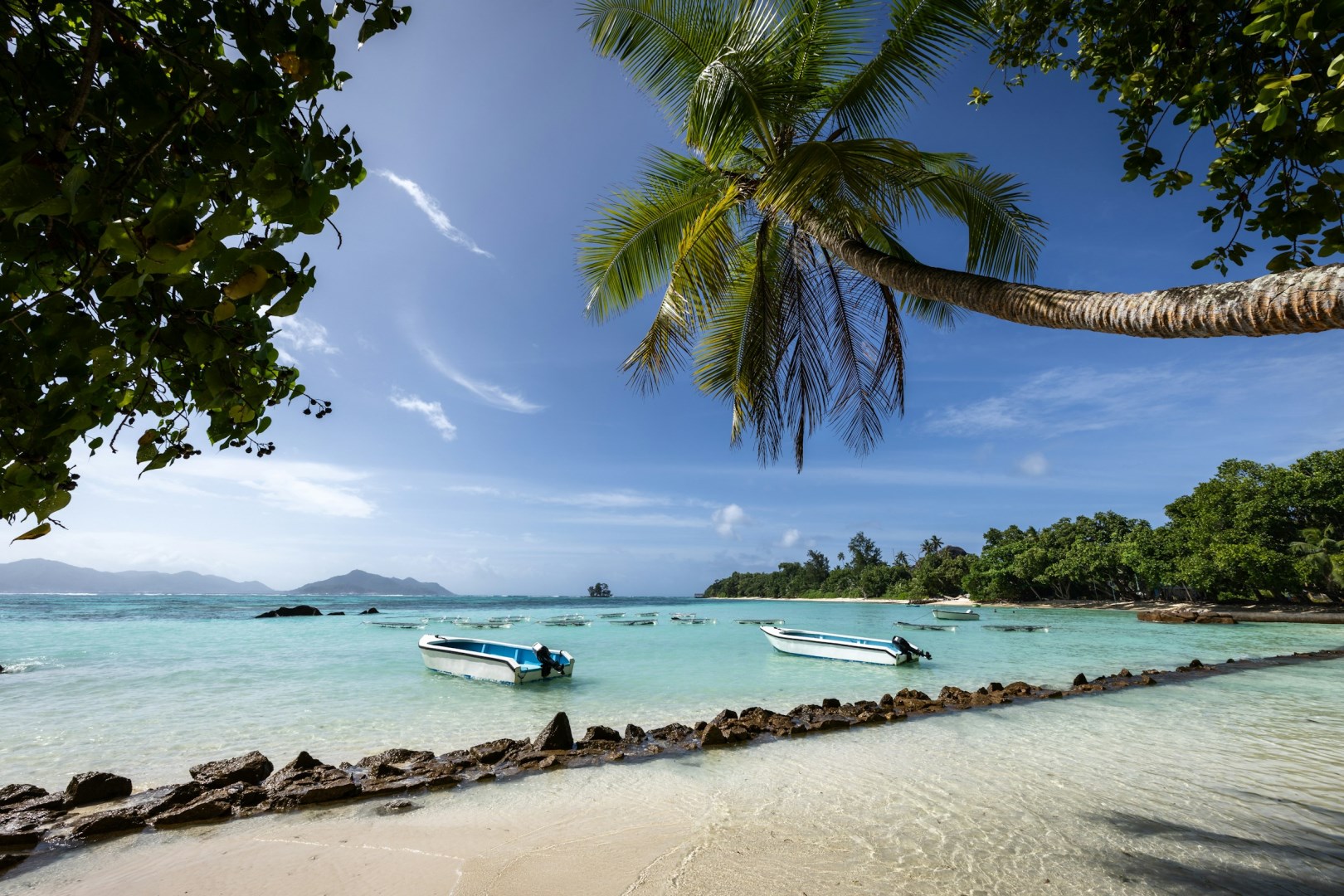
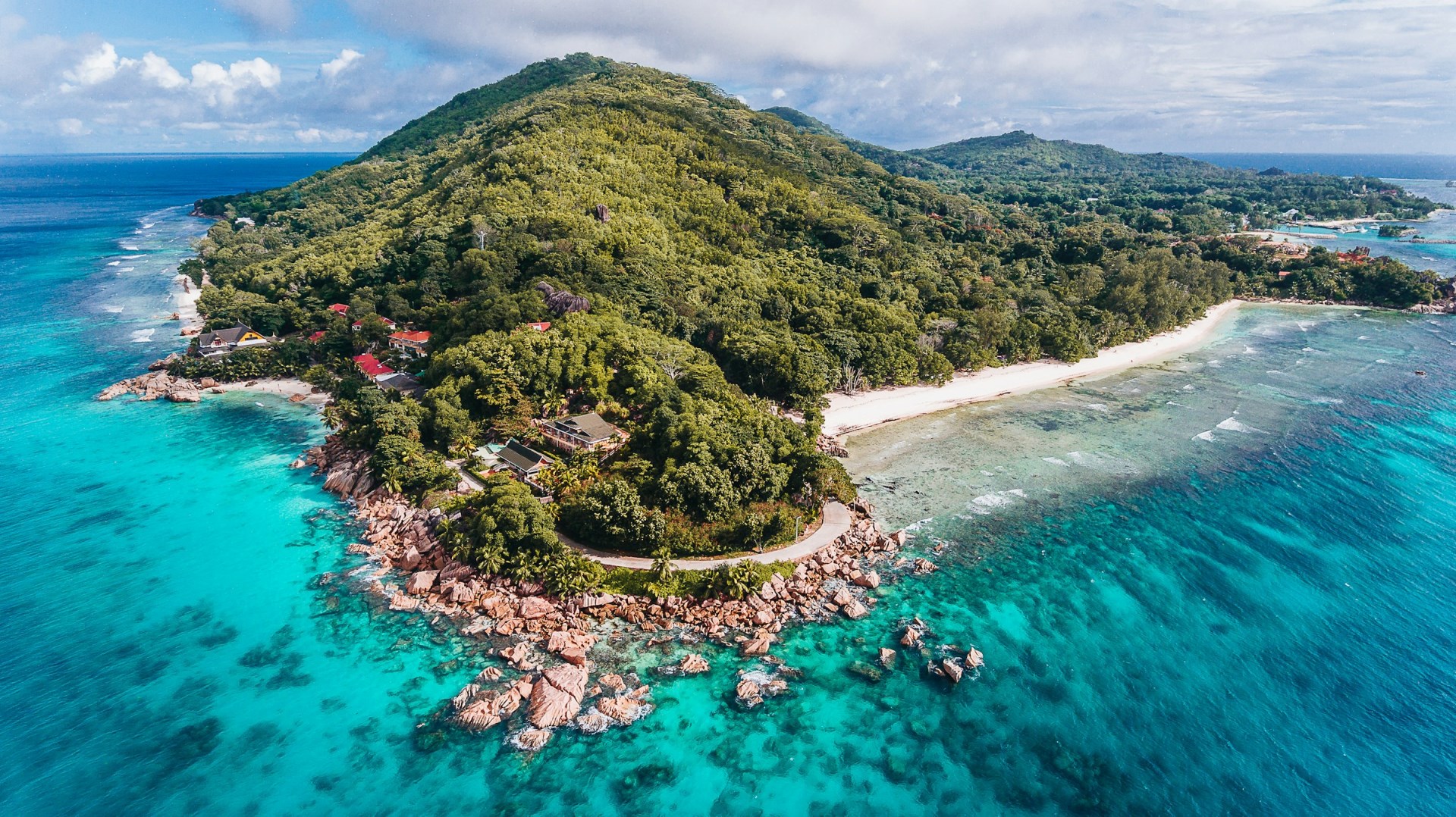
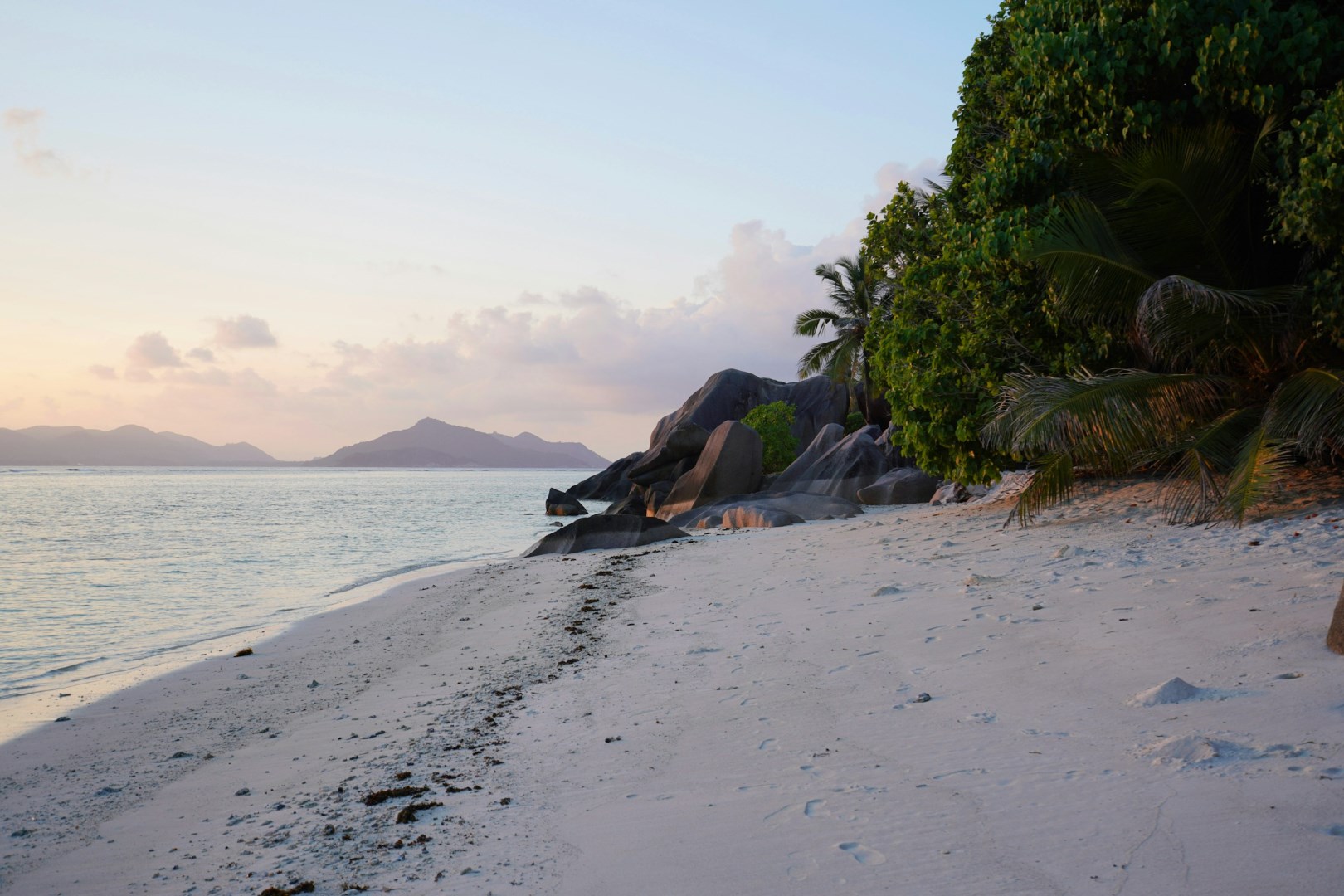
La Digue, the fourth-largest island in the Seychelles, offers a quintessential tropical paradise experience. Known for its idyllic beaches and charming laid-back atmosphere, La Digue is a haven for nature lovers and those seeking a serene escape. The island’s most iconic beach, Anse Source d'Argent, is renowned for its stunning granite boulders and crystal-clear waters, making it one of the most photographed beaches in the world. The beach's unique rock formations and soft white sands create a picturesque setting that’s perfect for both relaxation and photography.
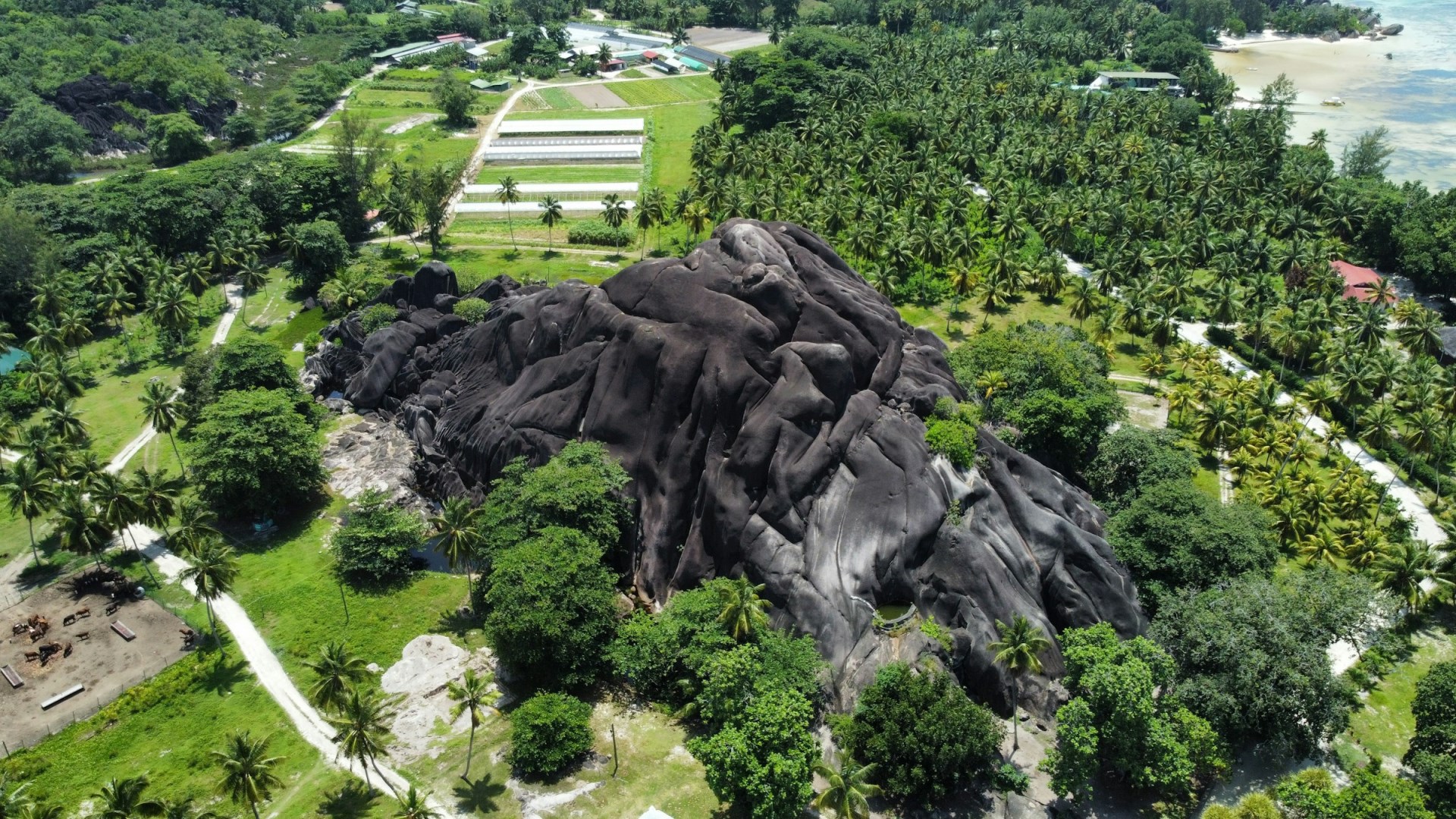
Exploring La Digue is a journey through natural beauty and traditional Seychellois life. Cycling is the primary mode of transportation on the island, adding to its charm. Visit the L’Union Estate, a historic plantation where you can see traditional coconut oil production and encounter giant tortoises (L’Union Estate). Nearby, the Veuve Nature Reserve provides a sanctuary for the endangered Seychelles Paradise Flycatcher, allowing bird enthusiasts to witness this rare species in its natural habitat.
For those interested in local culture, the island’s small village atmosphere is welcoming and authentic. Stroll through the village markets to sample fresh local produce and handmade crafts, or enjoy traditional Creole cuisine at local eateries. The vibrant local culture and the slow pace of life on La Digue offer a delightful contrast to the more bustling tourist spots of the Seychelles.
Fun Fact: La Digue is renowned for its distinctive 'Vallée de Mai' palm trees, which are not found on the island itself but are unique to the Seychelles. These trees, famous for their large seeds called coco de mer, can be seen on nearby Praslin Island.
For the best experience, visit La Digue during the cooler, drier months of May to October, when the weather is perfect for beach activities and exploring the island’s natural wonders. This time of year also ensures fewer crowds, allowing for a more tranquil and enjoyable stay.