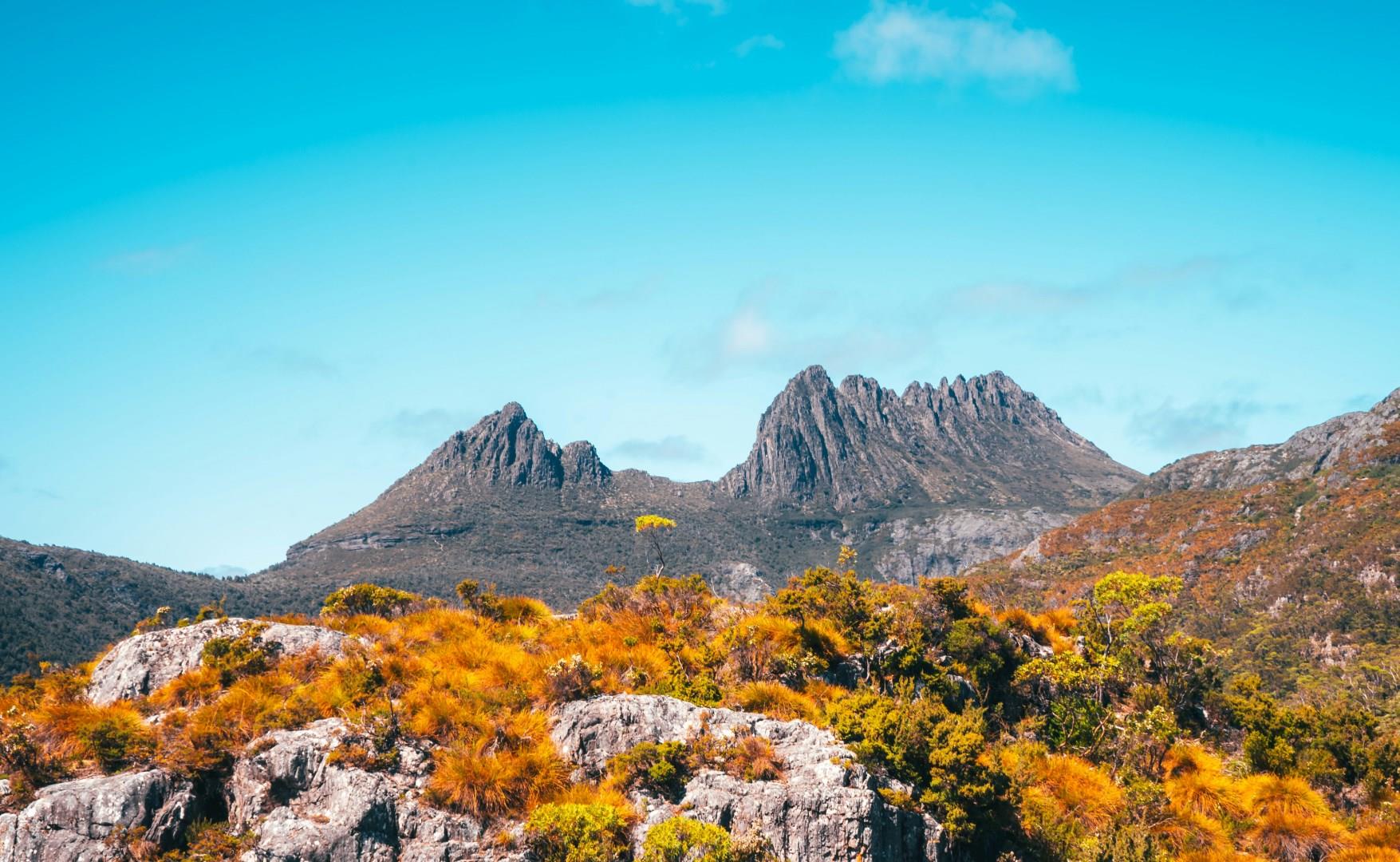
Cradle Mountain, located within the Tasmanian Wilderness World Heritage Area, is one of Australia's most distinctive landscapes. Towering over Dove Lake, the craggy peak rises to 1,545 meters and is often dusted with snow, even in spring. The mountain and surrounding area are part of Cradle Mountain–Lake St Clair National Park, which was established in 1922 and has since become a cornerstone of Tasmania’s protected wildlands.
In the walled city of Siena we stand firmly planted in the Middle Ages. Siena preserved its original character more markedly than any other city in Italy.
Cancún sits on the northeastern tip of Mexico’s Yucatán Peninsula, where the Caribbean Sea meets a narrow stretch of sand shaped by ancient Maya trade routes and modern development. While widely known as a resort destination, Cancún’s roots trace back to a quiet fishing area near important pre-Hispanic sites, with nearby Isla Mujeres and the mainland serving as part of a broader coastal network connected to inland Maya cities.
Nestled in the heart of the Colorado Rockies, Vail is a premier destination renowned for its world-class skiing and charming alpine ambiance. The town’s centerpiece is Vail Mountain, a sprawling 5,300-acre ski resort that offers an extensive network of trails for all skill levels. Whether you’re a seasoned skier or a first-timer, Vail’s slopes provide exhilarating experiences and breathtaking mountain views.
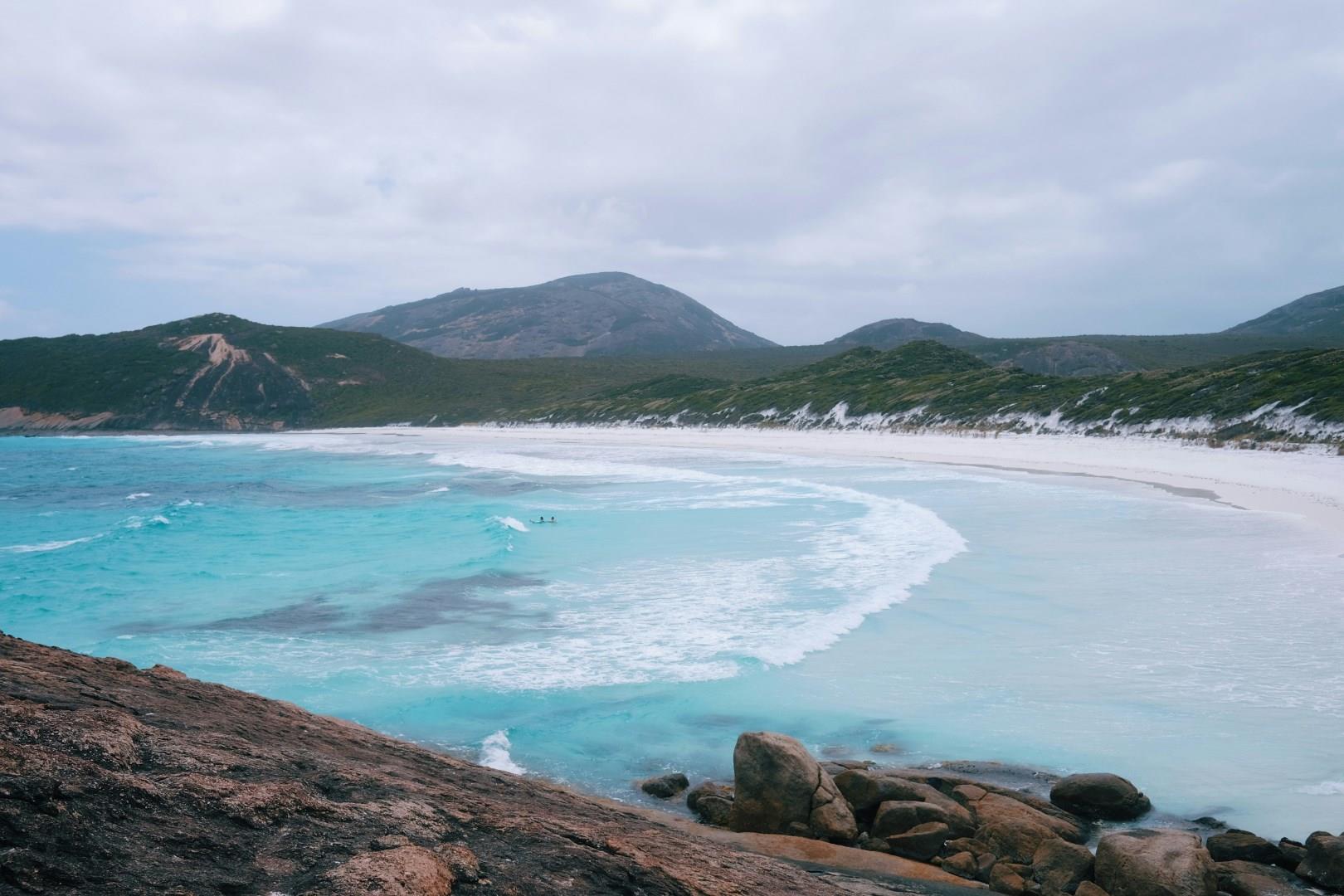
Esperance sits on the southern coast of Western Australia, where wide blue seas meet miles of white sand beaches and rocky headlands. The coastal town grew from pearling and pastoral beginnings into a laid-back seaside destination with a backdrop of rugged terrain and ocean views.
Longyearbyen, the northernmost settlement of its size in the world, offers a unique and captivating experience in the Arctic archipelago of Svalbard, Norway. Nestled between icy peaks and sprawling glaciers, this remote town is a gateway to exploring the rugged beauty of the Arctic landscape. Visitors can marvel at the dramatic scenery and embark on thrilling adventures such as dog sledding, snowmobiling, and glacier hiking. The town's striking contrasts between the stark white snow and vibrant colorful buildings create a visually stunning backdrop, making it a photographer's paradise.
A visit to Longyearbyen is also a journey into the history and culture of Arctic exploration. The Svalbard Museum provides insights into the region’s rich history, from its early Arctic expeditions to its current status as a hub for scientific research. Additionally, the Global Seed Vault, located nearby, is an essential stop. This high-tech facility stores seeds from around the world as a safeguard against global crises, highlighting the area’s role in global conservation.
For nature enthusiasts, Longyearbyen offers a rare chance to witness the polar bear, a symbol of Arctic wildlife. Guided tours often include educational sessions about polar bears and their habitat, ensuring both safety and respect for these majestic creatures.
Fun Fact: Despite its polar location, Longyearbyen has a surprisingly rich culinary scene. The town is known for its unique Arctic delicacies, including reindeer and king crab, which you can enjoy at local restaurants. The town’s vibrant community and its blend of cultures contribute to a memorable Arctic culinary experience.
Traveling to Longyearbyen between March and May is ideal for experiencing the full range of Arctic adventures while enjoying extended daylight hours. This period offers an excellent opportunity to explore the pristine landscapes and immerse yourself in the extraordinary Arctic lifestyle.