New Orleans is unlike any other city in the United States. Founded in 1718, it carries layers of French, Spanish, African, and Caribbean influence that can be felt in everything from its architecture to its street music. The French Quarter, the oldest neighborhood in the city, is full of iron-laced balconies, gas lamps, and narrow streets that echo with the sounds of live jazz.
Heidelberg, located along the scenic banks of the Neckar River in southwestern Germany, is a city steeped in history, culture, and charm. Known for its prestigious university, which is one of the oldest in Europe, the city draws visitors with its picturesque old town, medieval architecture, and vibrant academic atmosphere.
Enclosed by mountains, the Bay of Kotor is dotted with historic towns, medieval fortifications, and centuries-old churches, making it a must-visit location for travelers looking to explore a unique coastal landscape.
Tashkent, the capital of Uzbekistan, lies at the crossroads of Central Asia and has long been a hub of culture, trade, and political life. Its history stretches back over two millennia, shaped by Persian, Mongol, and Russian influences.
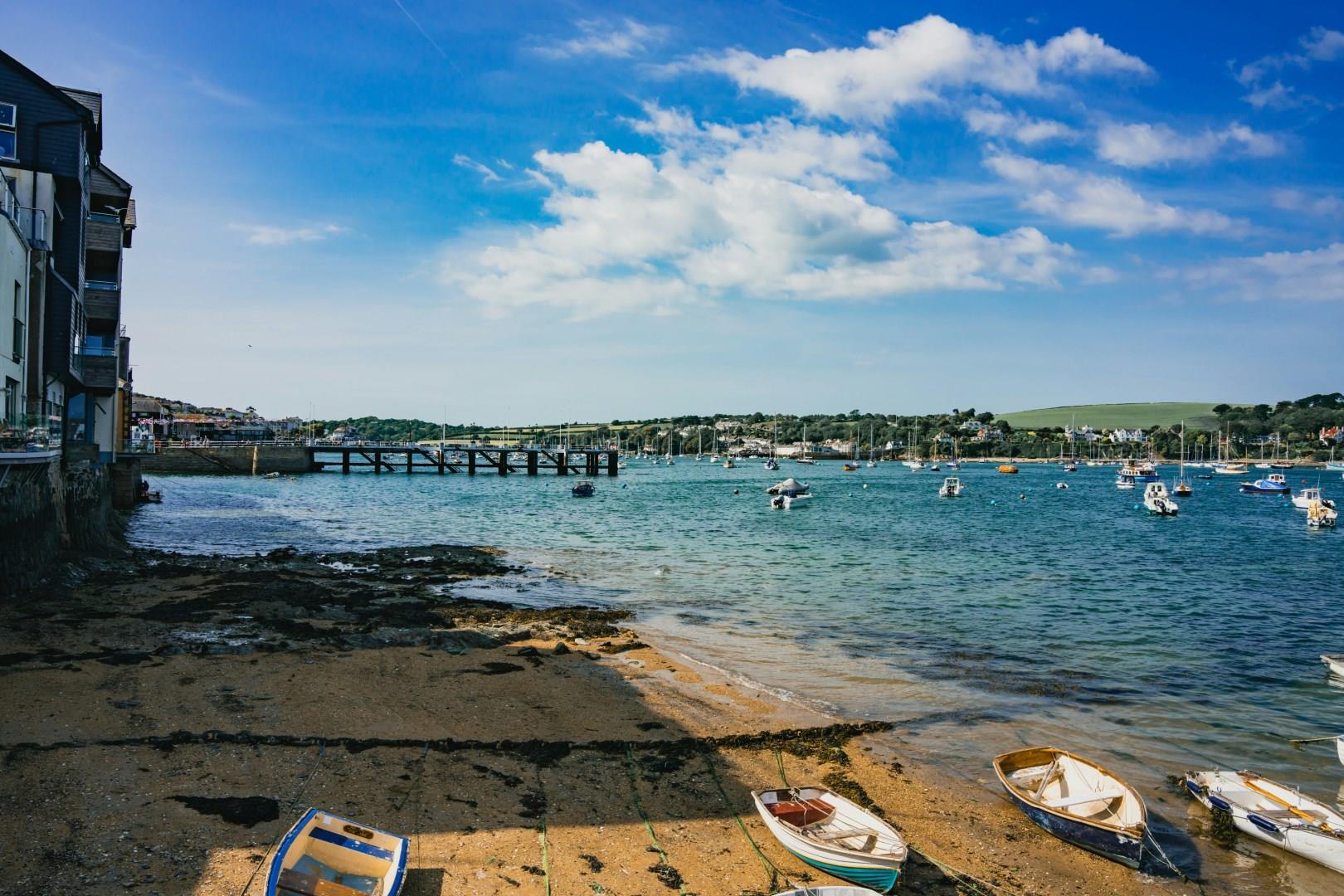
Falmouth, on Cornwall’s south coast, grew around one of the world’s largest natural harbors, a feature that has shaped its maritime identity for centuries. The town expanded during the age of sail, serving as a key port for packet ships, and landmarks like Pendennis Castle still anchor Falmouth firmly in its naval past.
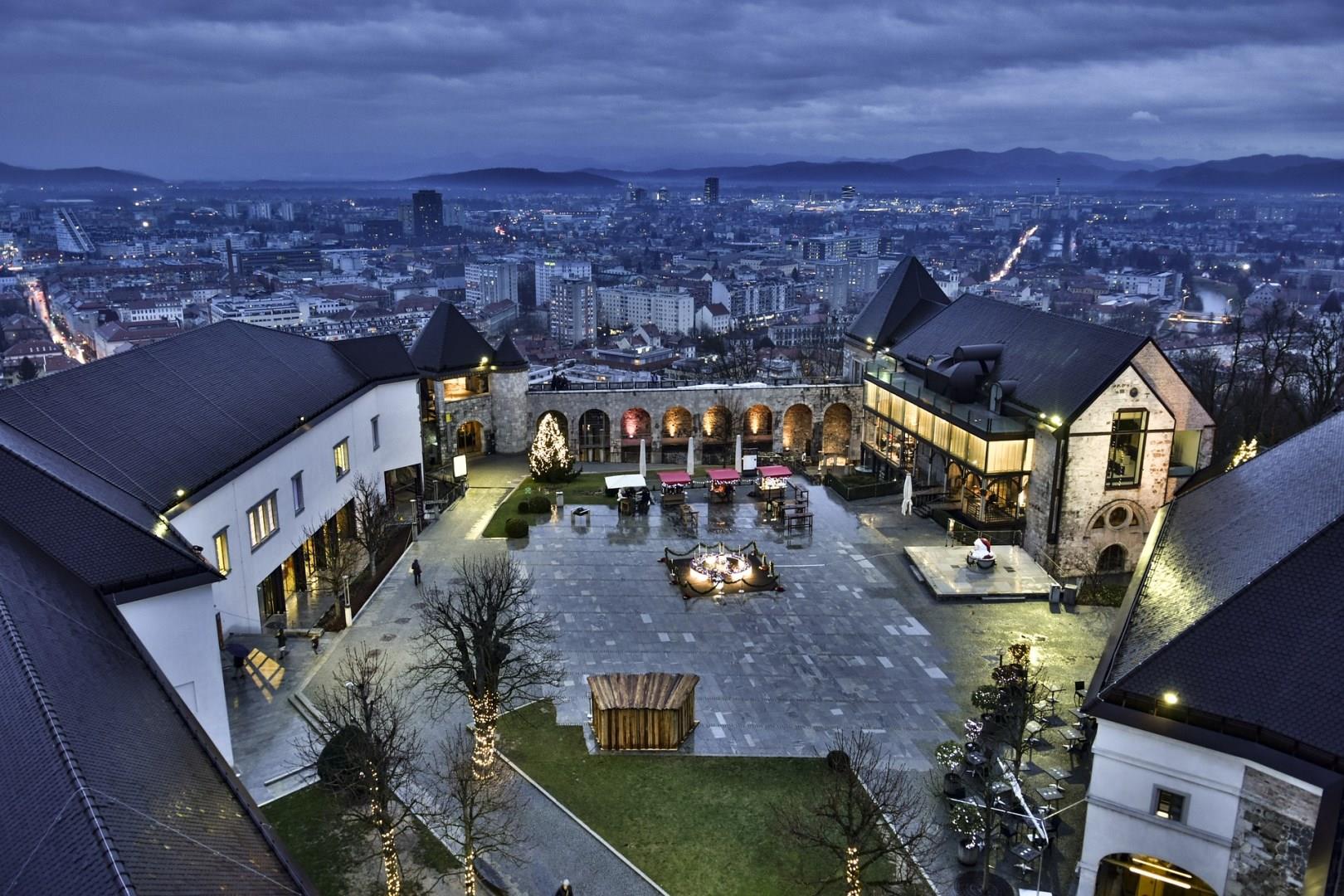
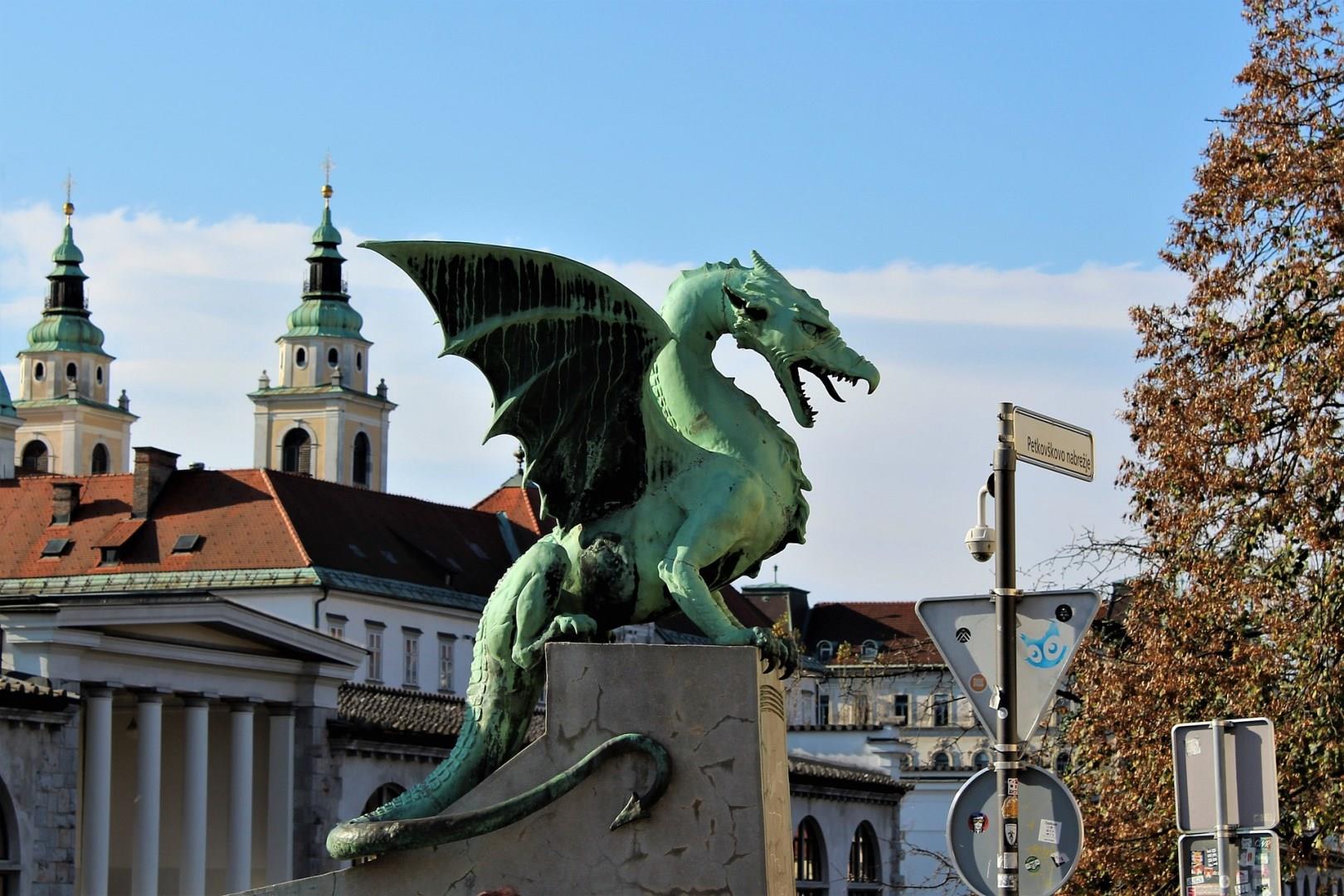
Ljubljana, Slovenia's charming capital, offers a delightful blend of historical allure and modern vibrancy. Nestled along the Ljubljanica River, this picturesque city invites visitors to explore its well-preserved medieval architecture and vibrant cultural scene. At the heart of Ljubljana is the iconic Ljubljana Castle, perched on a hilltop with stunning panoramic views of the city. This medieval fortress, dating back to the 11th century, houses several museums and hosts various cultural events. For more details, visit the Ljubljana Castle website.
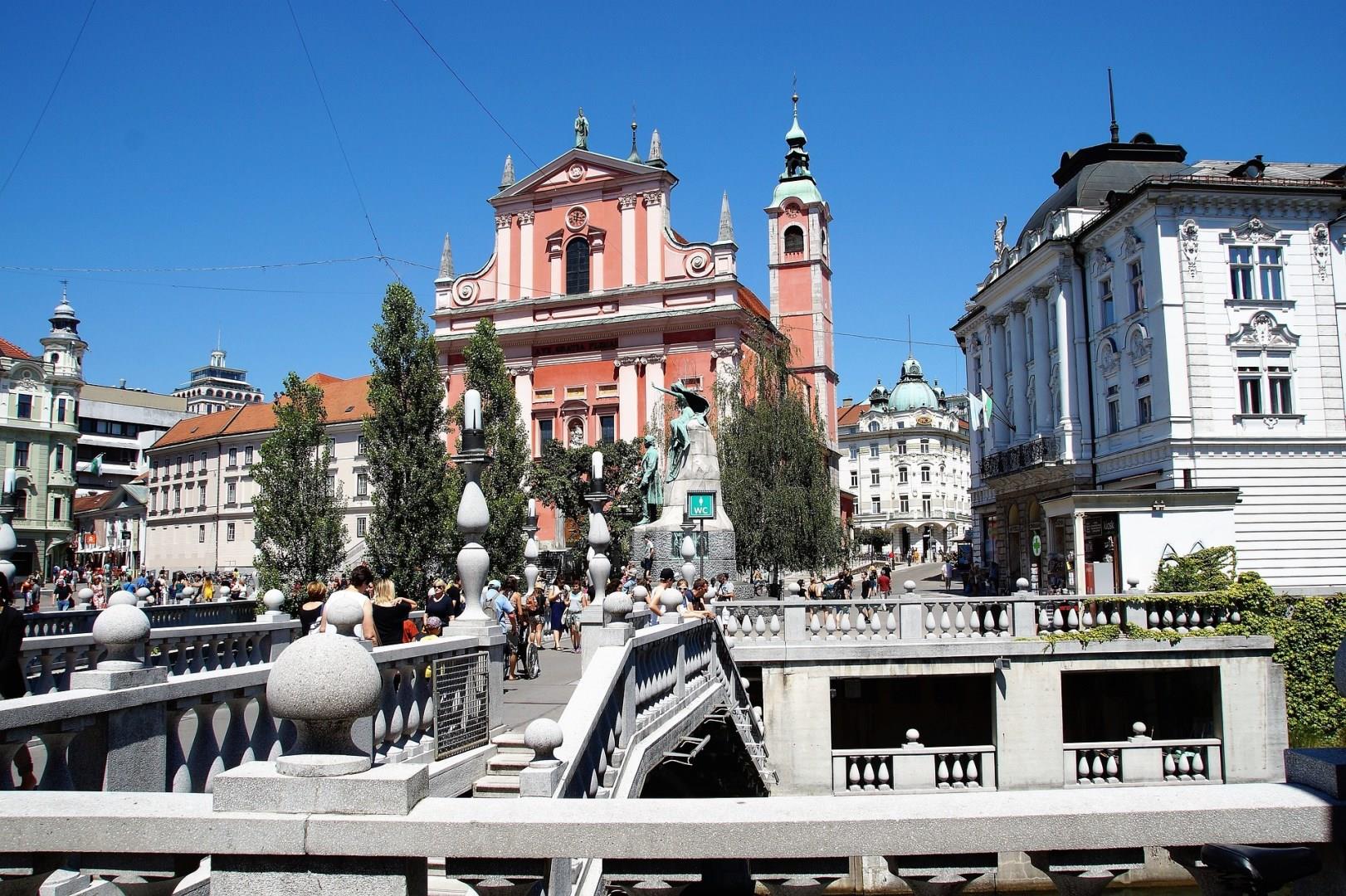
The city's center is renowned for its striking Art Nouveau architecture and charming bridges, including the famous Triple Bridge designed by architect Jože Plečnik. The lively atmosphere of Prešeren Square, named after Slovenia's greatest poet, is perfect for people-watching and soaking in the local ambiance. Adjacent to the square, you'll find the bustling Central Market, where local produce and artisanal goods are on offer. For a deeper dive into the architectural marvels of Ljubljana, check out Visit Ljubljana
Ljubljana's cultural offerings extend beyond architecture. The city's numerous museums, including the National Gallery and the Museum of Modern Art, showcase Slovenia's rich artistic heritage. Additionally, the Tivoli Park, Ljubljana's largest green space, provides a serene escape with its lush landscapes and scenic walking trails. The park's official page offers more insights into this beautiful retreat.
Fun Fact: Ljubljana was named the European Green Capital in 2016, reflecting its commitment to sustainability and eco-friendly practices. The city’s charming blend of green spaces and pedestrian-friendly streets makes it an excellent destination for those looking to explore in a relaxed and environmentally-conscious setting.