

Dominica
Dominica, known as the “Nature Island of the Caribbean,” is a haven for eco-tourists and adventure seekers. Nestled between the French islands of Guadeloupe and Martinique, this lush island boasts a remarkable landscape of volcanic mountains, dense rainforests, and stunning waterfalls. Dominica’s most iconic natural wonder is the Boiling Lake, the second-largest hot spring in the world.
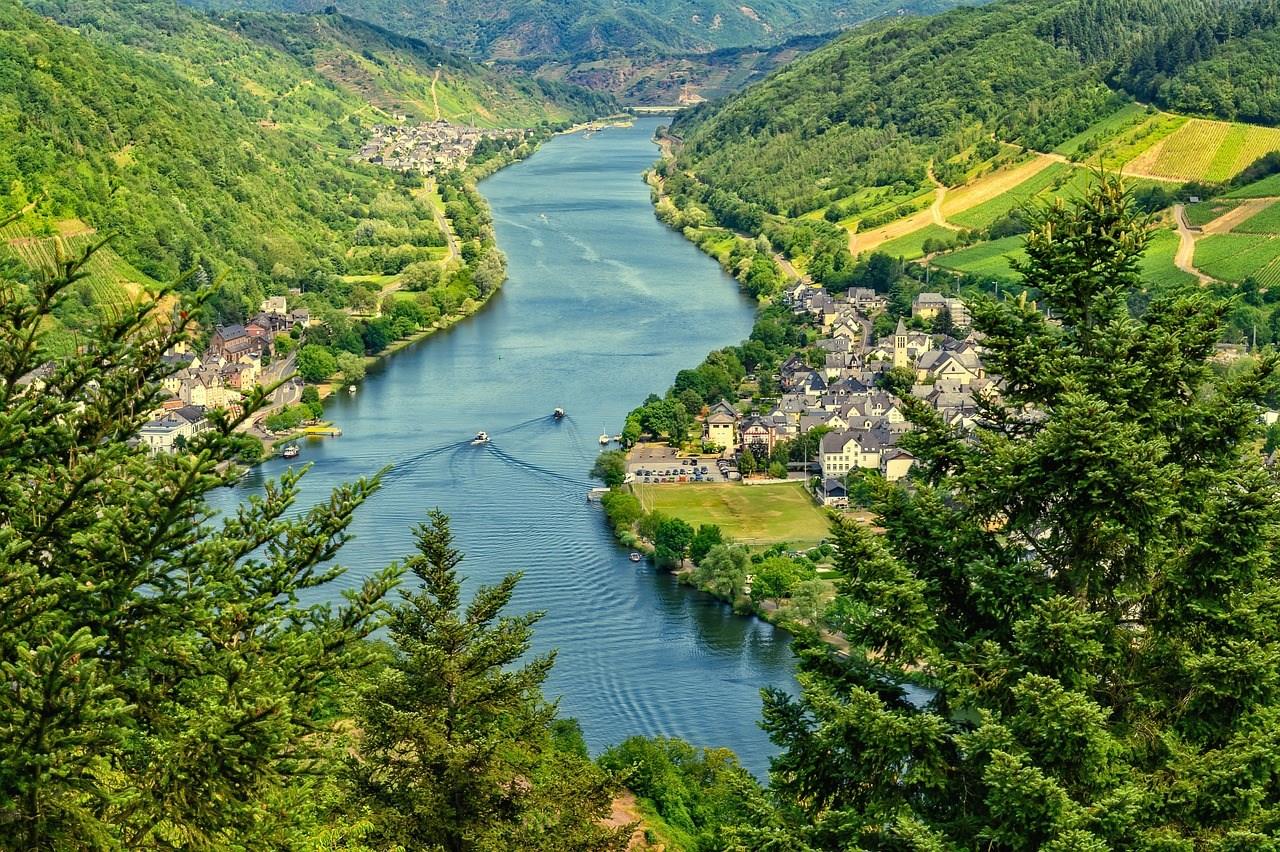
Moselle River
A tributary of the Rhine, the Moselle River flows through France, Luxembourg and Germany. The Moselle also lends its name to a region of France, a valley which it bisects, and a wine produced along its banks.

Kimberley
Whether trekking through rugged landscapes, cruising through river gorges, or learning about one of the world’s oldest cultures, the Kimberley offers a truly unique experience. It's a destination unlike any other, where nature and history come together in one of Australia’s most extraordinary regions.

Melk
Nestled along the south bank of the Danube, this historical Austrian city bursts with charm. A favorite stop on European river cruises, the city's most famous attraction is Melk Abbey, which dates back to the 11th century. The original Benedictine structure was lost to fires and foreign invasion, then rebuilt during the 18th century in lavish Baroque style, including a library and inner church covered in magnificent frescoes and gilded fixtures.
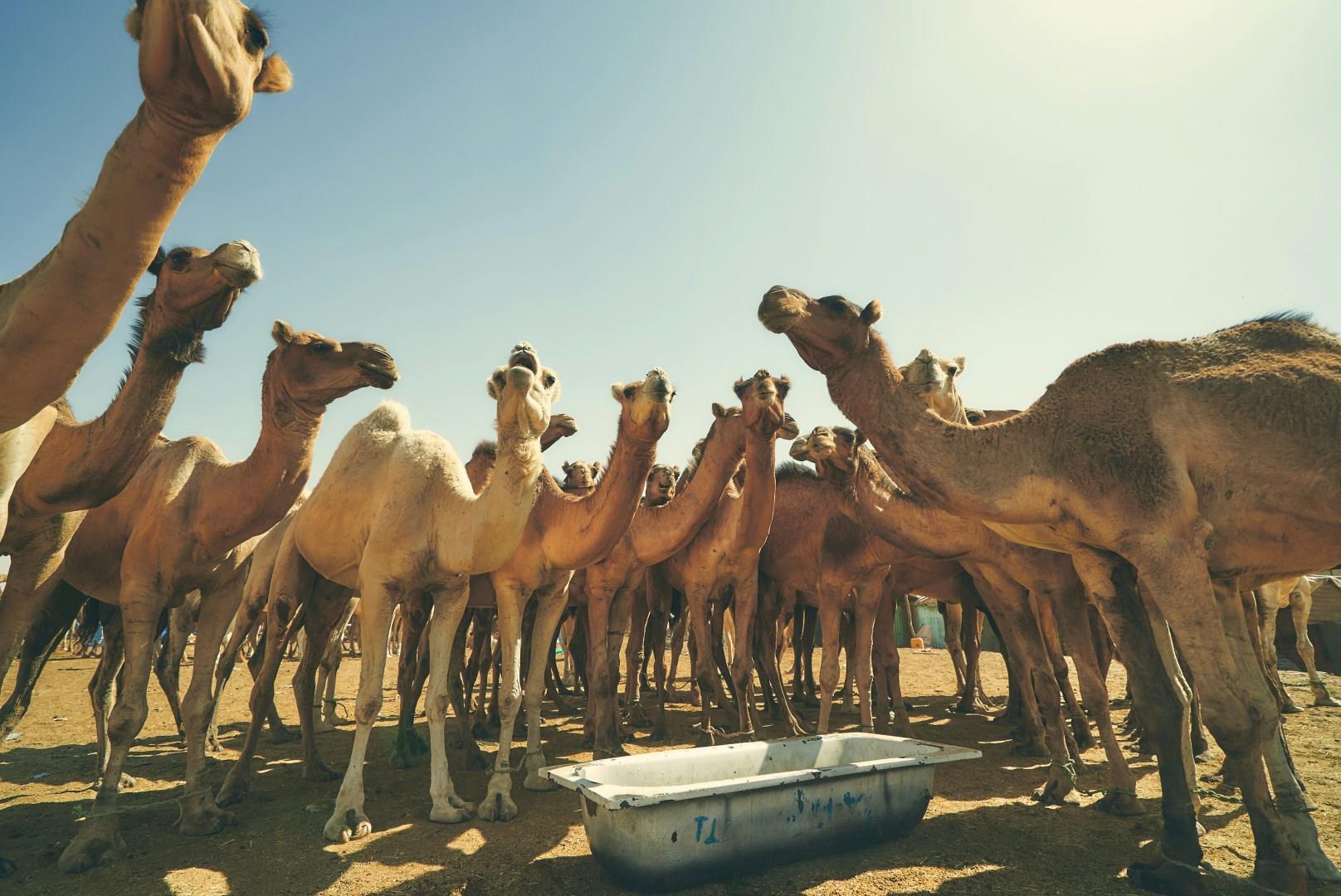
Nouakchott
Nouakchott, the capital of Mauritania, is a city that blends the desert’s quiet rhythms with the daily life of a growing urban center. Its coastal setting, unique cultural traditions, and access to the desert make Nouakchott both an introduction to Mauritania and a gateway to exploring the country further.


