

Dubrovnik
Dubrovnik, often hailed as the "Pearl of the Adriatic," is a city where history and stunning natural beauty converge. Enclosed within its ancient city walls, which are a UNESCO World Heritage Site, you’ll find a captivating blend of medieval architecture and vibrant culture. The city's Old Town is a maze of cobblestone streets, lined with baroque churches, Renaissance buildings, and charming squares.

Amalfi
Amalfi, Italy, is a gem nestled along the world-famous Amalfi Coast, where dramatic cliffs meet the shimmering Mediterranean Sea. This enchanting town, once a powerful maritime republic, is now a beloved destination for those seeking a blend of history, culture, and breathtaking natural beauty. The heart of Amalfi is its bustling Piazza del Duomo, dominated by the stunning Amalfi Cathedral.

Sihanoukville
Nestled along Cambodia’s picturesque coastline, Sihanoukville offers an inviting retreat with its stunning beaches and vibrant culture. This coastal city, named after King Norodom Sihanouk, is renowned for its pristine white sand beaches and turquoise waters.
Podgorica
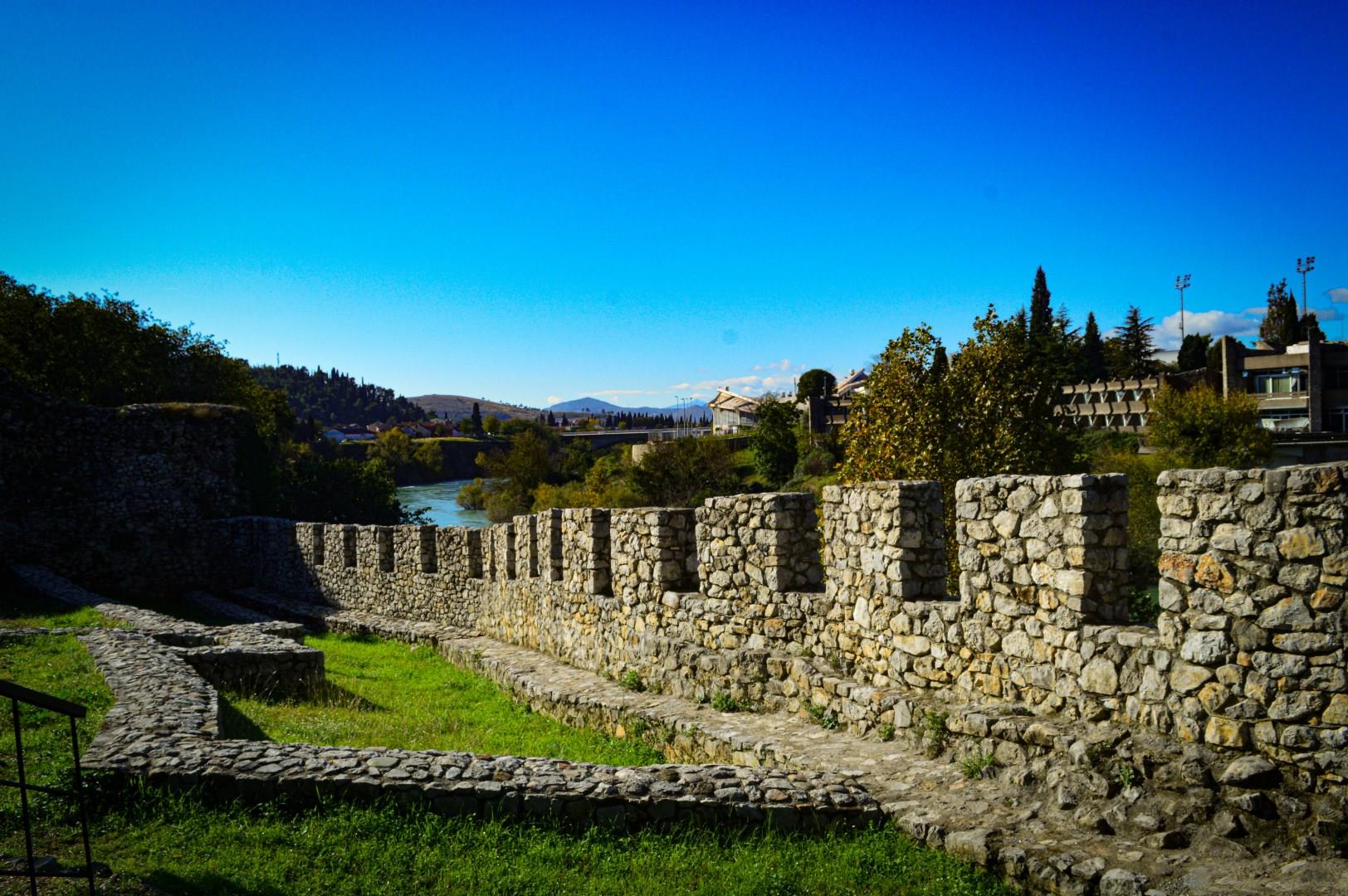
Podgorica, the capital of Montenegro, showcases the country’s contrasting landscapes and deep-rooted history. Although much of the city was rebuilt after World War II, traces of its Roman and Ottoman past still remain. Visitors can explore the ruins of Doclea, a Roman settlement just outside the city, where surviving columns and mosaics give a glimpse into life nearly two millennia ago.
Weymouth
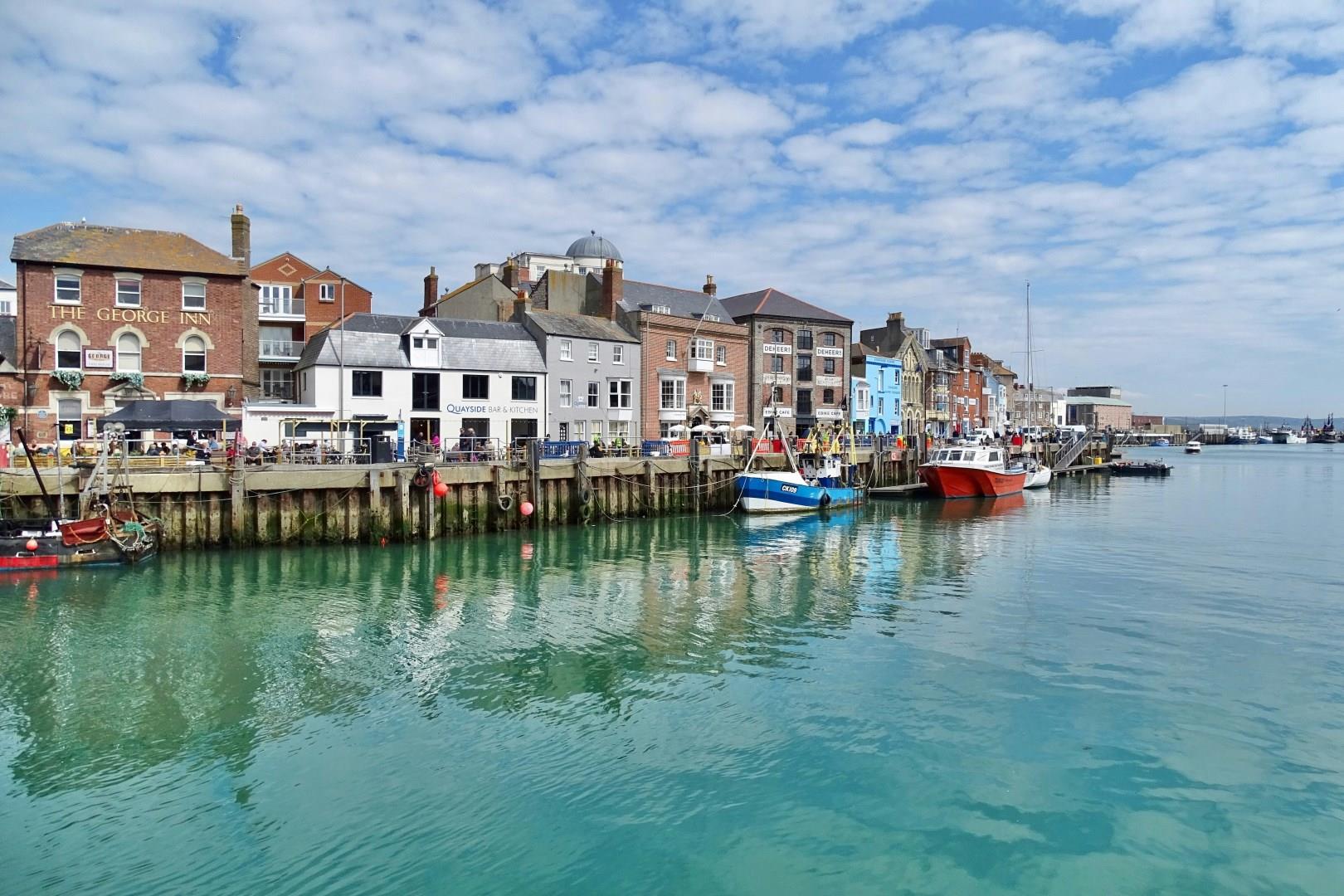
Weymouth is a seaside town on England’s Jurassic Coast, where a long tradition of maritime life meets a relaxed, lived-in shoreline. Its broad sandy beach curves gently around the bay, sheltered by the Isle of Portland, making it one of the south coast’s most approachable places for swimming and coastal walks.


