
San Blas
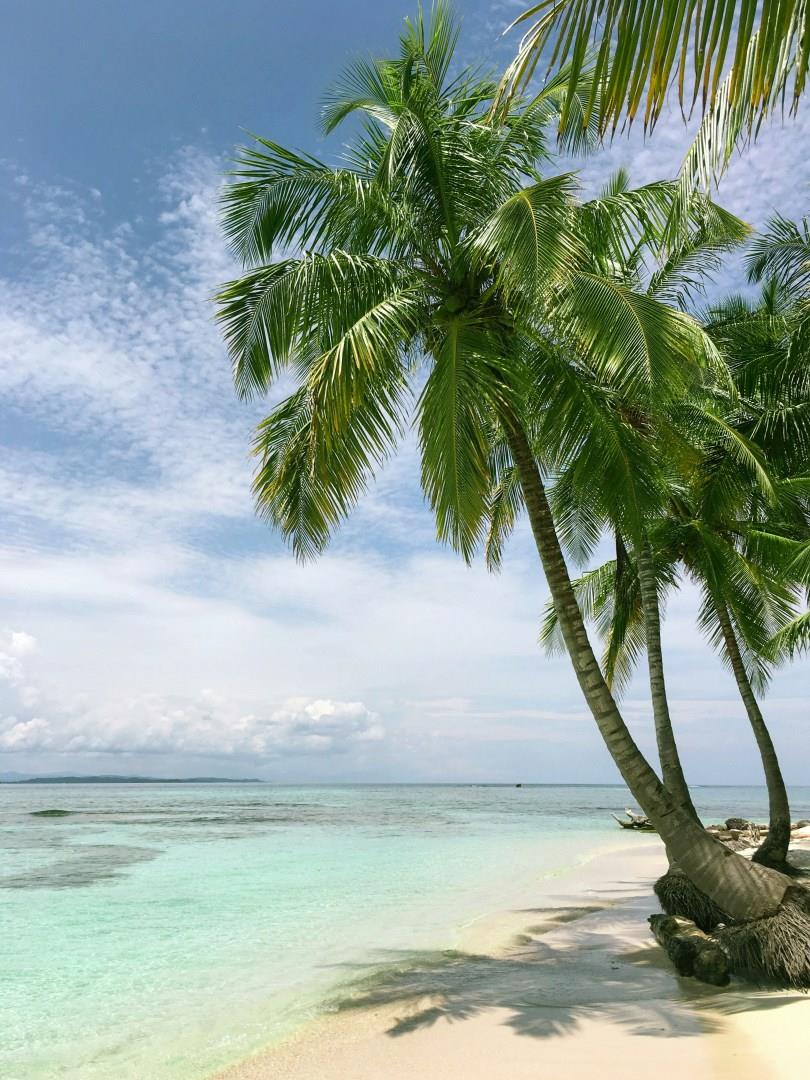
San Blas, Panama, known locally as Guna Yala, is a paradise of untouched beauty and indigenous culture, nestled along Panama's Caribbean coast. Comprising an archipelago of over 365 islands, San Blas offers a new adventure for every day of the year. Crystal-clear turquoise waters, pristine white sand beaches, and coral reefs teeming with marine life make it a haven for snorkeling, diving, and sailing enthusiasts.

Maceio
Located on the central coast of the Atlantic this area has fabulous beaches and transparent green water and is a popular resort destination.
North Conway
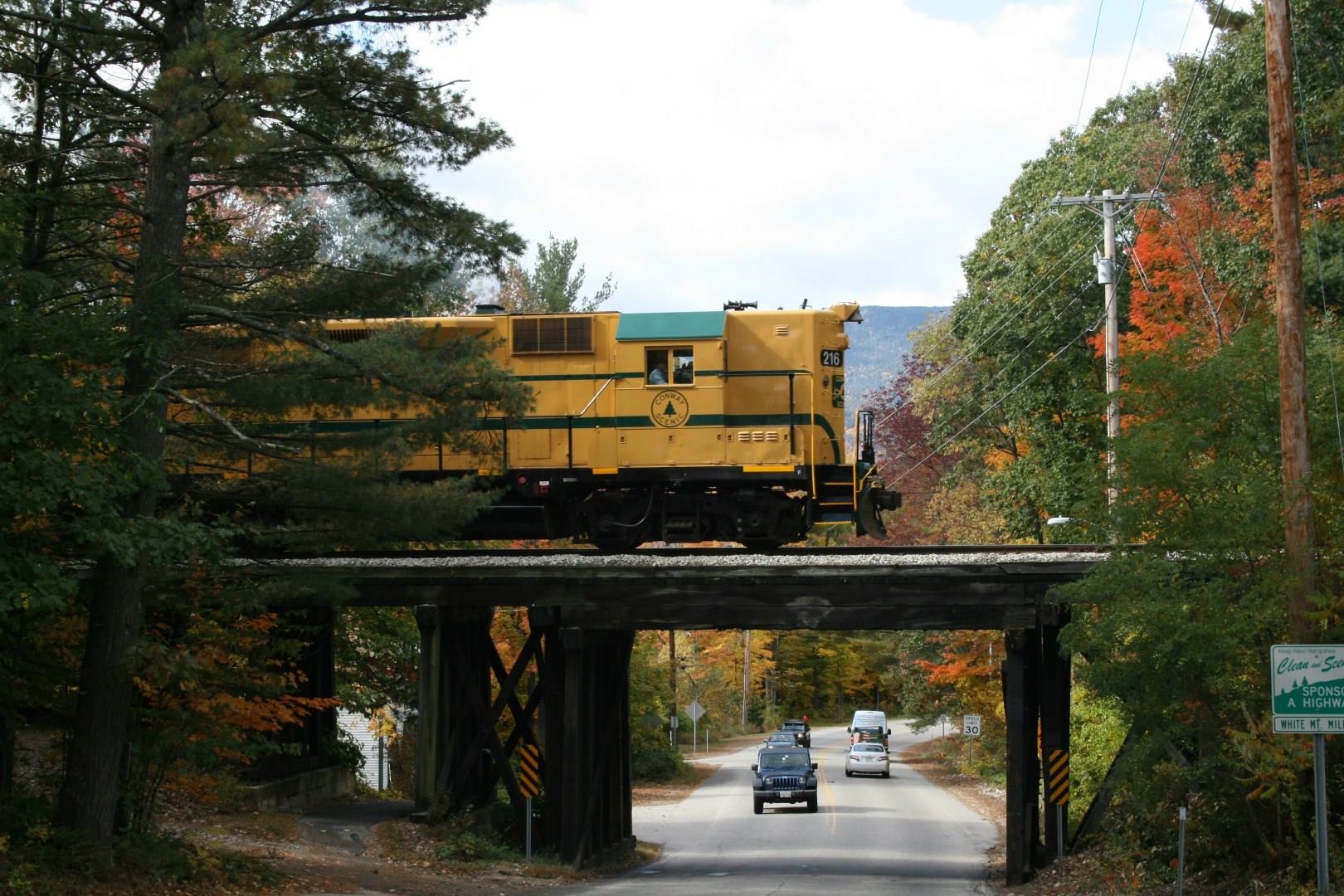
North Conway, located in New Hampshire’s Mount Washington Valley, has drawn visitors since the mid-19th century, when artists from the White Mountain School began painting its dramatic landscapes. Today, the area still offers scenic appeal, anchored by the towering presence of Mount Washington, the tallest peak in the northeastern U.S. Historic photographs and lithographs of North Conway hang in galleries downtown, showing just how little the iconic views have changed in over 150 years.
Akureyri
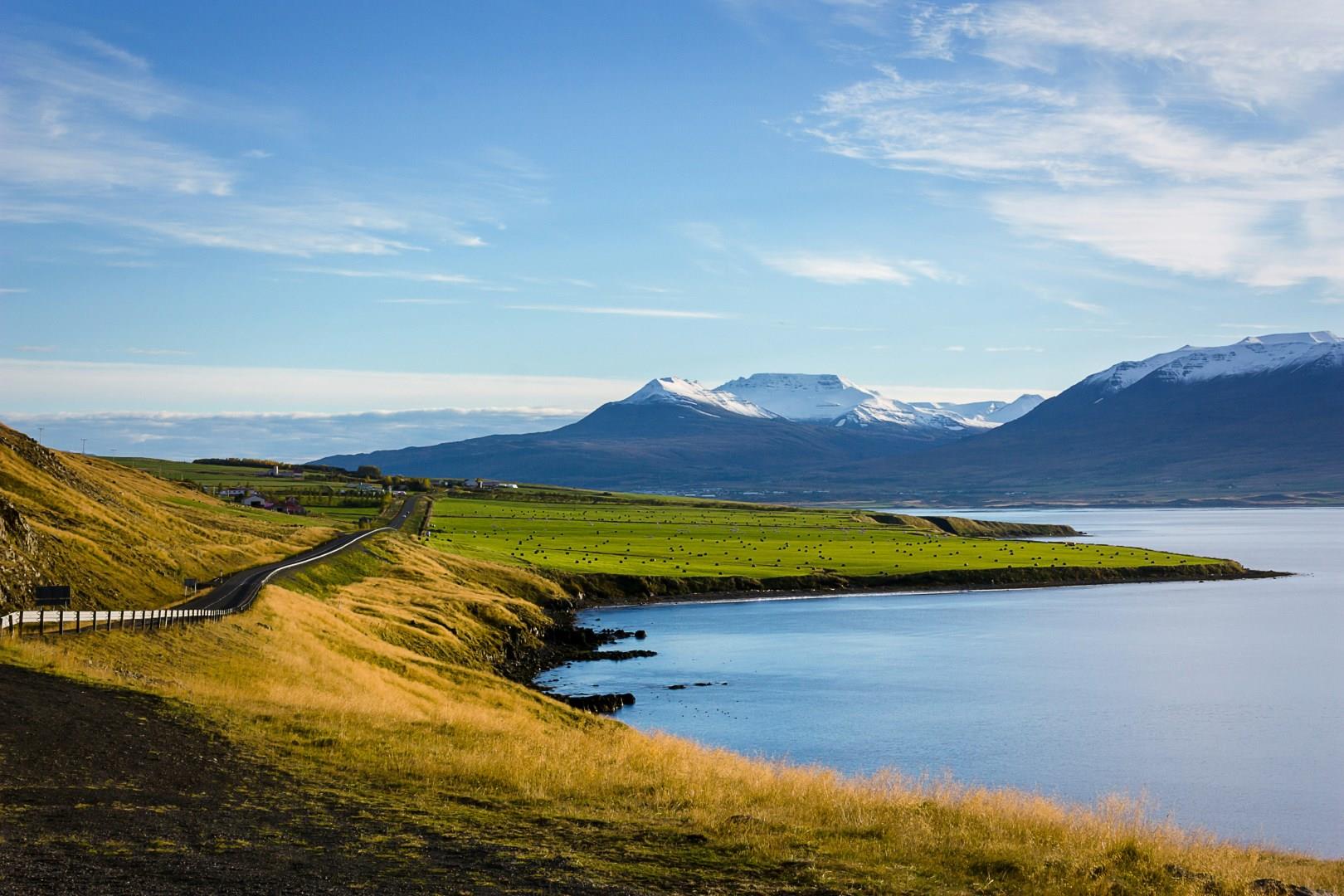
Akureyri, often referred to as the capital of North Iceland, offers travelers a distinct experience shaped by its Arctic location and rich local culture. Nestled at the base of Eyjafjörður fjord, the town has served as a trading center since the 1600s and continues to thrive with a mix of fishing, arts, and tourism. Within a few hours’ drive, visitors can reach the geothermal fields of Hverir, the volcanic craters at Lake Mývatn, and the powerful Goðafoss waterfall.

Cape Town
Cape Town, located at the southern tip of South Africa, is one of the world’s most striking coastal cities. Towering over it is Table Mountain, a flat-topped landmark that can be reached by cable car or on foot, offering sweeping views of the city, ocean, and beyond.


