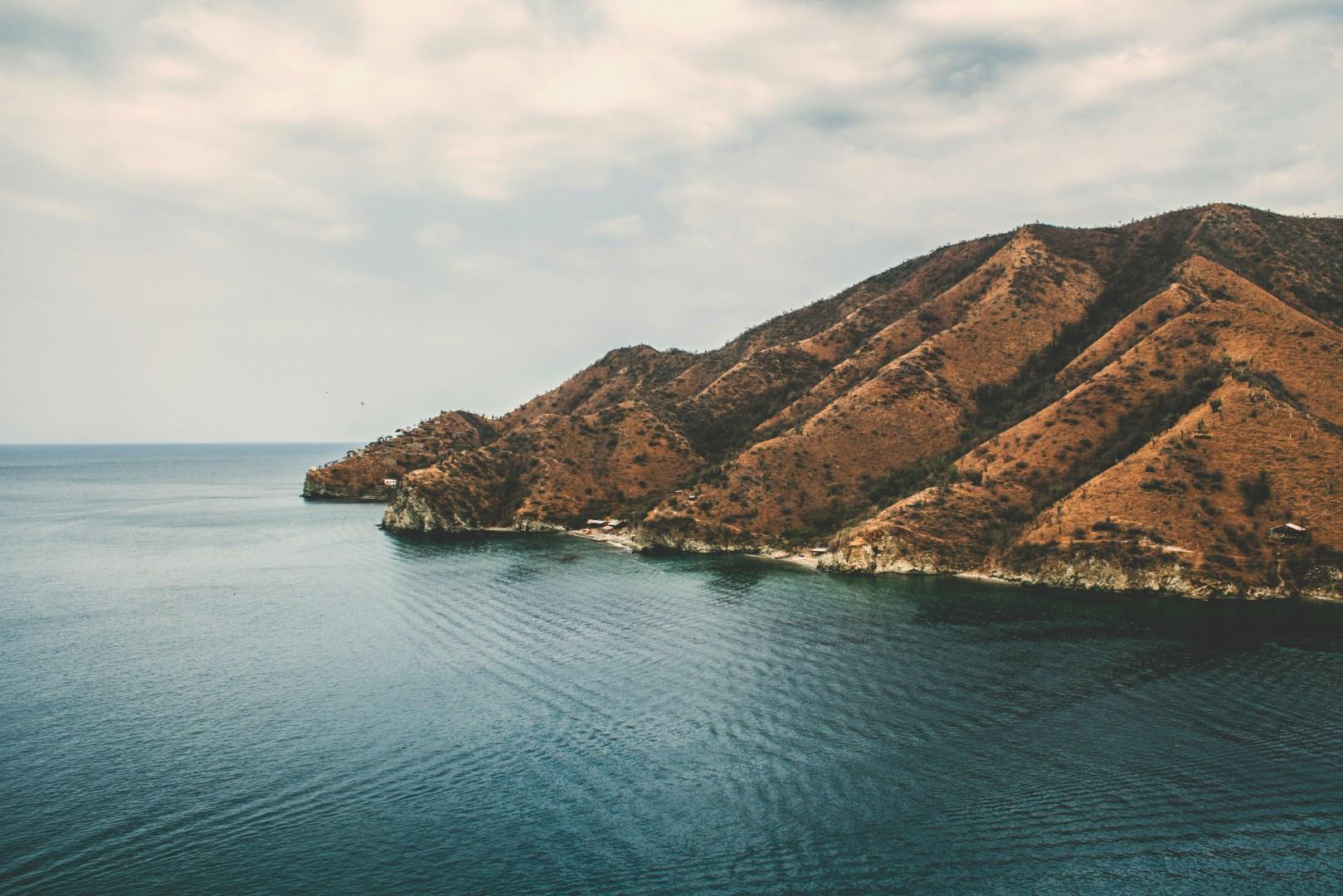
Santa Marta
Santa Marta, located on Colombia’s northern Caribbean coast, is one of the country’s oldest cities, founded in 1525. It has long served as a gateway between the coast and the Sierra Nevada de Santa Marta, the world’s highest coastal mountain range.
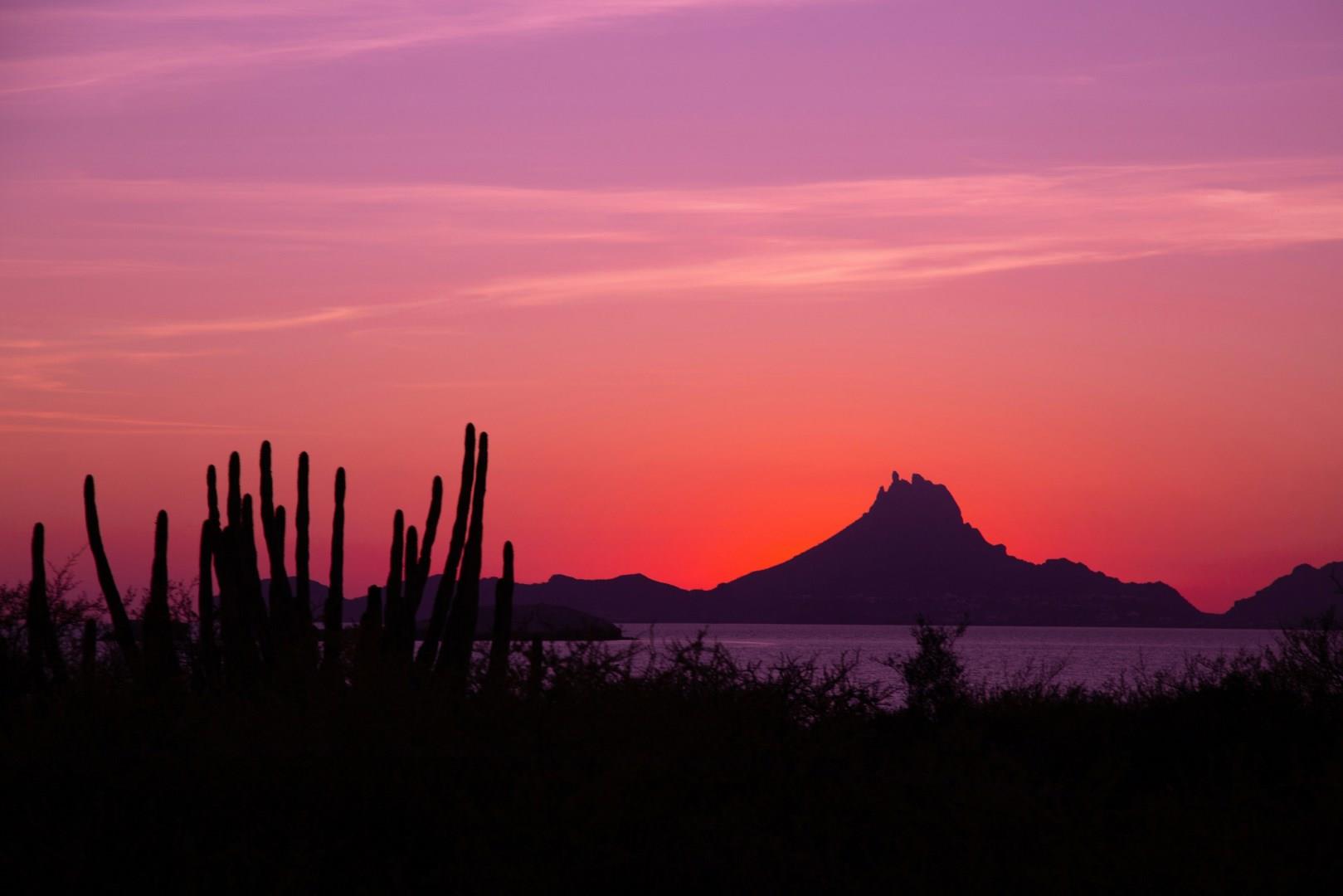
Guaymas
Guaymas lies along the Gulf of California in the Mexican state of Sonora, shaped by its role as a working port rather than a resort city.

Ishasha
Ishasha, a hidden gem in southwestern Uganda, offers travelers a serene yet thrilling experience within Queen Elizabeth National Park. Known for its famous tree-climbing lions, this remote section of the park attracts wildlife enthusiasts eager to witness these majestic creatures lounging in the branches of fig and acacia trees. The landscape of Ishasha is stunning, with vast savannahs stretching out towards the horizon, dotted with rivers that attract herds of elephants, buffalo, and antelopes.

Quebec
Quebec is a province where the old meets the new in the most exciting way, with each of its diverse cities offering a distinct experience for travelers. It is a melting pot of French and English heritage, and this duality can be seen in its art, music, and festivals.
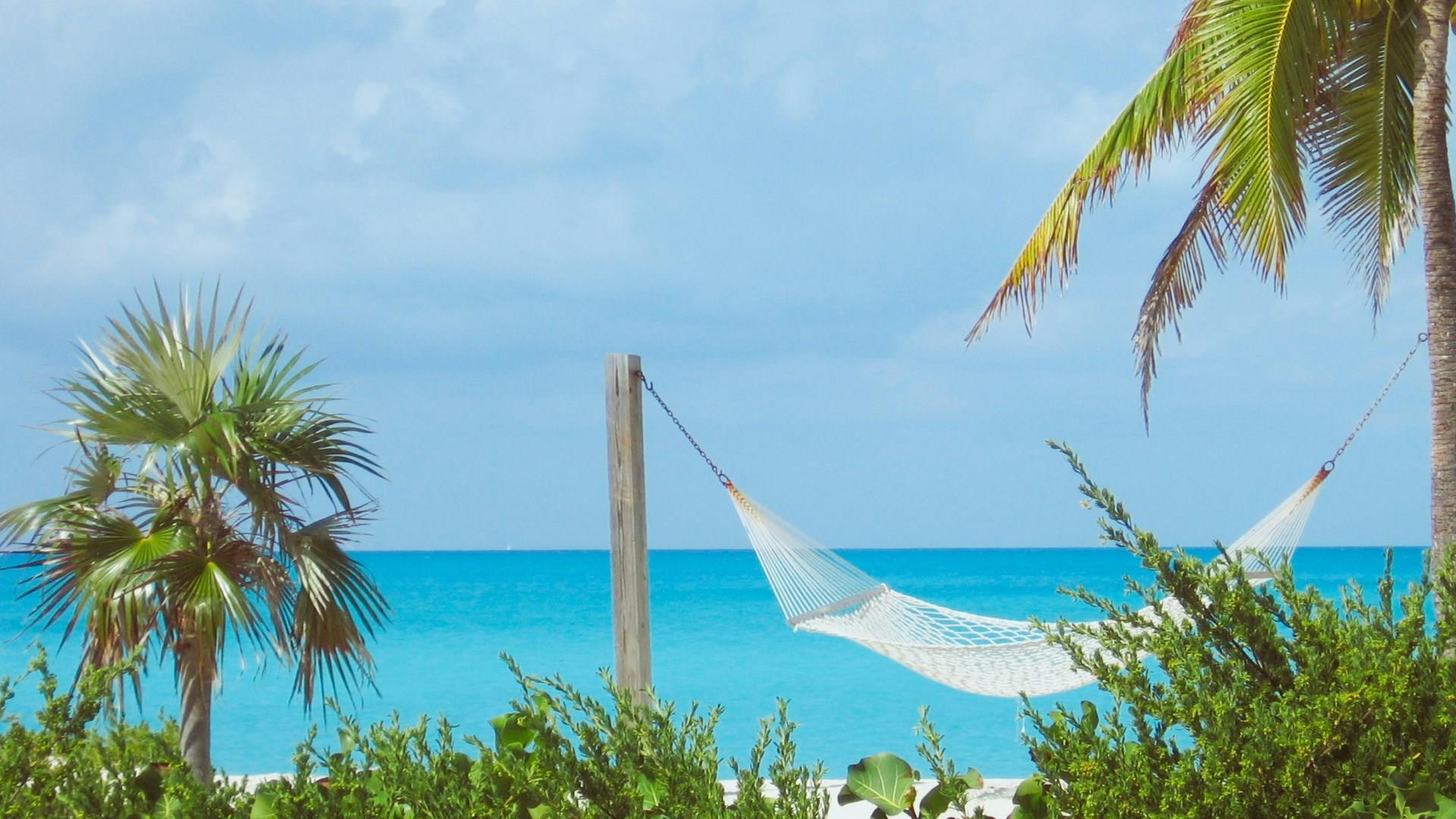
Cat Island
Cat Island, one of the more unspoiled Out Islands of The Bahamas, is a destination that feels worlds away from the busier resort hubs. Stretching about 50 miles long, the island is lined with pink-sand beaches, rolling green hills, and quiet fishing villages where time seems to stand still.