Funchal
Nestled on the sun-drenched southern coast of Madeira, Funchal, the island's capital, offers an enchanting mix of old-world charm, vibrant culture, and natural beauty. This picturesque city, set against a backdrop of rugged mountains and the deep blue Atlantic Ocean, is known for its lush botanical gardens, stunning vistas, and year-round mild climate.
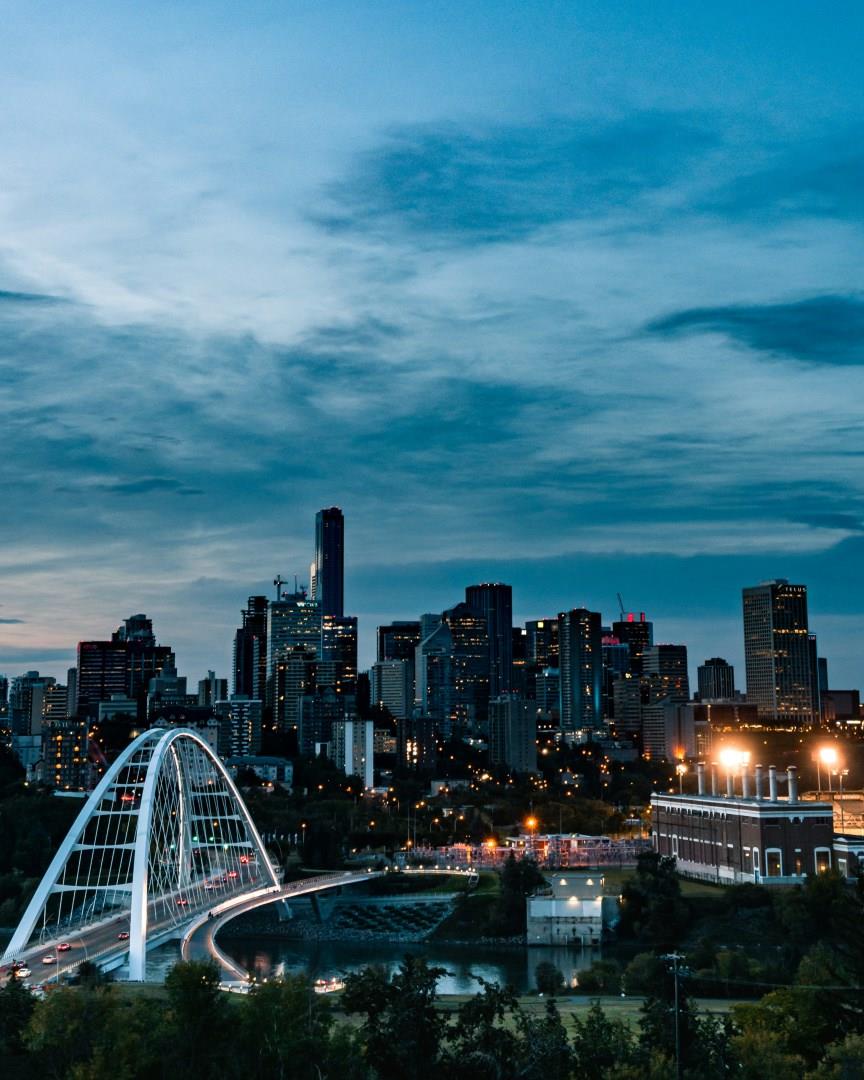
Edmonton
Edmonton, the capital of Alberta, is a city shaped by the meeting of prairie landscapes and the powerful North Saskatchewan River. With deep Indigenous roots and a history tied to fur trading posts, it has grown into a cultural and political hub of Western Canada.

Dominica
Dominica, known as the “Nature Island of the Caribbean,” is a haven for eco-tourists and adventure seekers. Nestled between the French islands of Guadeloupe and Martinique, this lush island boasts a remarkable landscape of volcanic mountains, dense rainforests, and stunning waterfalls. Dominica’s most iconic natural wonder is the Boiling Lake, the second-largest hot spring in the world.

Kolkata
Kolkata, often referred to as the "City of Joy," is a mesmerizing blend of rich history, culture, and artistic heritage that makes it a must-visit destination for any traveler to India. Once the capital of British India, Kolkata retains much of its colonial-era charm with iconic landmarks like the Victoria Memorial, a stunning marble building surrounded by lush gardens, which now serves as a museum showcasing the city’s colonial and Indian history.
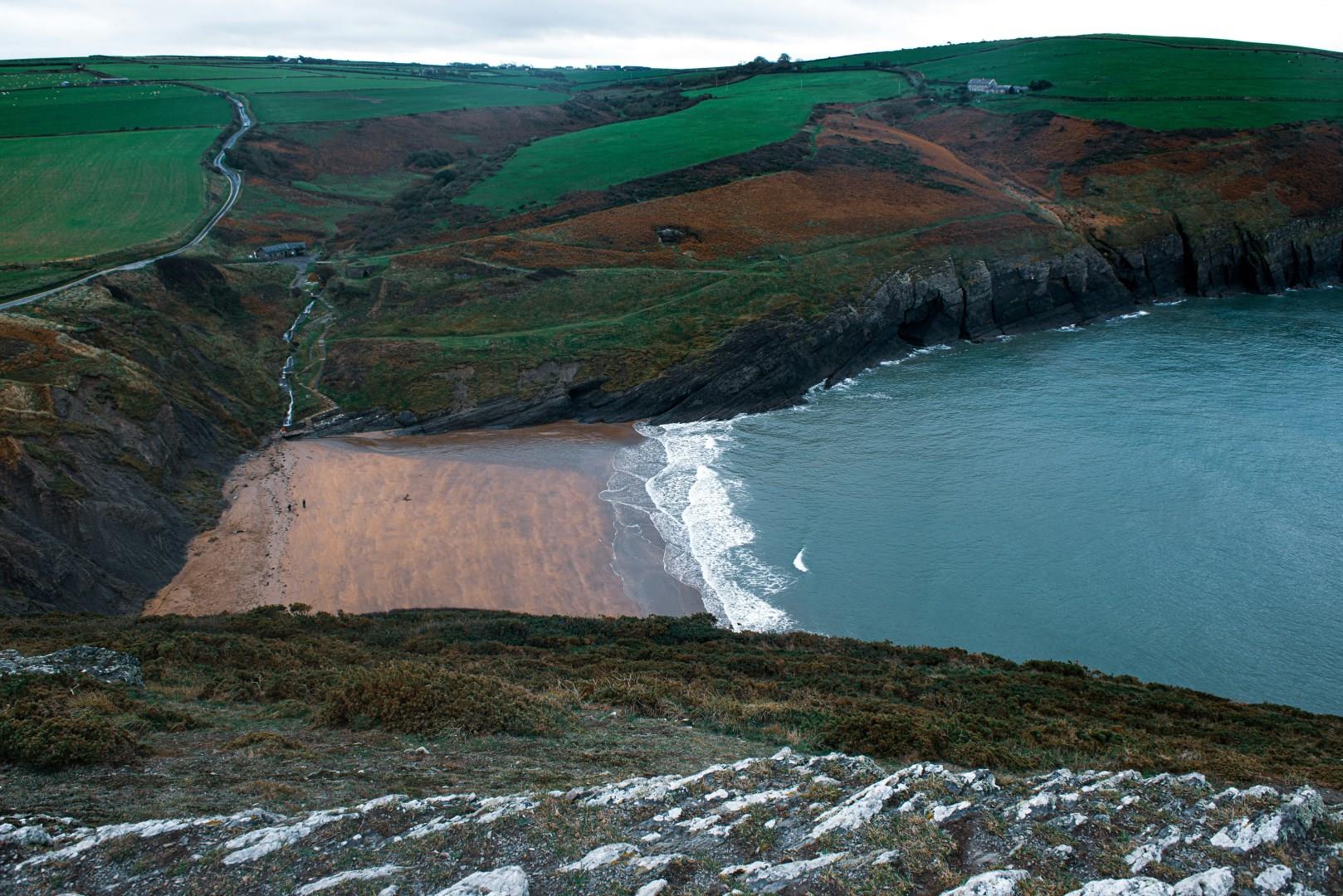
Cardigan
Cardigan sits on the west coast of Wales, where the River Teifi reaches the wide sweep of Cardigan Bay. At the heart of town stands Cardigan Castle, where battlements and gardens overlook the Teifi. The castle’s history includes the first recorded National Eisteddfod in Wales, a cultural competition of music, poetry and performance that still inspires events across the country.