Fish River Canyon
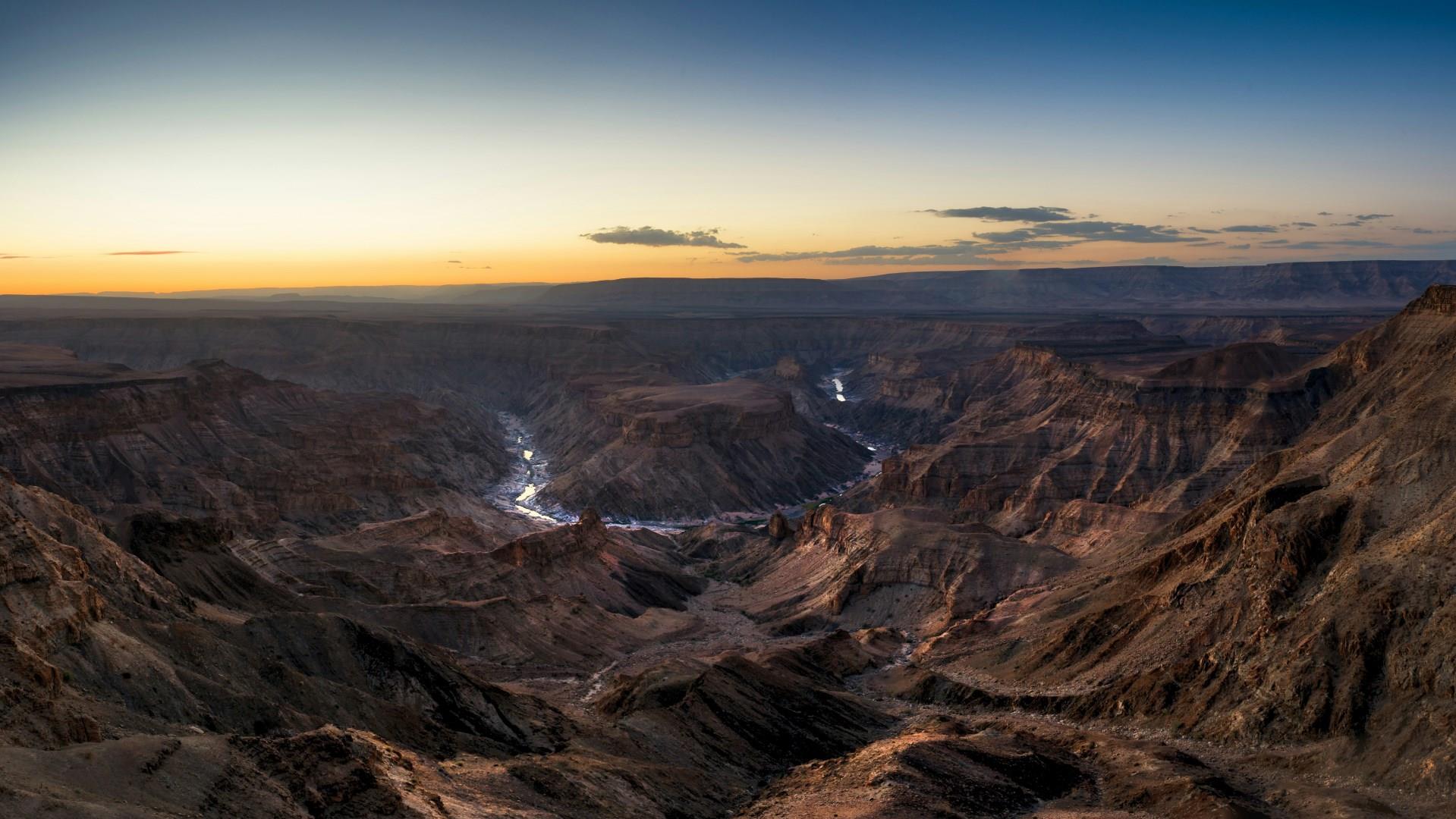
The Fish River Canyon in southern Namibia is one of the planet’s most remarkable landforms, stretching across vast terrain in the Richtersveld Transfrontier Park. It is one of Africa’s largest canyons, carved over millions of years by the Fish River as it etched a deep, twisting gorge into the desert plateau. From high viewpoints like Hell’s Bend, visitors can see layers of rock dropping away to reveal ridges and ravines that seem to go on forever, all under wide, open skies.

Mykonos
This gorgeous, breezy island is a lively paradise without equal. A celebratory atmosphere will be found here, from dance clubs and DJs to summer tourists simply reveling in the good life.
Dambulla
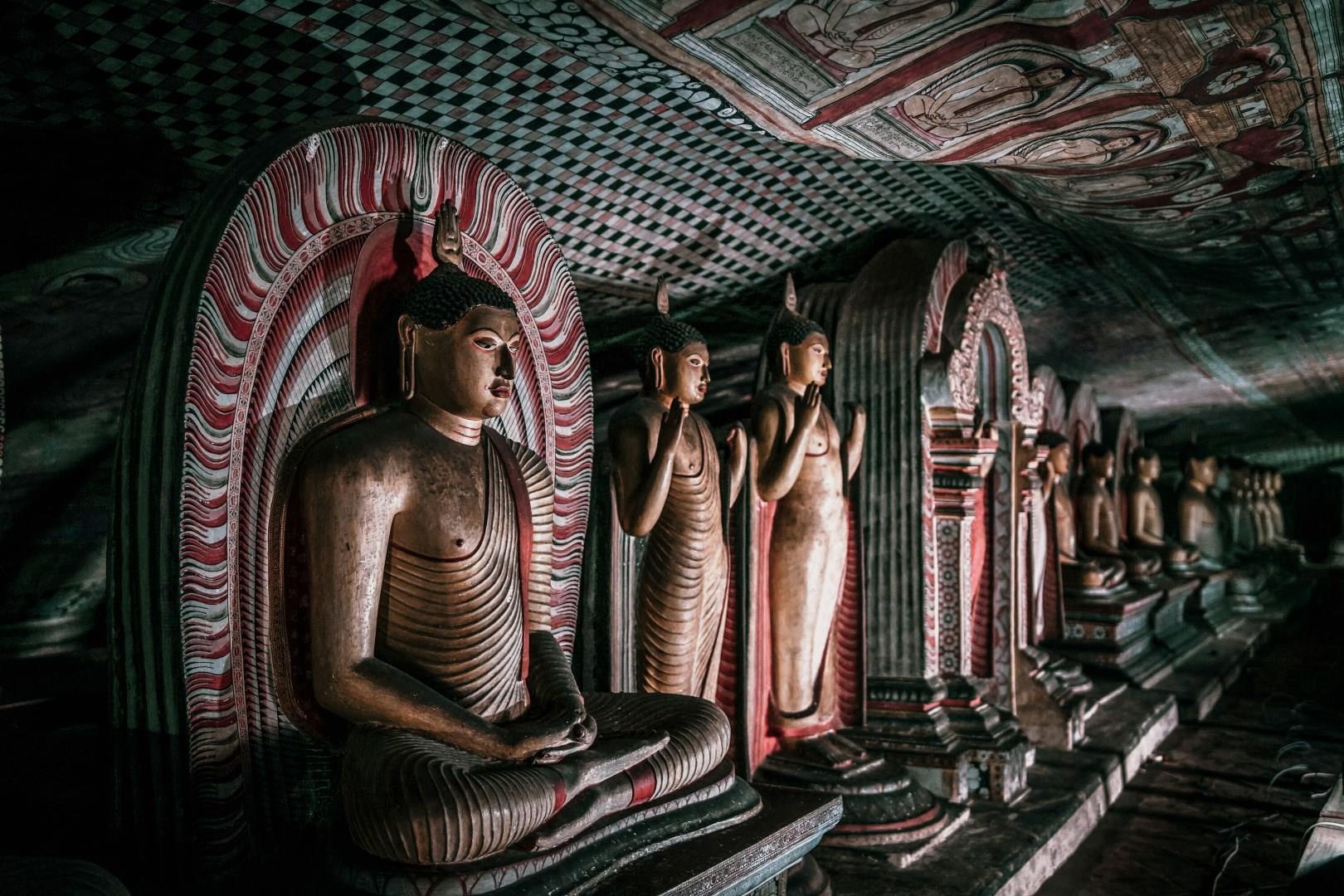
Dambulla, situated in the Central Province of Sri Lanka, is best known for its rock temple complex that has been in use for over two thousand years. The Dambulla Cave Temple, also called the Golden Temple of Dambulla, is made up of five caves carved into a granite outcrop, filled with over 150 Buddha statues and intricate wall paintings. These caves were first used by King Valagamba in the 1st century BCE as a refuge during exile, and later transformed into a sacred site.

Prince Edward Island
Located in the Gulf of St. Lawrence in southeastern Canada, Prince Edward Island has been nicknamed "The Garden of the Gulf." It was founded in 1534 by French Explorer Jacques Cartier and is primarily a fishing center and summer tourist destination.

Queen Elizabeth National Park
Queen Elizabeth National Park, in western Uganda, is one of East Africa’s most diverse and scenic protected areas. Stretching from the Rwenzori Mountains to the shores of Lake Edward, the park encompasses savannah, wetlands, and dense forests, making it a sanctuary for an incredible array of wildlife.