Kamloops, located in the interior of British Columbia, sits at the meeting point of the North and South Thompson Rivers. The name comes from the Secwépemc word “Tk’emlúps,” meaning "where the rivers meet," and the area has been a gathering place for Indigenous communities for thousands of years. Today, visitors can explore this rich cultural heritage at the Secwépemc Museum and Heritage Park, where trails lead through archaeological sites and reconstructed pit houses.
Bwindi Impenetrable National Park, located in southwestern Uganda, is one of Africa’s most extraordinary natural treasures. Its dense rainforest, often draped in mist, shelters a wealth of biodiversity and has been recognized as a UNESCO World Heritage Site for both its ecological significance and natural beauty. This ancient forest is among the few places on earth where travelers can come face-to-face with mountain gorillas in their natural habitat.
Cairns is the majestic entrance to Australia's Great Barrier Reef. This warm, tropical destination is located in Far North Queensland. Must-see attractions in Cairns include the Tjapukai Aboriginal Cultural Park, which educates tourists about indigenous peoples, and restaurant and bar-dotted Cairns Esplanade, which has a lagoon for swimming.
Oregon invites travelers to experience landscapes and stories that shift dramatically from one region to the next. In the south, Crater Lake National Park holds the title of deepest lake in the U.S., formed inside the remains of an ancient volcano. With its intense blue color and dramatic cliffs, the lake draws visitors year-round for hiking, snowshoeing, or simply standing in awe.
Novi Sad, Serbia’s second-largest city, sits along the banks of the Danube River and has long served as a cultural meeting point in the Balkans. Its centerpiece is Petrovaradin Fortress, a massive 18th-century stronghold nicknamed the "Gibraltar on the Danube." The fortress is known not just for its historic architecture but also for its network of underground tunnels and the iconic clock tower where the hands are reversed, meaning the large hand shows the hour.
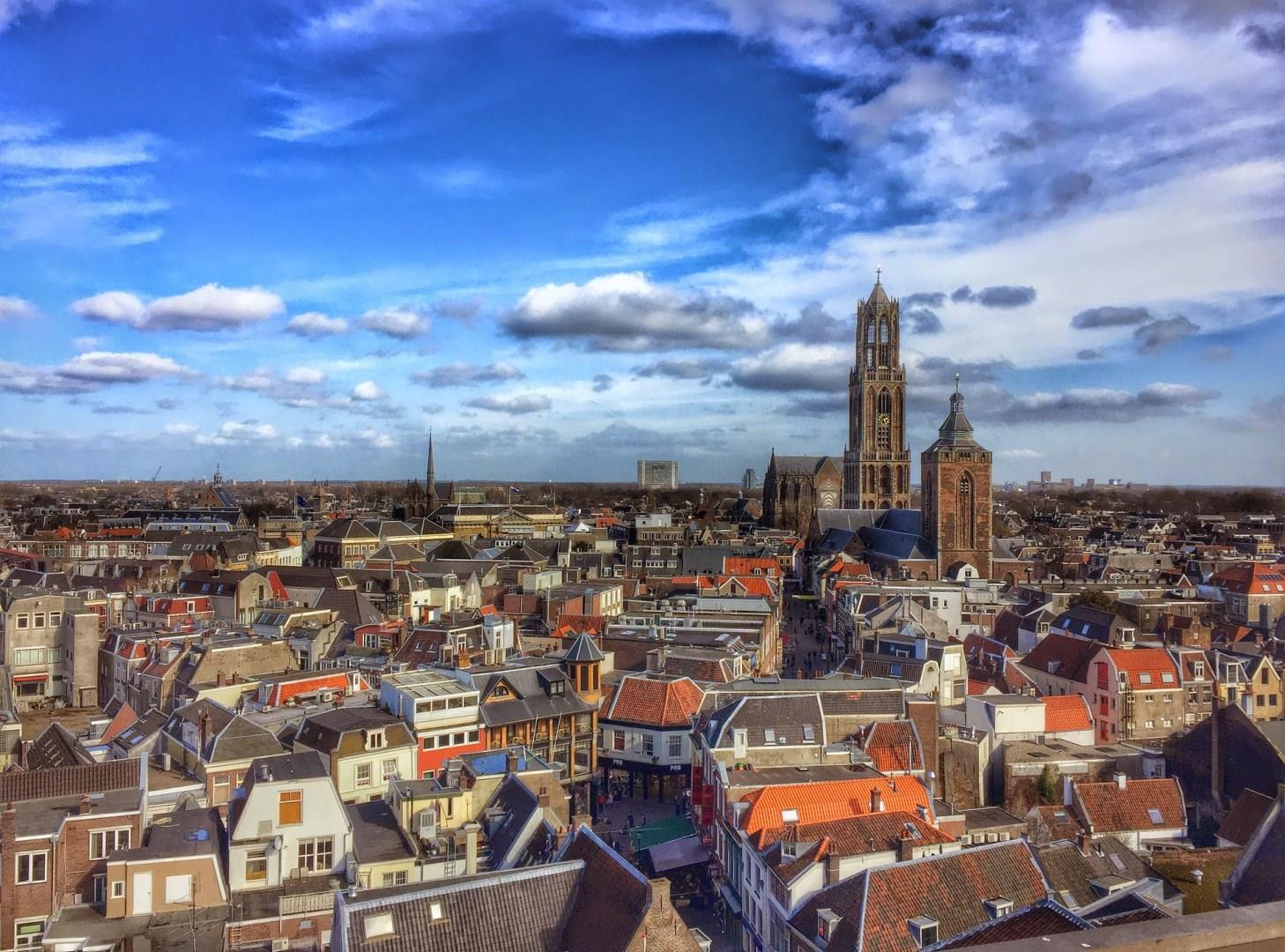
Utrecht, a charming city in the Netherlands, offers a captivating blend of history, culture, and modern vibrancy. Dominated by its striking Dom Tower, the tallest church tower in the Netherlands, Utrecht invites visitors to climb its 465 steps for panoramic views of the city and the surrounding countryside. This iconic landmark, part of the Dom Church, is a remnant of the medieval era, reflecting Utrecht’s rich historical tapestry.
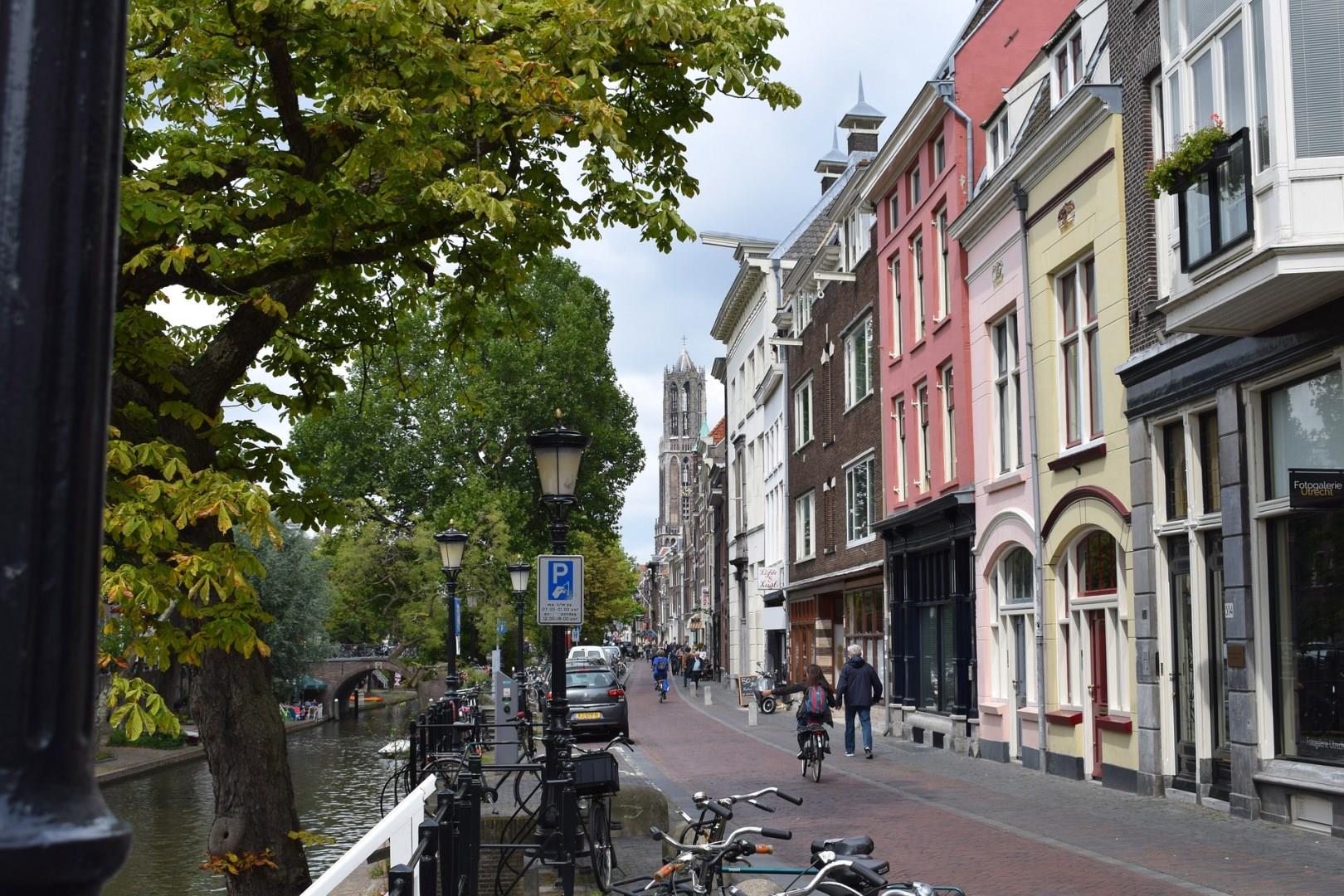
The city’s picturesque canals, lined with unique wharfs and charming cafes, create an enchanting atmosphere. Utrecht’s Old Canal, with its distinctive lower-level quays, is a favorite spot for a leisurely stroll or a boat tour. The canals are a remnant of the city's medieval waterway system and provide a scenic backdrop for exploring Utrecht’s vibrant neighborhoods.
Culture enthusiasts will appreciate Utrecht’s diverse museums and galleries. The Centraal Museum showcases a wide range of exhibits from contemporary art to historic artifacts, including works by the famed Utrecht Caravaggisti. Additionally, the Rietveld Schröder House, a UNESCO World Heritage Site, offers a glimpse into the innovative De Stijl movement with its groundbreaking architecture and design.
For an optimal visit, consider coming in spring or early autumn when the weather is mild and the city’s cultural events are in full swing.