Trier
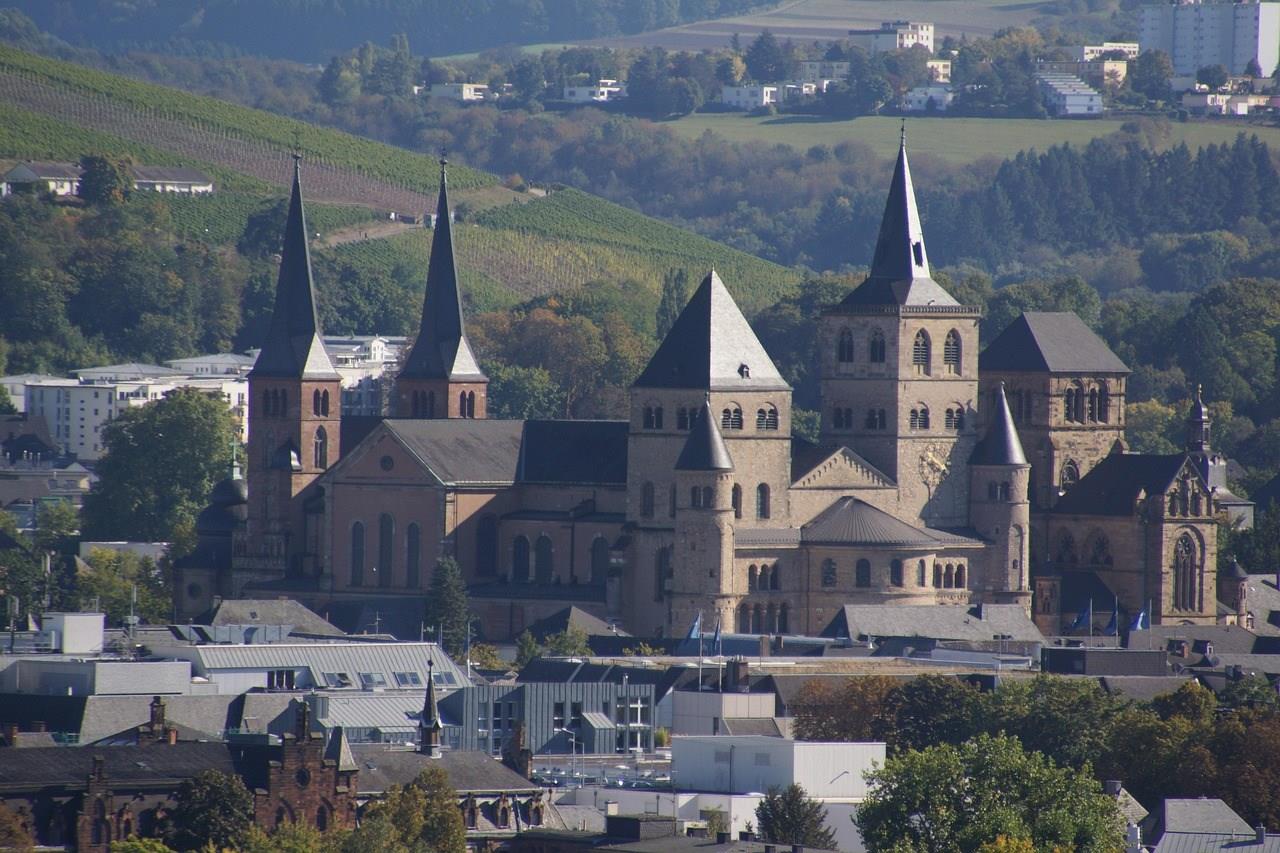
Trier, Germany’s oldest city, is a living museum nestled in the Moselle Valley, where Roman ruins rise beside medieval churches and bustling market squares. Founded by the Romans in 16 BCE, Trier was once known as “Roma Secunda,” the second Rome, and still boasts the largest collection of Roman architecture north of the Alps. The Trier Cathedral (Dom St. Peter), which is a UNESCO World Heritage Site, is the oldest church in Germany and houses a relic said to be the Holy Robe of Christ.

Dominica
Dominica, known as the “Nature Island of the Caribbean,” is a haven for eco-tourists and adventure seekers. Nestled between the French islands of Guadeloupe and Martinique, this lush island boasts a remarkable landscape of volcanic mountains, dense rainforests, and stunning waterfalls. Dominica’s most iconic natural wonder is the Boiling Lake, the second-largest hot spring in the world.

Motril
Motril, Spain, is located near the Guadalfeo River on the Mediterranean coast in the province of Granada. Sugar cane refineries form the backbone of Motril's economy, though tourism is also an essential industry.

Ocho Rios
Ocho Rios, whose name comes from the Spanish for “Eight Rivers”, was originally a Taíno settlement before Spanish and later British colonial influence shaped its identity. Nestled along Jamaica’s lush north coast, this once-humble fishing village has transformed into a vibrant coastal town that blends historical depth with modern charm.
England
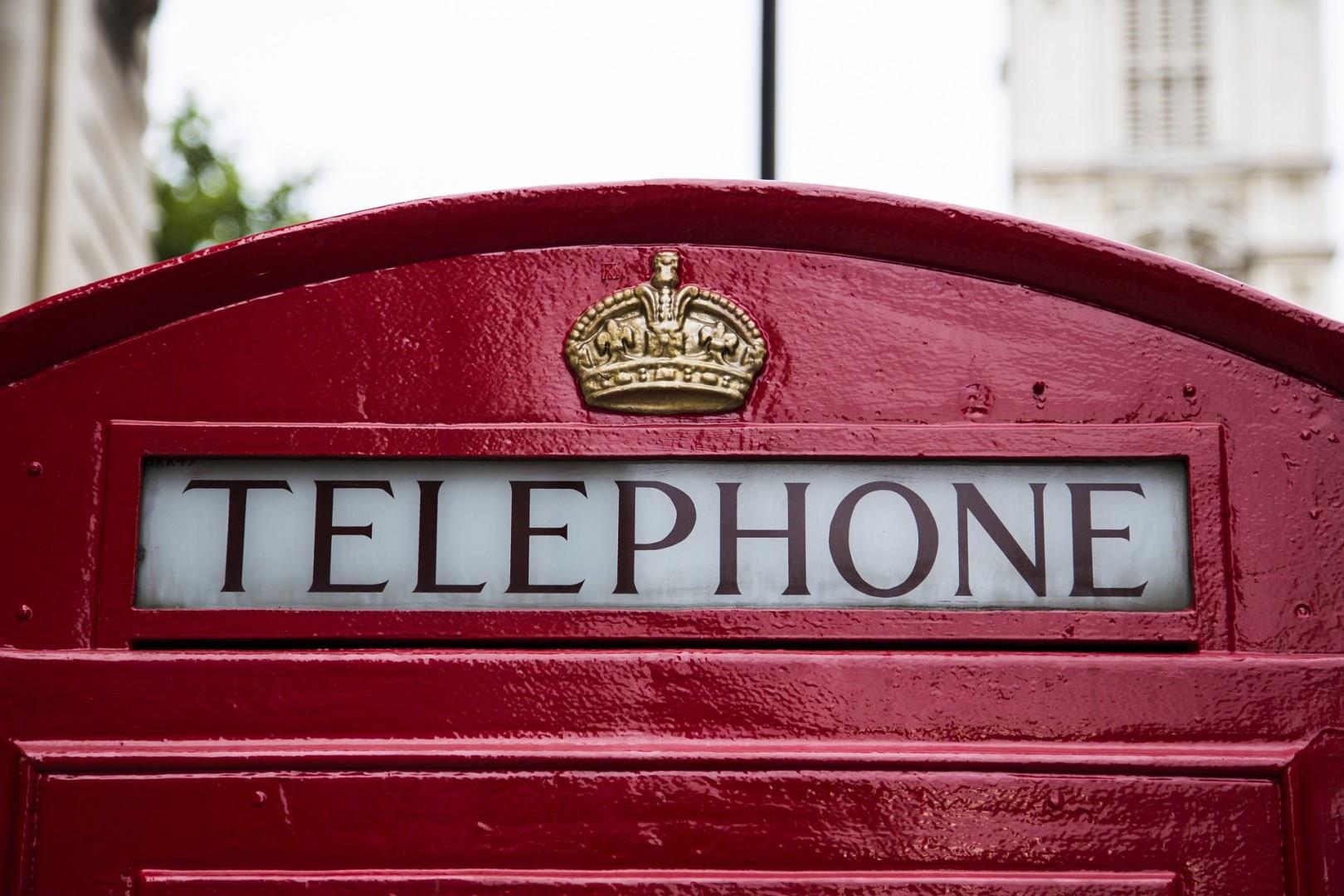
Welcome to England. The green hills, the noble woodlands, the perfect flowering of architecture and remarkable cultural heritage beckon visitors from around the globe.