Gotland
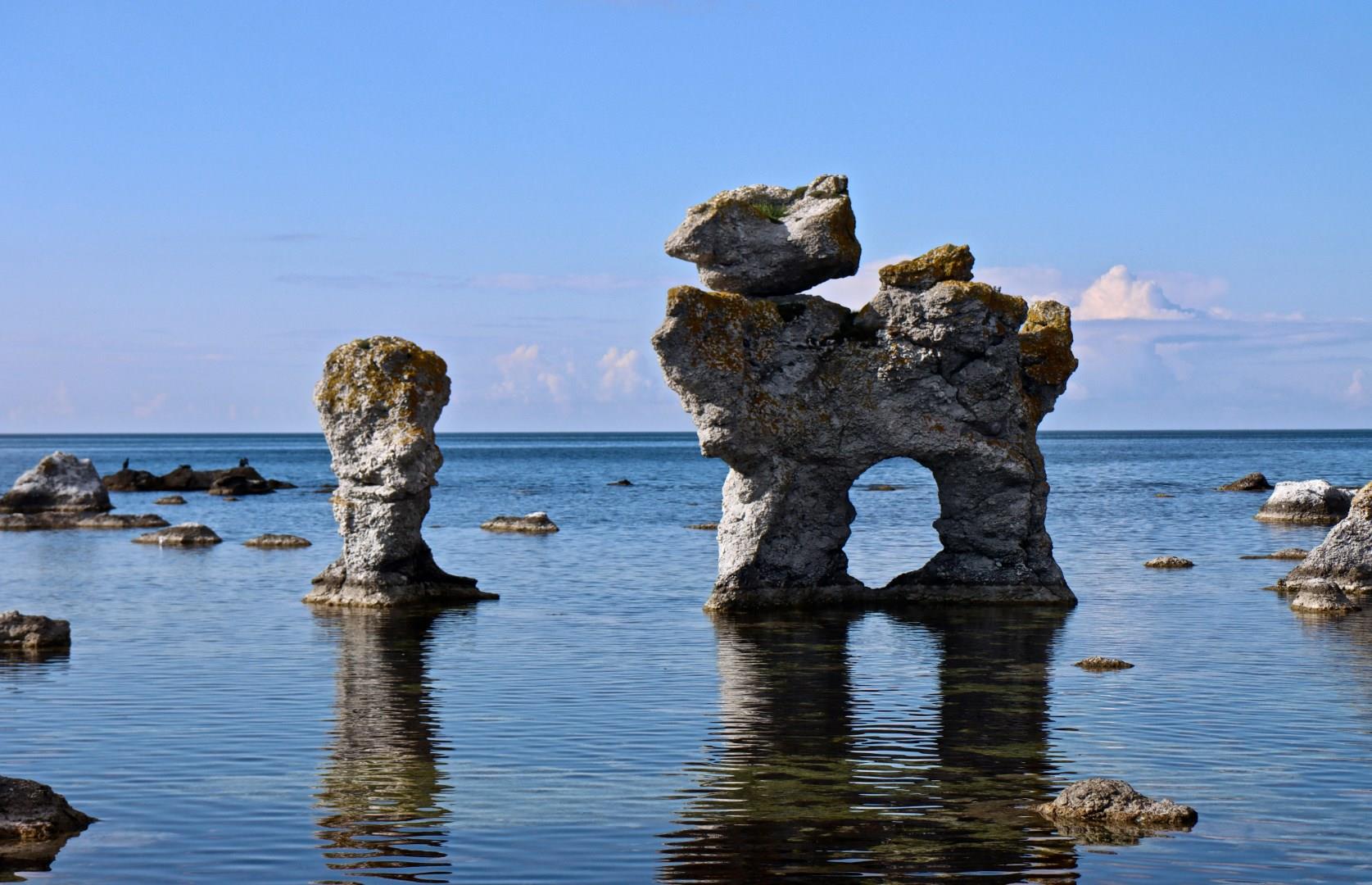
Gotland, Sweden’s largest island, sits in the Baltic Sea and feels like a world of its own. Its main town, Visby, is a UNESCO World Heritage site and one of the best-preserved medieval towns in Northern Europe. Surrounded by a 3.5-kilometer stone wall with original towers still intact, Visby once served as a key Hanseatic trading hub. Visitors can walk along cobbled streets lined with rose-covered cottages, explore Gothic church ruins, and climb up the city wall for views over the harbor.

Playa Del Carmen
Playa del Carmen, located along Mexico’s Riviera Maya, offers more than just soft beaches and turquoise waters. Once a quiet fishing village, the town has grown into a lively hub where Mayan history meets a modern beachside lifestyle. Visitors walking along Quinta Avenida will find artisan shops, street performers, and cafes offering everything from espresso to tacos al pastor. This area becomes especially active in the evenings when live music spills out from local venues.

Cancún
Cancún sits on the northeastern tip of Mexico’s Yucatán Peninsula, where the Caribbean Sea meets a narrow stretch of sand shaped by ancient Maya trade routes and modern development. While widely known as a resort destination, Cancún’s roots trace back to a quiet fishing area near important pre-Hispanic sites, with nearby Isla Mujeres and the mainland serving as part of a broader coastal network connected to inland Maya cities.
Aizuwakamatsu
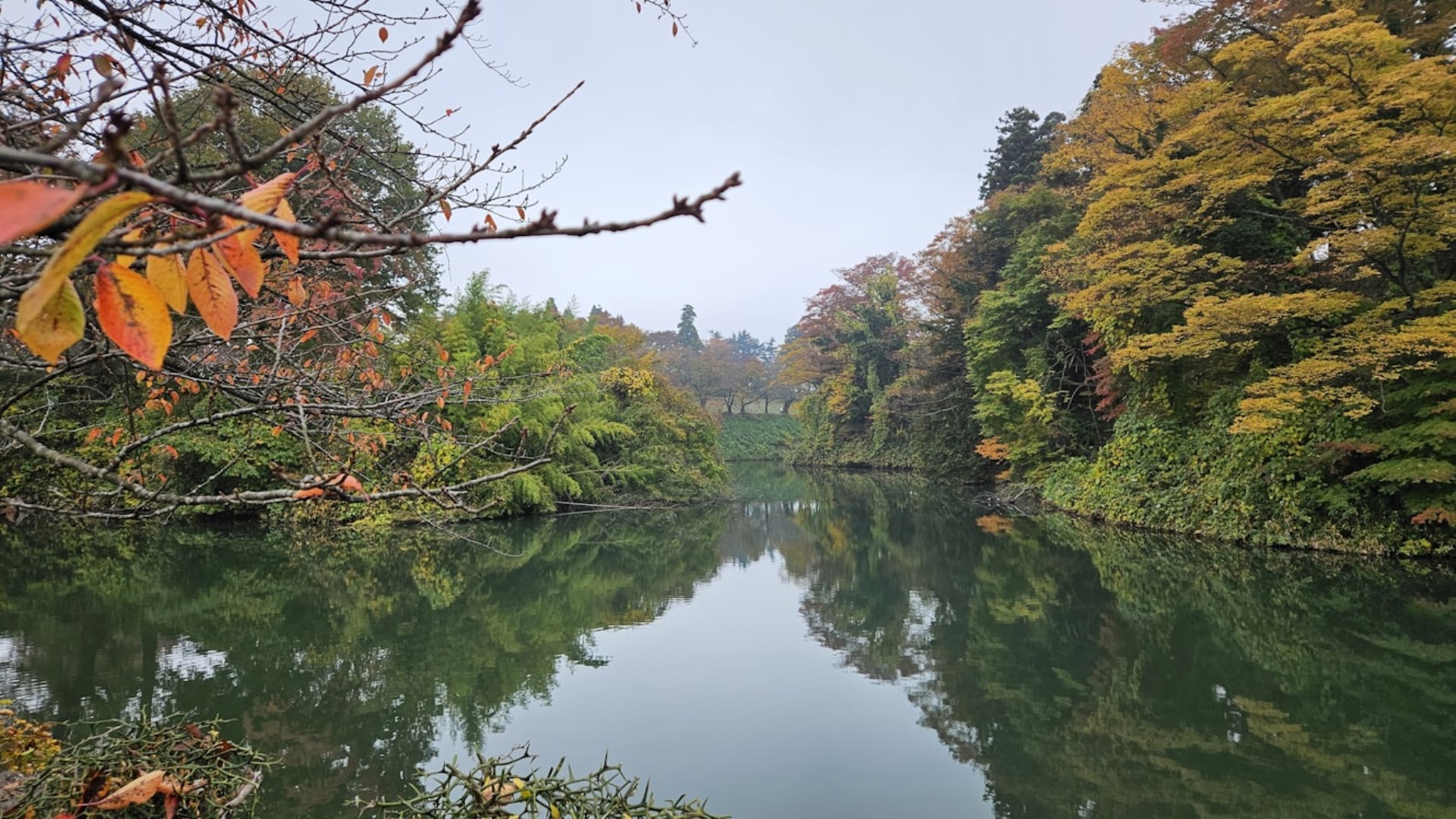
Aizuwakamatsu in Fukushima Prefecture is a city where samurai history is tangible. Once a stronghold of the Aizu domain, it played a pivotal role in the late Edo period and the Boshin War.
Luxembourg
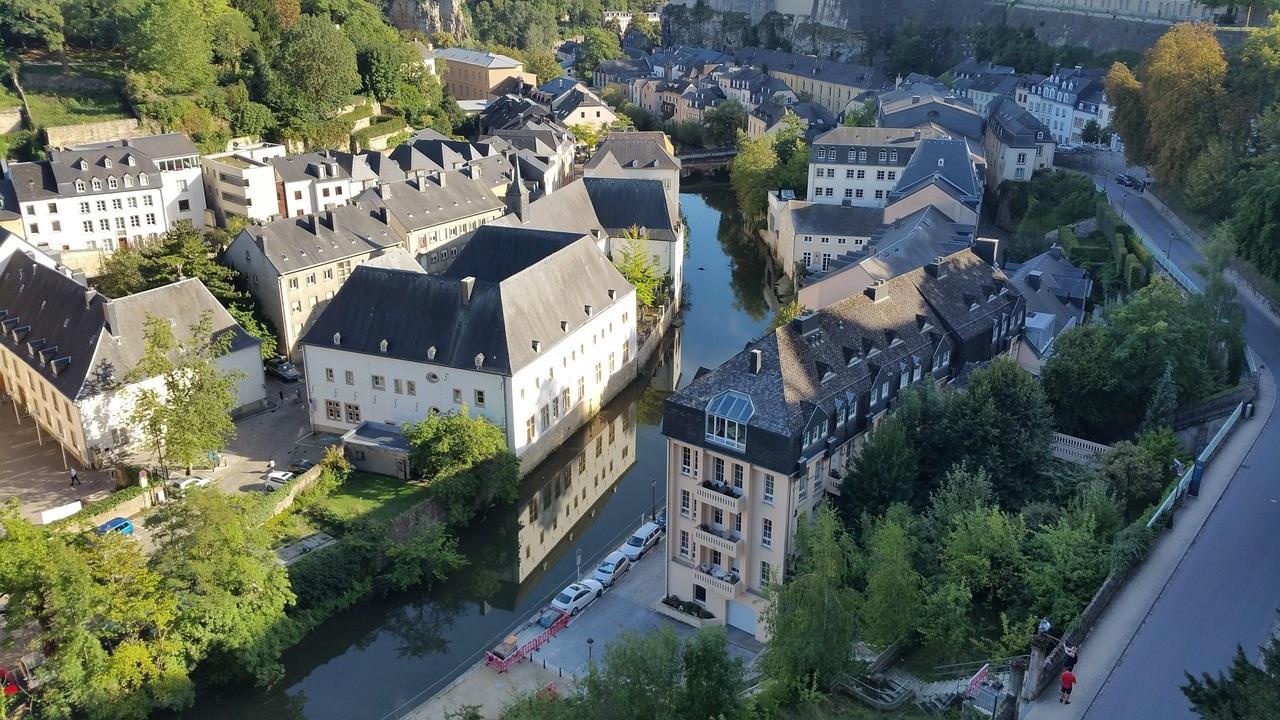
Luxembourg, a small yet influential country in the heart of Europe, offers visitors a rich blend of historic sites and contemporary culture. The capital city, Luxembourg City, is famous for its dramatic cliffs and ancient fortifications that have earned it a UNESCO World Heritage status. Walking through the old quarters, visitors can explore the casemates that reveal layers of the city’s military past.