Mirissa, on the southern coast of Sri Lanka, is a seaside town that blends golden beaches, turquoise waters, and a laid-back atmosphere. Known for its crescent-shaped bay fringed with palm trees, it offers one of the island’s most inviting spots for swimming, surfing, and lounging by the sea.
Regina, Saskatchewan’s capital, is a city with deep roots and wide-open skies. Originally established as a key stop on the Canadian Pacific Railway, Regina quickly grew into a political and cultural hub. Today, visitors can explore its past at the Royal Saskatchewan Museum, which features life-sized dinosaur exhibits and an extensive First Nations gallery.
Cardigan sits on the west coast of Wales, where the River Teifi reaches the wide sweep of Cardigan Bay. At the heart of town stands Cardigan Castle, where battlements and gardens overlook the Teifi. The castle’s history includes the first recorded National Eisteddfod in Wales, a cultural competition of music, poetry and performance that still inspires events across the country.
Taupō, located in the heart of New Zealand’s North Island, is built along the shores of Lake Taupō, which is the largest freshwater lake in Australasia, formed nearly two thousand years ago by a massive volcanic eruption. That eruption was so powerful, it was recorded in ancient Chinese and Roman texts, even though it occurred halfway across the world. Today, the lake is calm, clear, and central to life in the region, offering everything from trout fishing to kayaking and lakeside cycling.
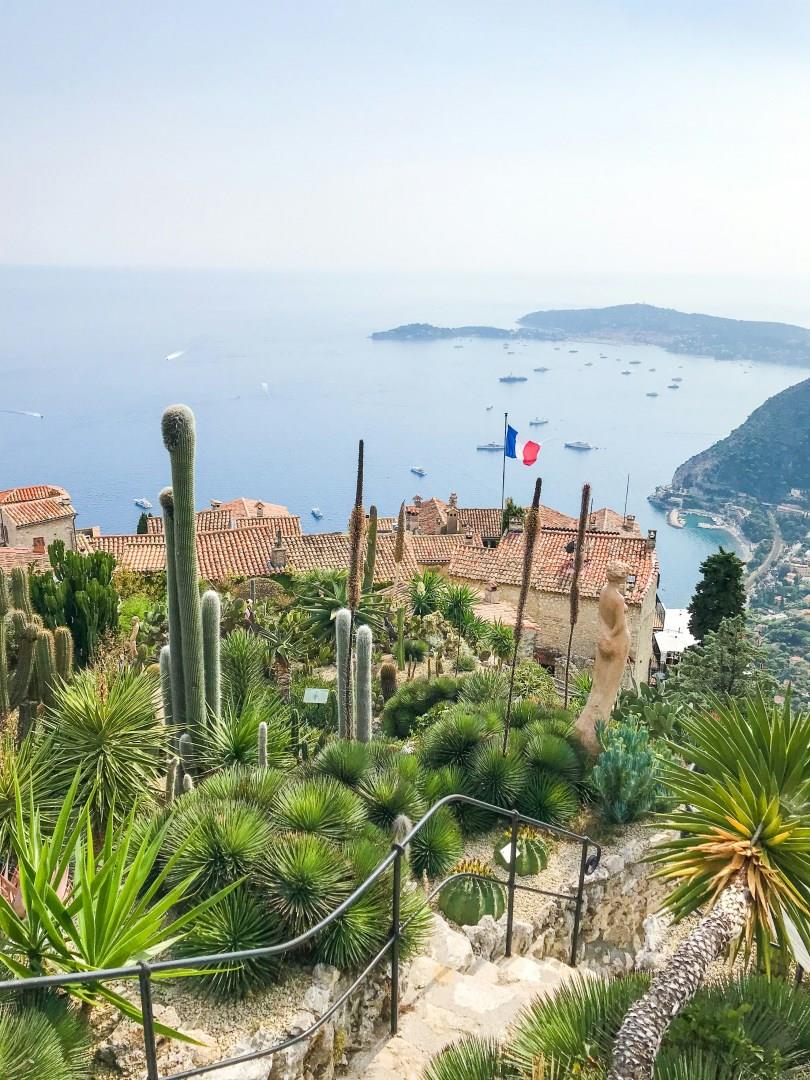
Guadeloupe's major center is Pointe-à-Pitre, a conglomeration of old and new buildings clustered around the bustling harborside market. Pointe-a-Pitre is Gudeloupe's most popular city--explore the beaches of Grand-Terre and the French fort ruins and volcanic mountaintop of Basse-Terre.
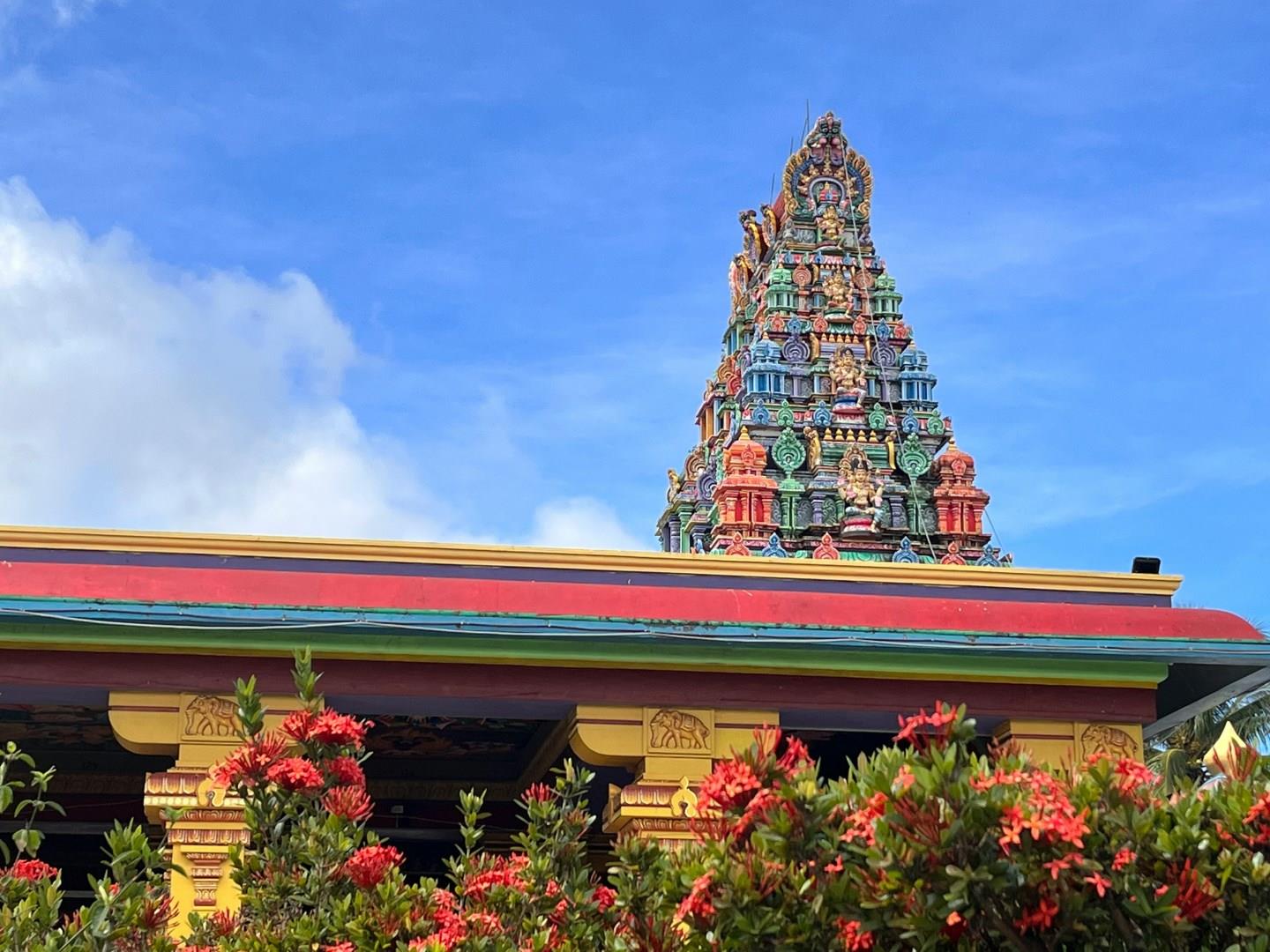
Nadi, a vibrant city on Fiji's western coast, offers a gateway to some of the South Pacific's most enchanting experiences. Known for its bustling markets and lively atmosphere, Nadi is a hub of culture and activity. A must-see is the Sri Siva Subramaniya Temple, the largest Hindu temple in the Southern Hemisphere, renowned for its intricate Dravidian architecture and colorful frescoes. The temple’s vibrant and spiritual ambiance provides a glimpse into Fiji's rich Indian heritage.
Beyond cultural landmarks, Nadi is a launchpad for exploring the stunning natural beauty of the Fijian archipelago. The nearby Mamanuca Islands and Yasawa Islands offer pristine beaches, crystal-clear waters, and world-class snorkeling and diving opportunities. The islands' idyllic settings are perfect for relaxation and adventure alike, with options ranging from island-hopping tours to water sports and spa treatments.
For those interested in local life, a visit to the Nadi Market is essential. This bustling market is a sensory delight, offering everything from fresh produce and spices to handcrafted souvenirs. It's a great place to experience Fijian hospitality and pick up unique gifts. The lively environment and colorful stalls reflect the city's diverse cultural tapestry.
Nadi's tropical climate and sunny weather make it a year-round destination. The city enjoys an average temperature of 81°F (27°C) and boasts more than 300 sunny days each year. This pleasant weather ensures that visitors can enjoy outdoor activities and beachside relaxation virtually anytime they choose.