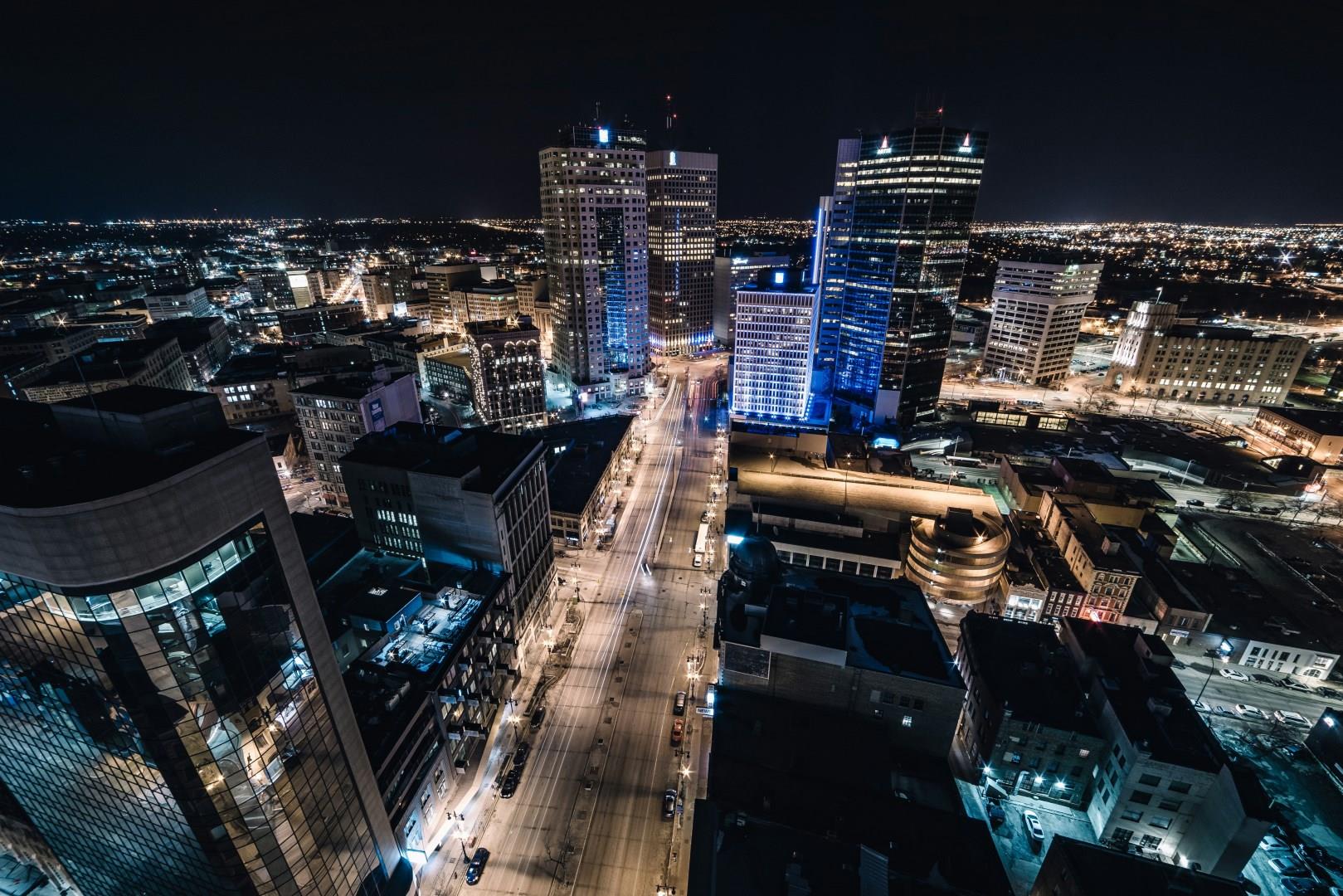
Winnipeg
Winnipeg sits at the meeting point of the Red and Assiniboine rivers, a location that has shaped its role as a gathering place for thousands of years. Long before it became a modern city, the area was central to Indigenous trade networks, a legacy that remains visible today through institutions like The Forks and the Canadian Museum for Human Rights.
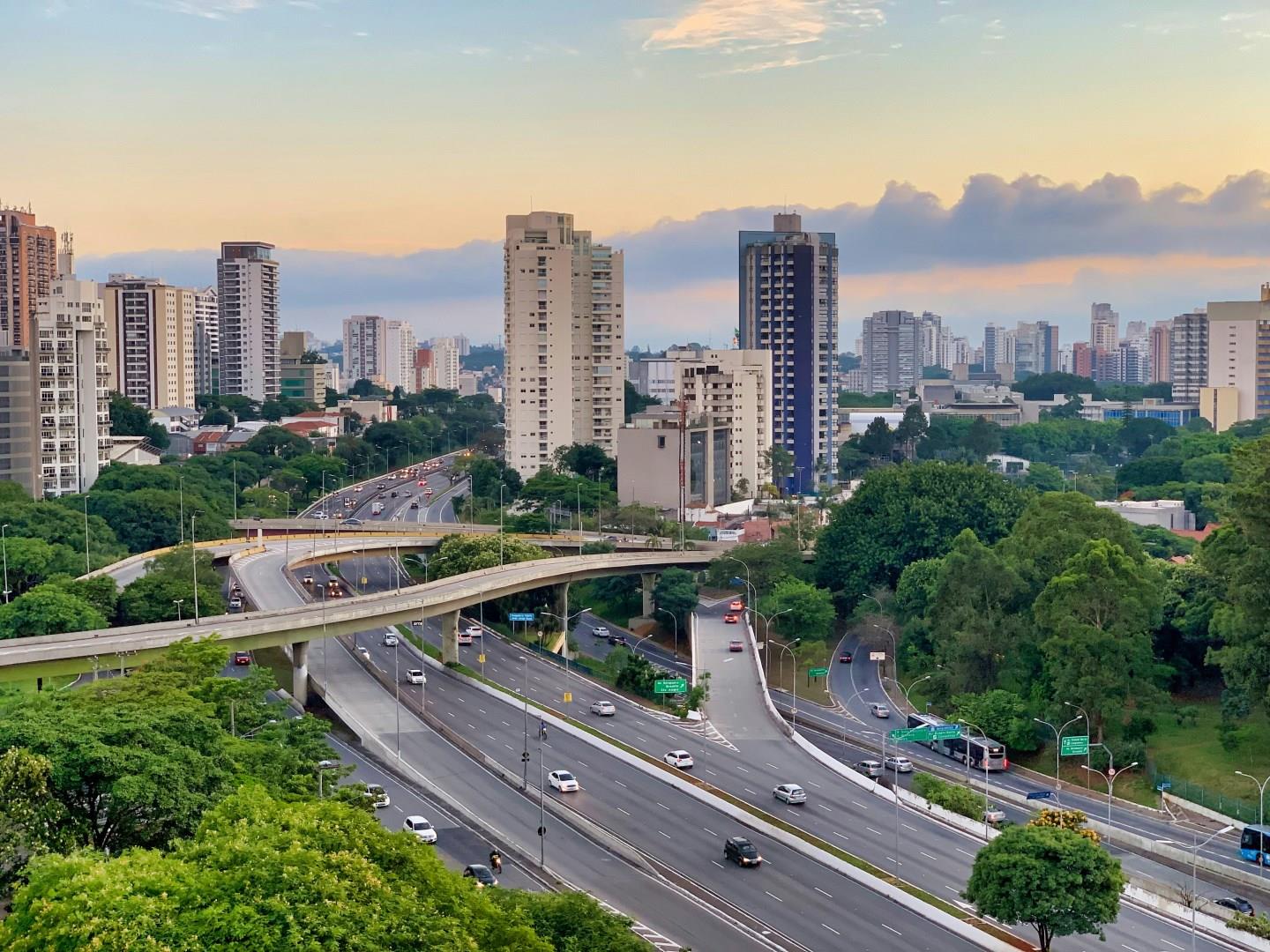
Sao Paulo
Sao Paulo is Brazil’s largest city and its economic engine, shaped by waves of migration that began in the late 19th century and never truly slowed. Italians, Japanese, Lebanese, and migrants from across Brazil all left visible marks on the city’s neighborhoods, food, and cultural life.

Veere
Once a big, bustling sea port for the Scottish wool trade and known as Kampvere, Veere is now a small village whose economy mainly relies on tourism. A major point of interest for visitors is the Campveerse Toren (Campvere Tower), built as part of the city defenses around 1500 and now serving as one of the oldest inns in the Netherlands
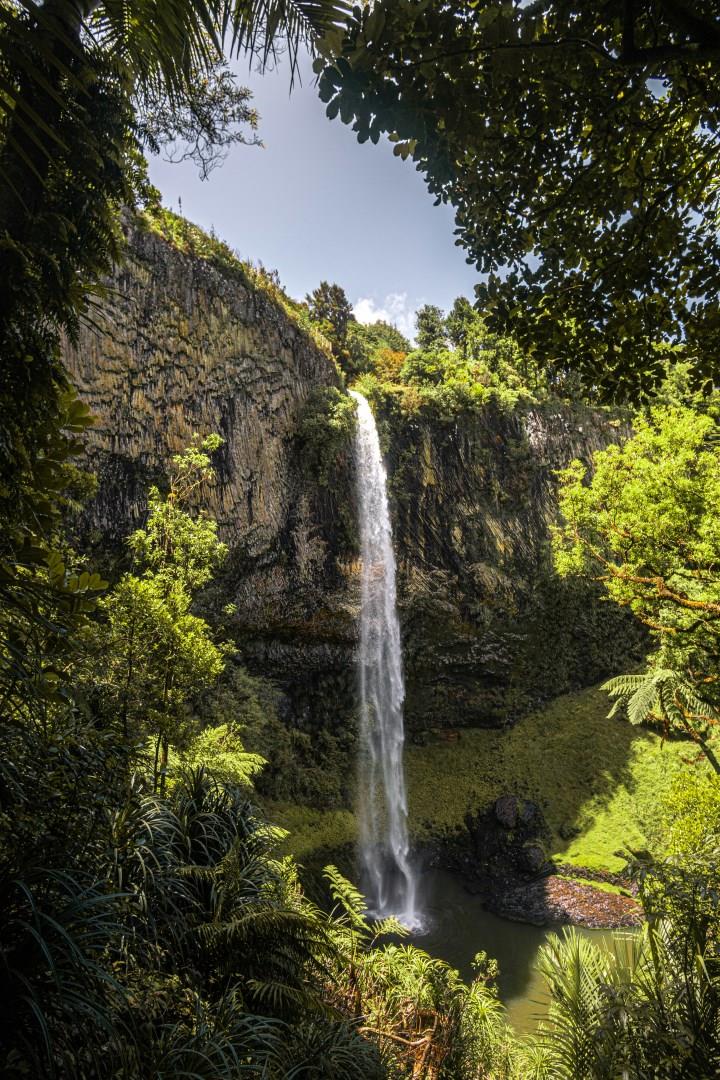
Raglan
Raglan, on New Zealand’s North Island, is a coastal town that has earned international renown for its surf culture while retaining a bohemian, community-centered spirit.

Sihanoukville
Nestled along Cambodia’s picturesque coastline, Sihanoukville offers an inviting retreat with its stunning beaches and vibrant culture. This coastal city, named after King Norodom Sihanouk, is renowned for its pristine white sand beaches and turquoise waters.