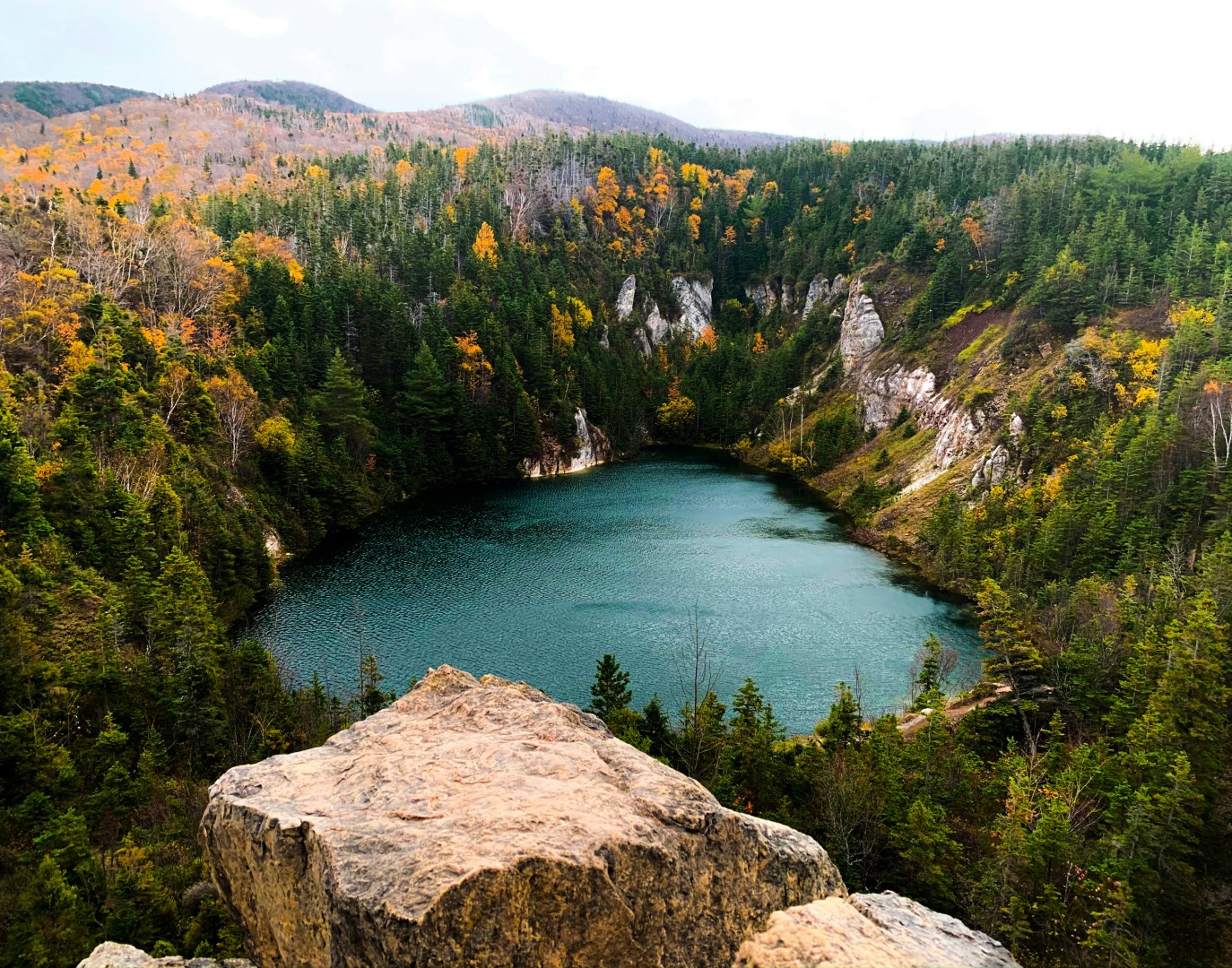
Cape Breton Island
Cape Breton Island sits off the eastern coast of Nova Scotia and welcomes visitors with rolling hills, wide waters and a calendar full of engaging experiences. In the village of Baddeck, the shores of the Bras d’Or Lake reflect early morning sun on fishing boats and sailboats alike, and nearby Kidston Island, reached by a small summer ferry, holds a historic lighthouse and a sandy beach that invites relaxed afternoons by the water.

Novi Sad
Novi Sad, Serbia’s second-largest city, sits along the banks of the Danube River and has long served as a cultural meeting point in the Balkans. Its centerpiece is Petrovaradin Fortress, a massive 18th-century stronghold nicknamed the "Gibraltar on the Danube." The fortress is known not just for its historic architecture but also for its network of underground tunnels and the iconic clock tower where the hands are reversed, meaning the large hand shows the hour.
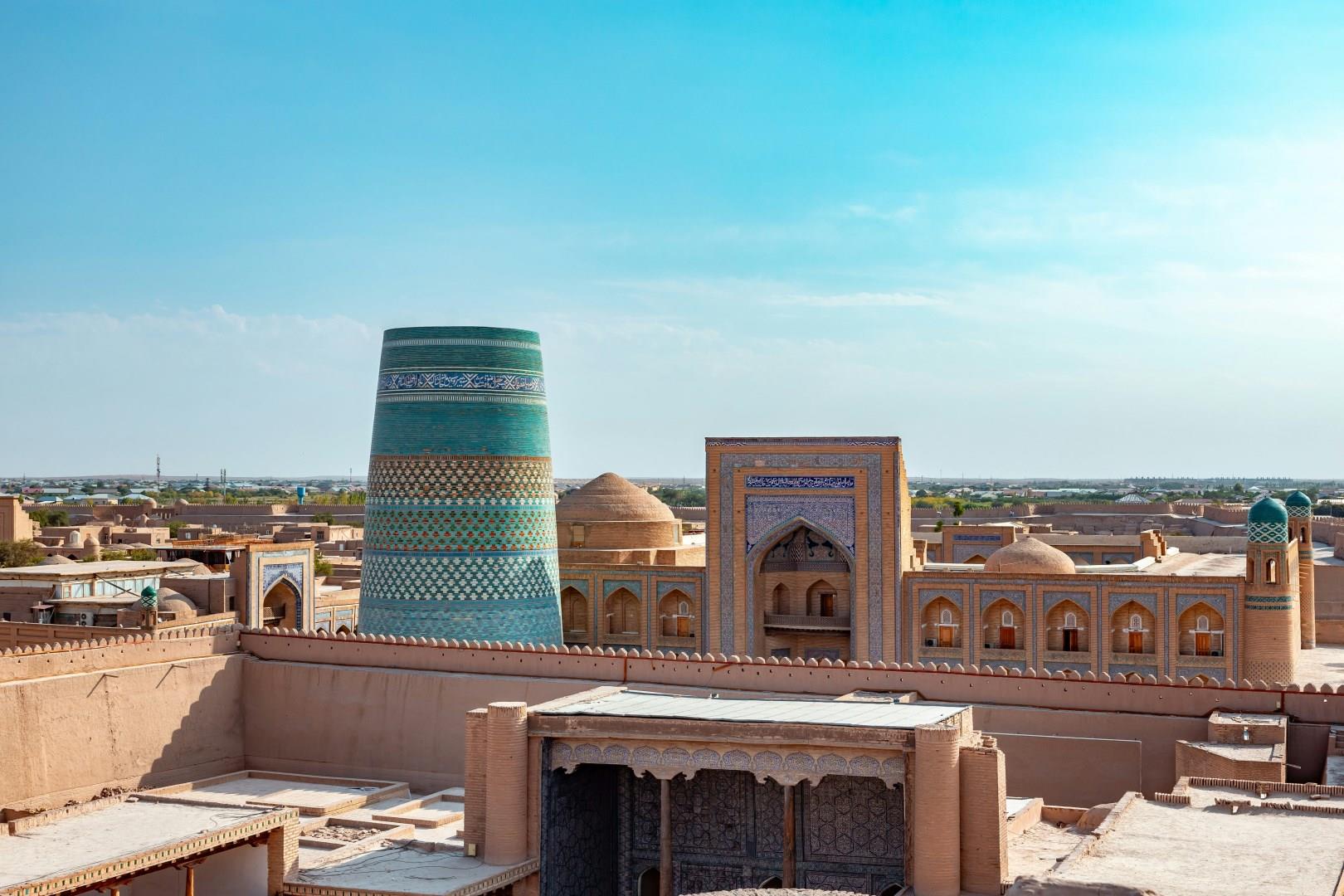
Khiva
Khiva, located in western Uzbekistan’s Khorezm region, is one of Central Asia’s most evocative Silk Road cities. Its walled inner city, known as the Itchan Kala, has preserved a remarkable collection of mud-brick architecture, minarets, mosques, and madrasahs that reflect centuries of Islamic culture and trade. Khiva served as a thriving trading hub and political center, linking merchants and scholars across the desert routes of the region.

Mount Nebo
Mount Nebo rises in western Jordan, overlooking the Jordan River Valley, the Dead Sea, and, on clear days, Jerusalem and Jericho.
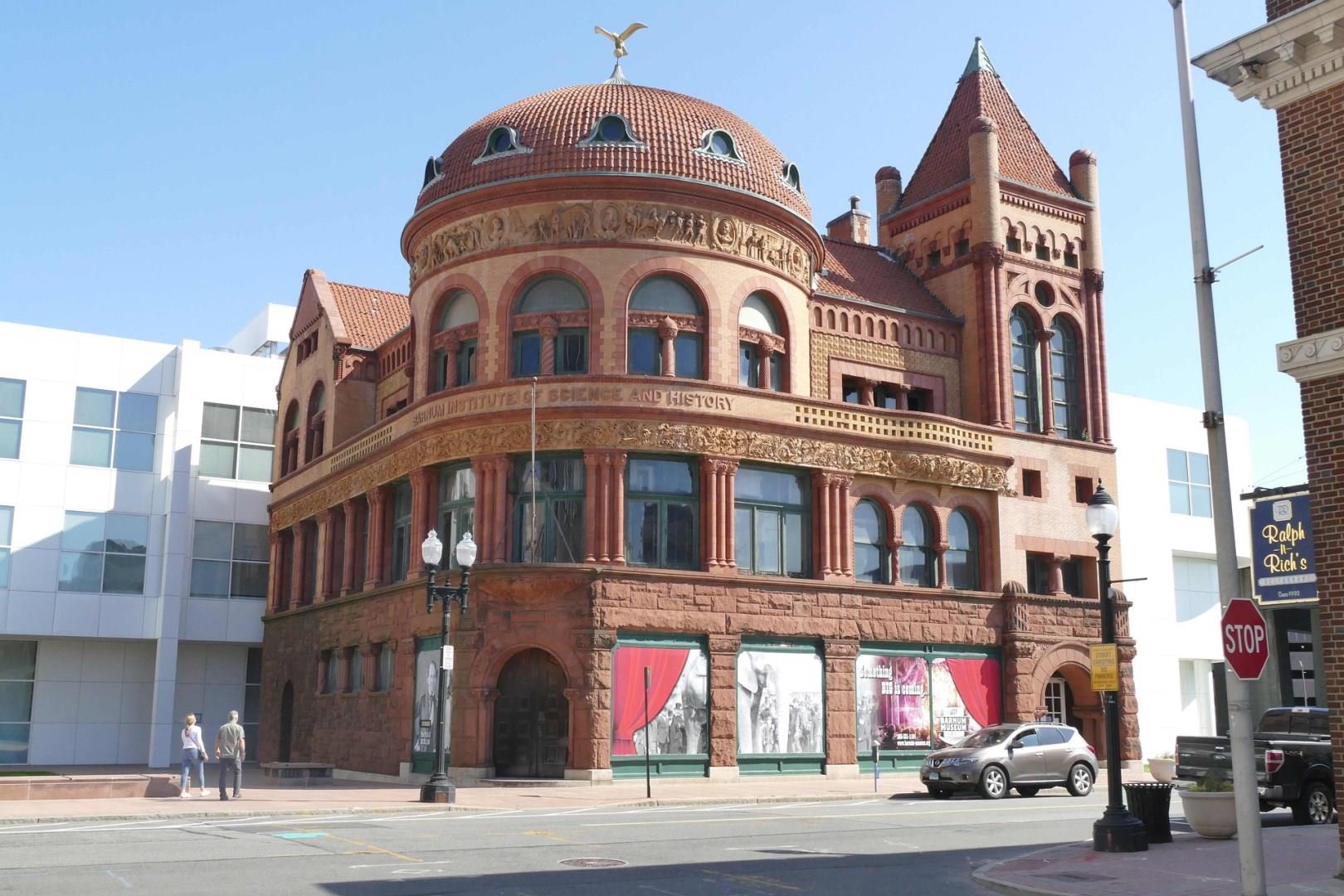
Bridgeport
Bridgeport, Connecticut, offers visitors a fascinating mix of historical significance, cultural diversity, and coastal charm. As the largest city in the state, Bridgeport is known for its rich industrial past and vibrant waterfront. One of the must-visit spots is Seaside Park, a stunning 325-acre public park designed by Frederick Law Olmsted, the same visionary behind New York’s Central Park.