

Sitka
Sitka is accessible only by air or sea, giving visitors a real taste of this wild frontier. Sitka offers incredible scenery, fishing, hiking, and abundant wildlife. 22 of Sitka's buildings and monuments appear in the National Register of Historic Places.

Yukon
Whitehorse is the territorial capital of this Canadian site of the 1898 gold rush. It consists mostly of rural towns, where the main industries are mining and tourism. It is a land of forests, rivers and tall mountain ranges covering a total of 207,075 sq. miles.
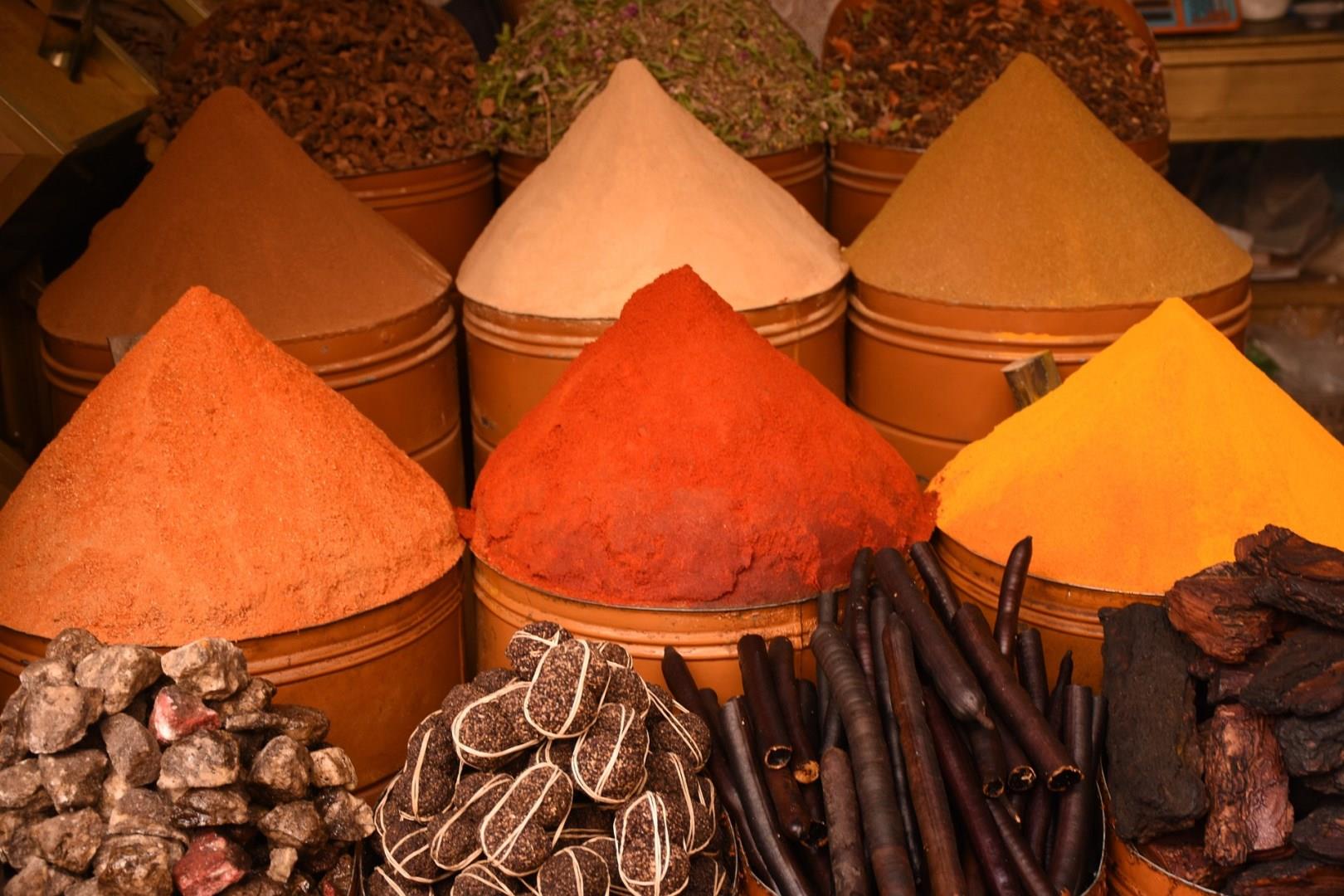
Morocco
Morocco, at the crossroads of Africa and Europe, offers travelers a remarkable journey through history, culture, and landscapes that are as diverse as they are captivating. From bustling medinas to sweeping deserts and dramatic coastlines, the country blends centuries-old traditions with a vibrant modern spirit.
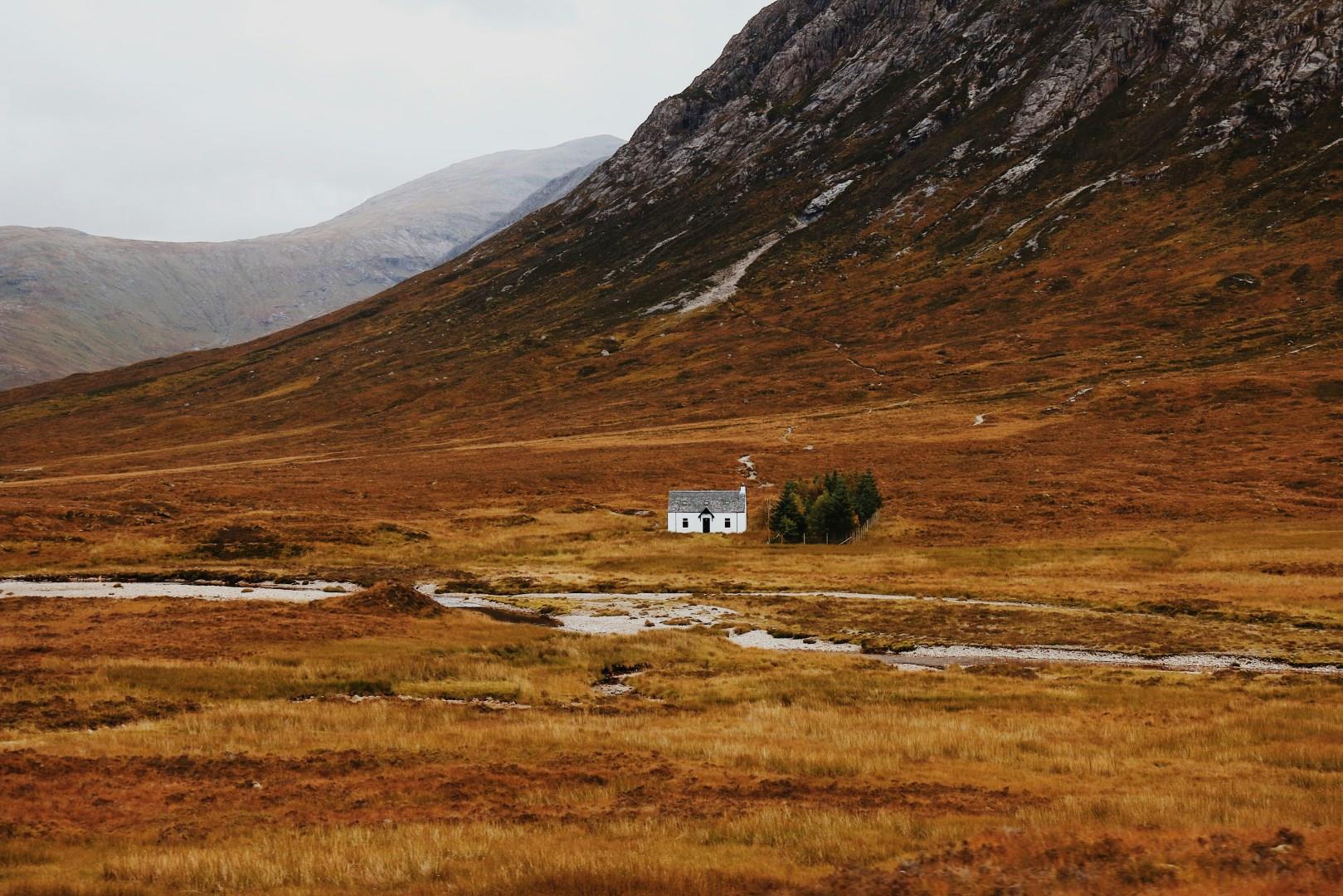
Glencoe
Glencoe lies in the western Highlands of Scotland, where a long, steep-sided valley cuts through mountains shaped by ancient volcanic activity and glaciation.
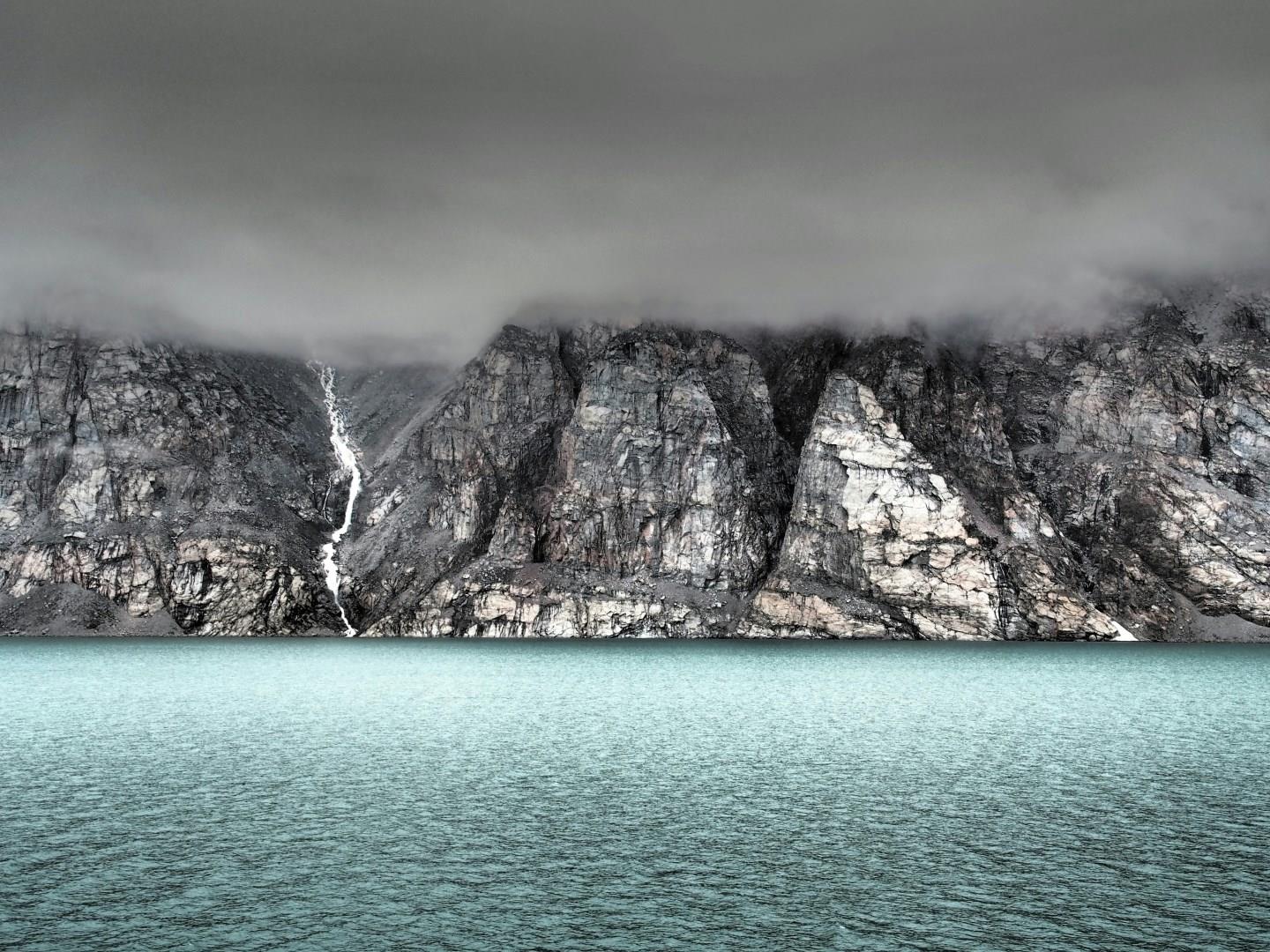
Baffin Island
Baffin Island is Canada’s largest island and one of the Arctic’s most imposing landscapes, shaped by ice, migration, and long human presence. Inuit communities have lived here for thousands of years, developing deep connections to sea ice, wildlife, and seasonal movement.


