
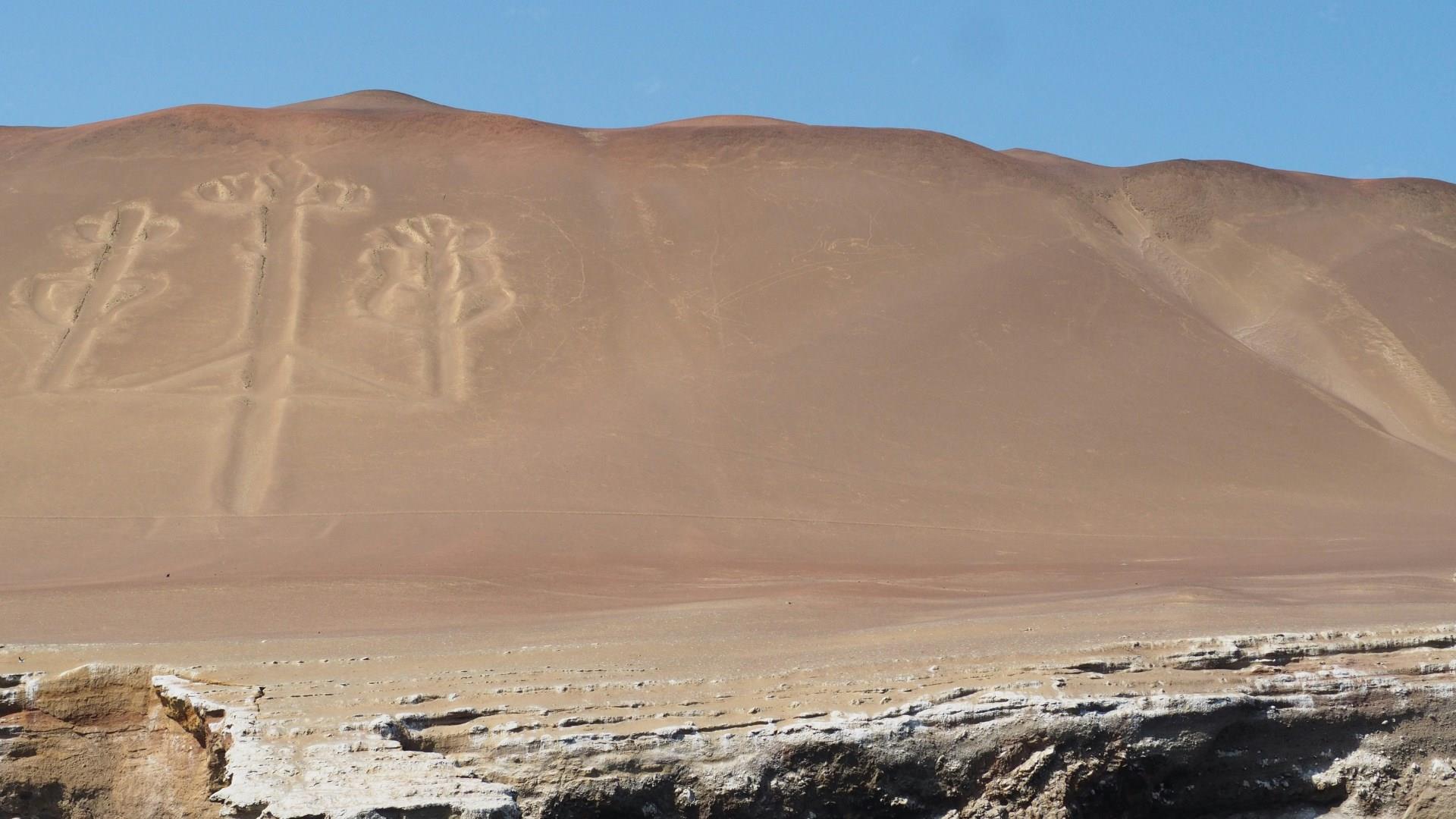
Paracas
Paracas, a small coastal town in southern Peru, offers a mix of desert landscapes, marine wildlife, and ancient history. Just three hours from Lima, it’s the gateway to the Paracas National Reserve, one of the country’s most important protected areas. This reserve includes both land and sea, making it home to dramatic cliffs, wind-carved rock formations, and waters where dolphins, sea lions, and Humboldt penguins are frequently seen.
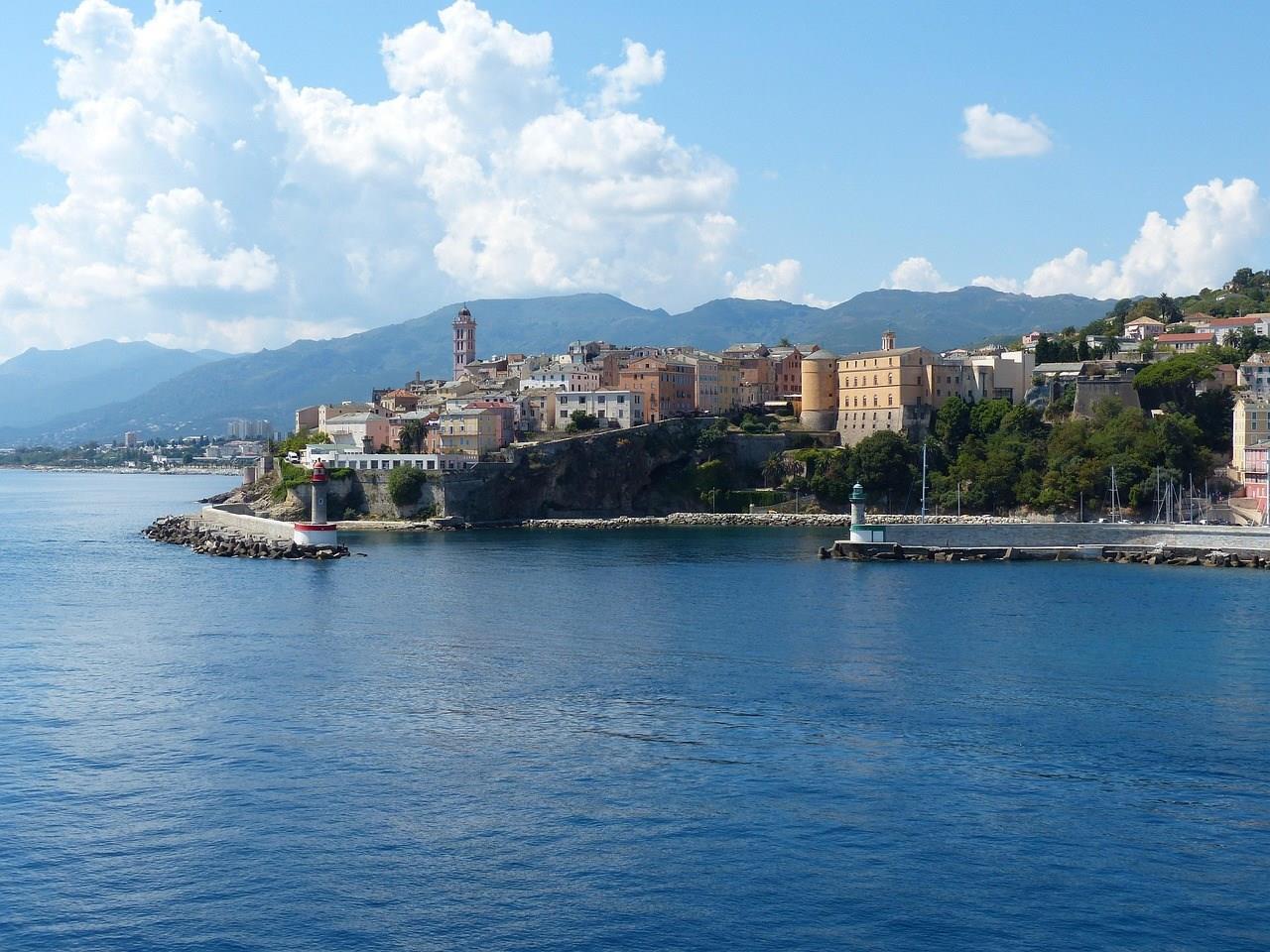
Bastia Corsica
Bastia, located on the northeastern coast of Corsica, is a city where coastal scenery and centuries of history meet at every turn. Overlooking the Tyrrhenian Sea, it serves as the island’s main port and a lively gateway for travelers arriving by ferry. Its old harbor, Vieux Port, is a highlight lined with tall, weathered houses in soft, faded colors, fishing boats bobbing in the water, and waterfront cafés that capture the steady rhythm of local life.
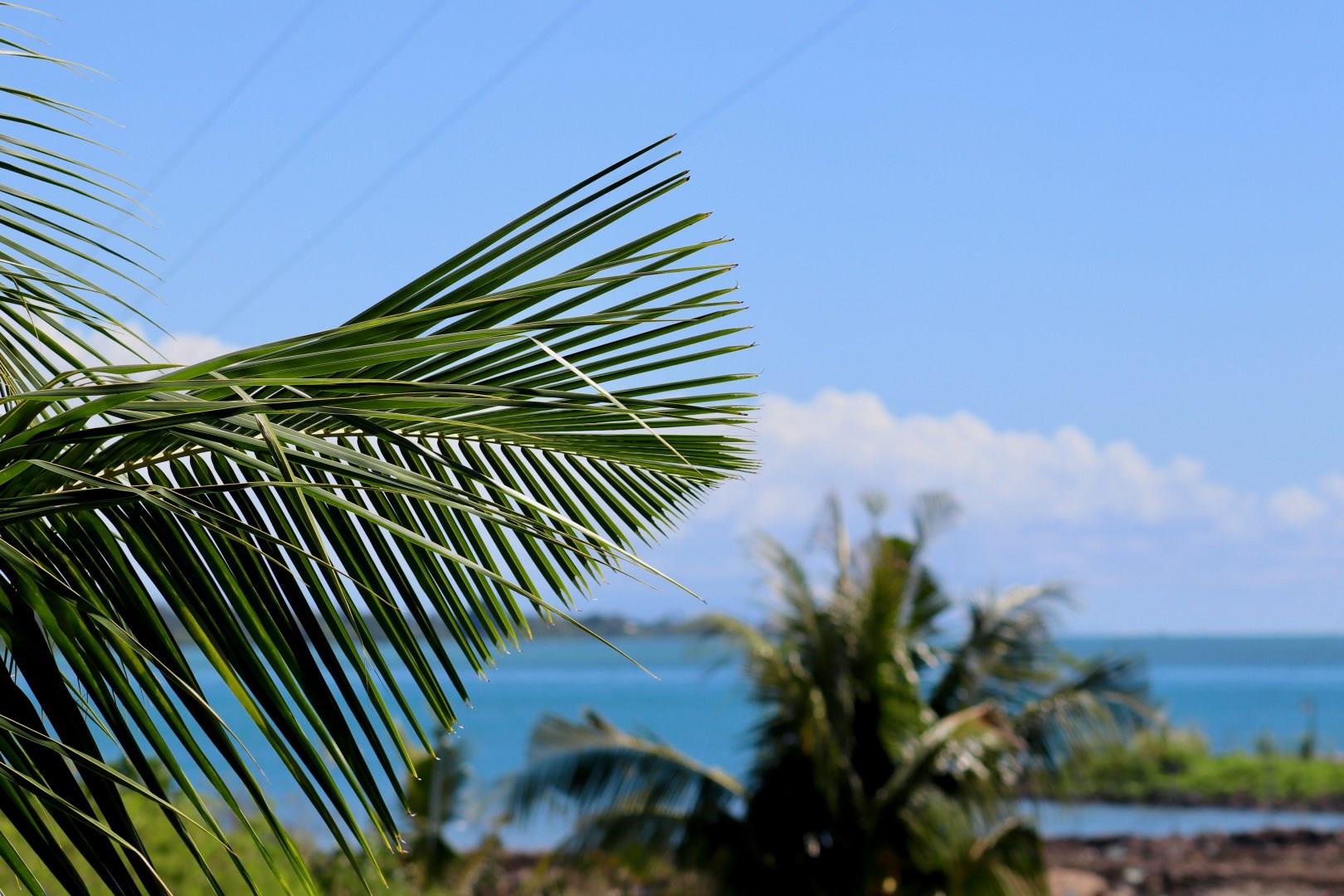
Apia
Apia, the lively capital of Samoa, sits on the north coast of Upolu island and blends the island’s rich traditions with a laid-back charm that’s hard to miss. Once a small village, Apia has grown into a central hub where local culture, commerce, and history meet. From bustling markets to quiet waterfronts, Apia offers visitors a chance to experience Samoa’s rhythm at their own pace.

Newport
About halfway down the Oregon coast, the picturesque Yaquina Head Lighthouse welcomes you to Newport, a town known for its Dungeness crab and glorious harbor under the graceful Yaquina Bay Bridge. The historic Bayfront offers a mixture of shops, galleries, canneries and restaurants that serve fresh clam chowder, shrimp, oysters, crab and salmon.
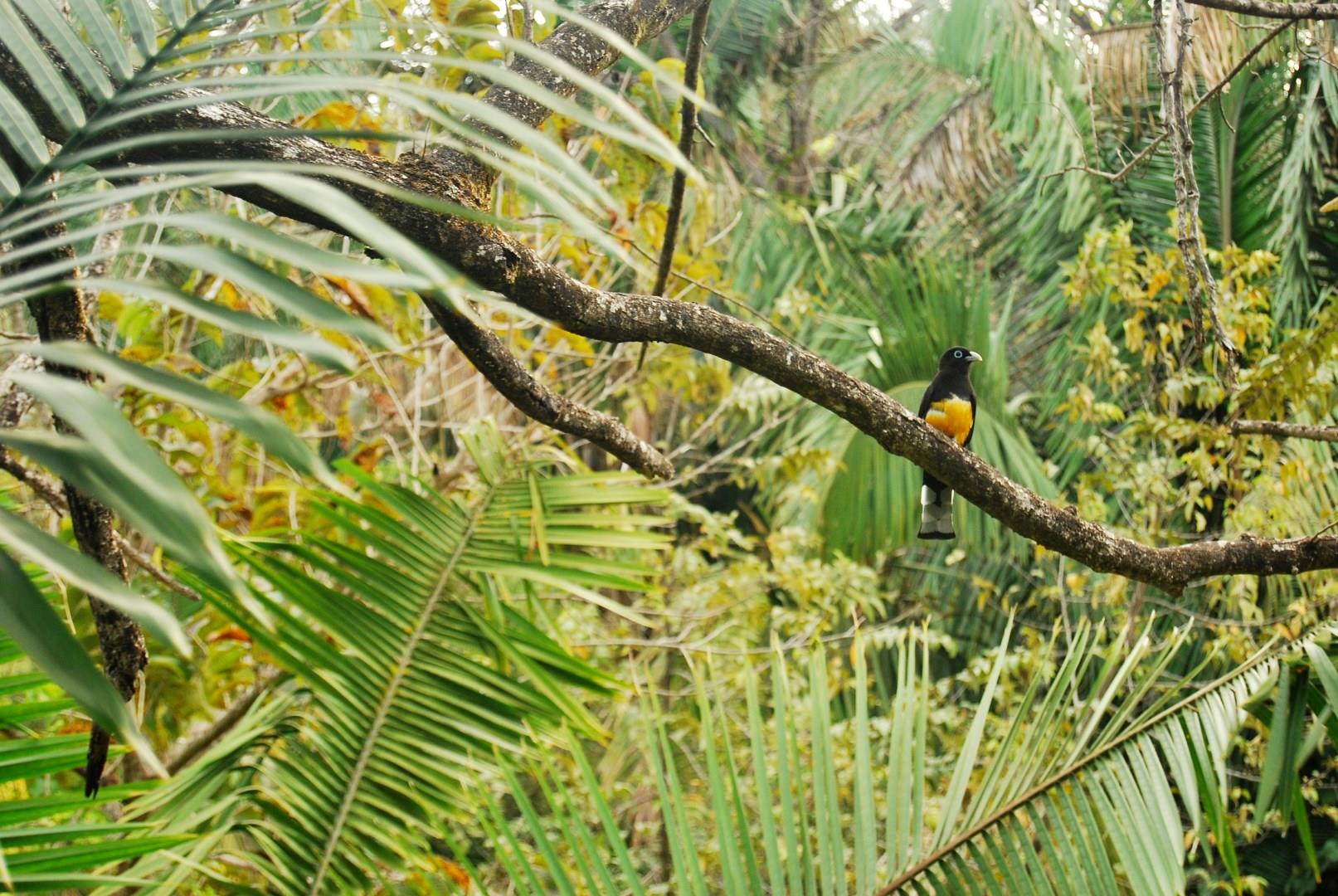
Nosara
Nosara, on Costa Rica’s Nicoya Peninsula, is a laid-back coastal town known for its strong connection to wellness, nature, and surf culture. Unlike some of the country’s busier resorts, Nosara has kept development low-key, with no large beachfront hotels and a community that values sustainability.


