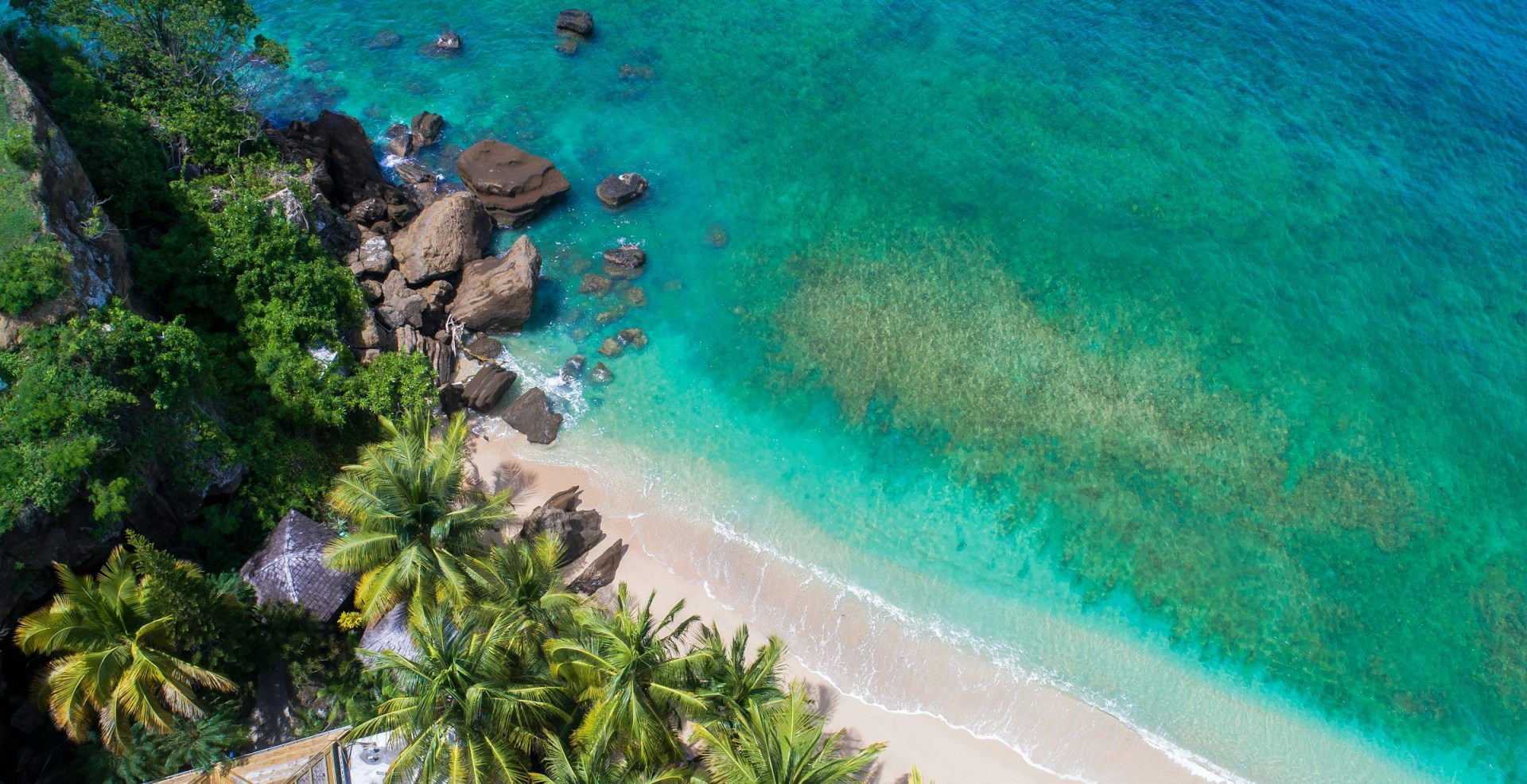
Grenada
You'll know why picturesque Grenada is known as the "spice island" when you notice the scent of nutmeg, vanilla and cocoa in the air. Grenada's waterfalls, lush rain forests, volcanic crater lake, tiny villages, cocoa, nutmeg and banana plantations, rum distilleries, scenic hiking trips, pristine coral reefs, and hidden-away unspoiled beaches all make Grenada one of the most popular ecotourism destinations for those who like to discover off-the-beaten-track natural beauty and charm.
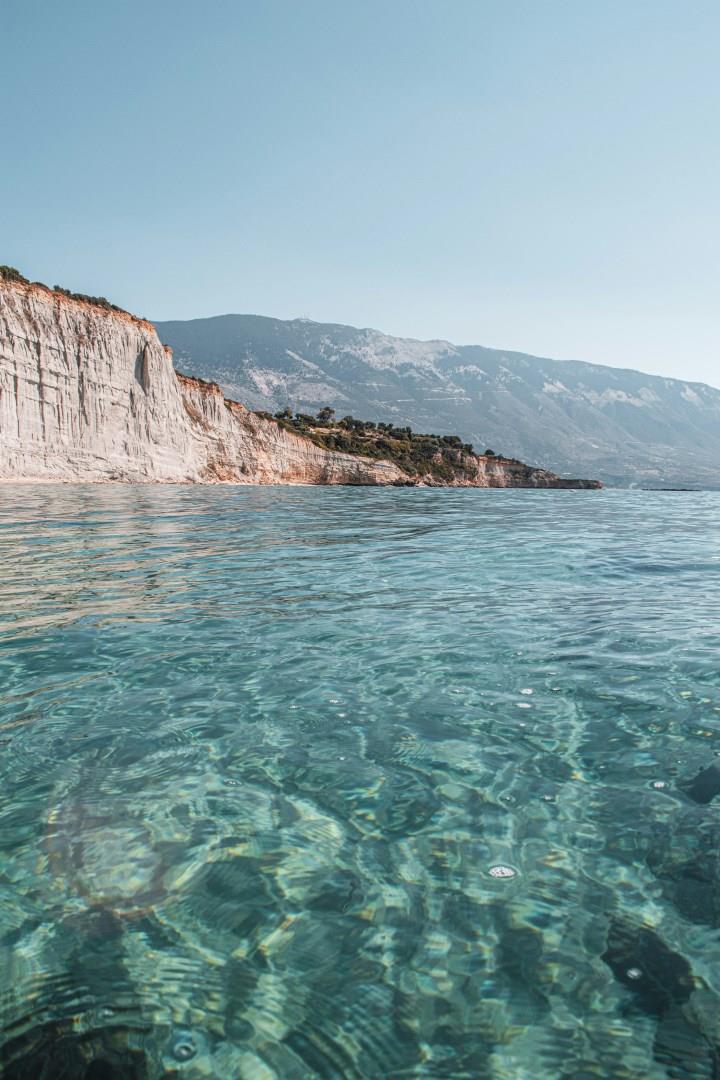
Cephalonia
Greece’s island of Cephalonia, nestled in the Ionian Sea, invites travelers with a relaxed pace and a landscape shaped by myth, history, and nature. Larger than its neighboring islands but far less crowded, Cephalonia offers visitors a glimpse into traditional Greek life amid dramatic cliffs, lush pine forests, and charming harborside villages.

Shanghai
Shanghai is a city where contrasting timelines meet at every corner. Once a small fishing village along the Huangpu River, it grew rapidly during the 19th century into a major trading port. Today, its skyline tells a story of that transformation. On one side, the Bund’s colonial-era buildings stand tall in limestone and granite; on the other, the futuristic towers of Pudong, like the Shanghai Tower and Jin Mao, stretch into the clouds.
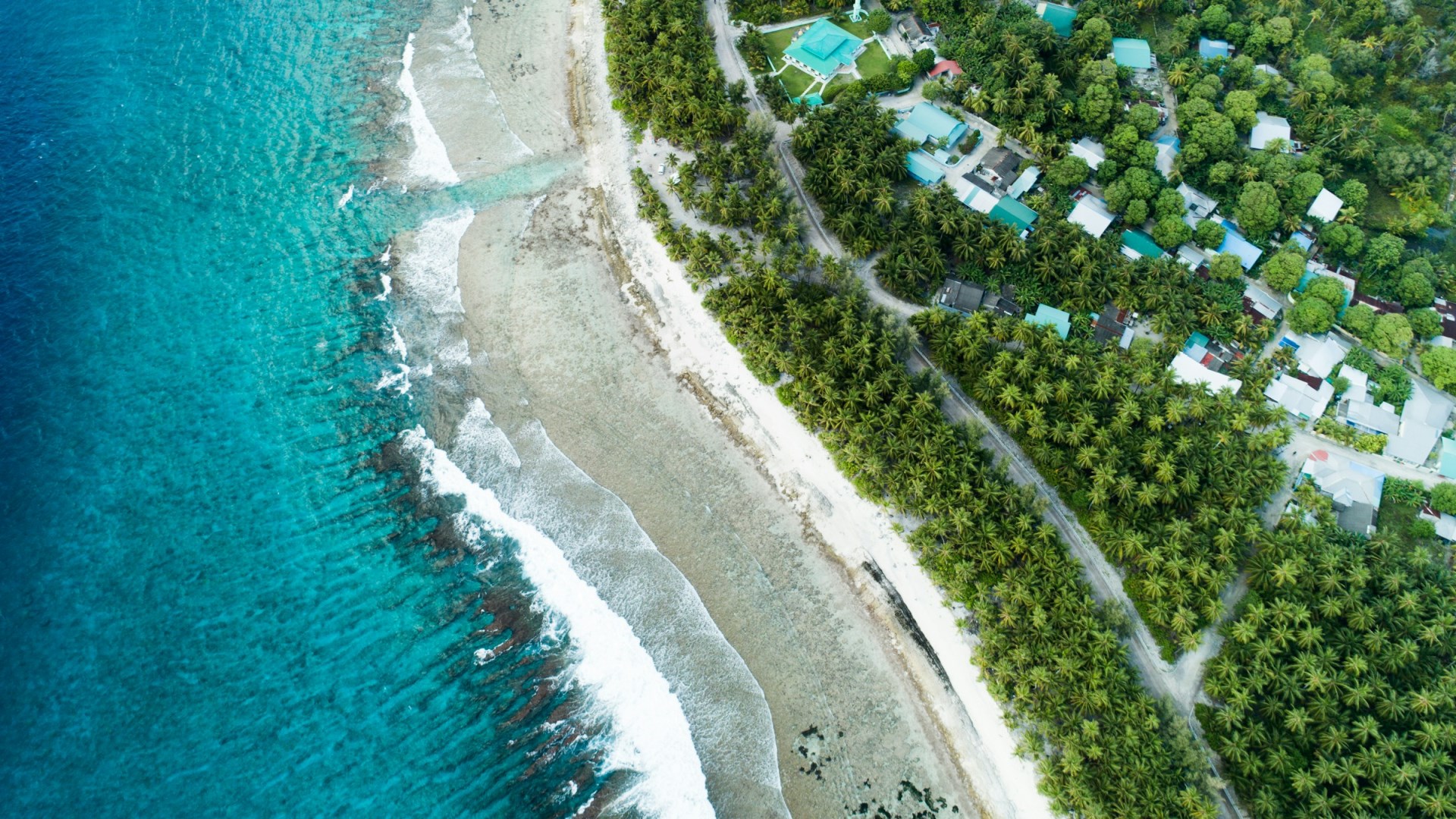
Fuvahmulah
Fuvahmulah, part of the Maldives, stands apart as the only island in the country that is both a single atoll and a single island. Unlike the ring-shaped atolls that define most of the Maldives, Fuvahmulah has freshwater lakes, fertile soil, and lush greenery.

Salzburg
Nestled in the foothills of the Eastern Alps, Salzburg, Austria, exudes a timeless charm that combines Baroque splendor, musical heritage, and breathtaking natural beauty. The city is famously known as the birthplace of Wolfgang Amadeus Mozart, one of the world's greatest composers. Visitors can immerse themselves in the life and works of Mozart by visiting his birthplace, now a museum, on Getreidegasse, a picturesque street lined with wrought-iron signs and colorful facades.