Papua New Guinea is a land of surprises, where misty highlands give way to tropical coasts and vibrant festivals stir every sense. In the Highlands, the air carries the echoes of ceremonial drums and elaborate sing‑sings like the famed Goroka Show, where over 100 tribes gather in September to perform dances adorned with feathered headdresses, body paint, and the haunting clay masks of the Asaro Mudmen.
Merzouga, a small village located in southeastern Morocco, is the gateway to the stunning Erg Chebbi dunes, one of the most iconic desert landscapes in the world. These towering sand dunes, which can reach heights of up to 150 meters (492 feet), offer an unparalleled opportunity for adventure and exploration. The contrast between the golden sands and the clear blue sky creates a breathtaking panorama that is perfect for photography and desert excursions.
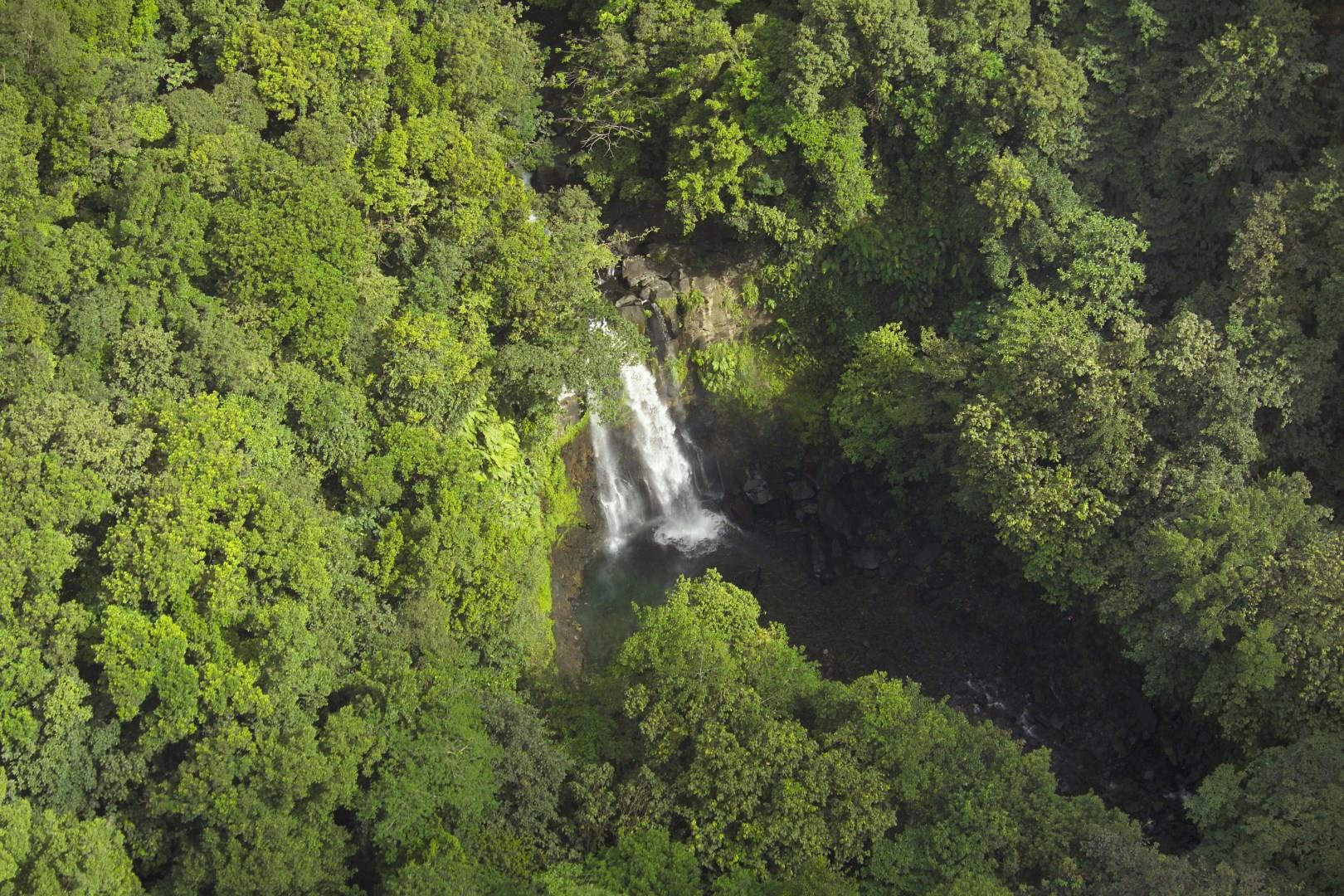
Basse-Terre, the western half of Guadeloupe, is a haven for nature enthusiasts and adventure seekers. Dominated by the towering La Soufrière volcano, the island boasts lush rainforests, dramatic waterfalls, and black sand beaches.
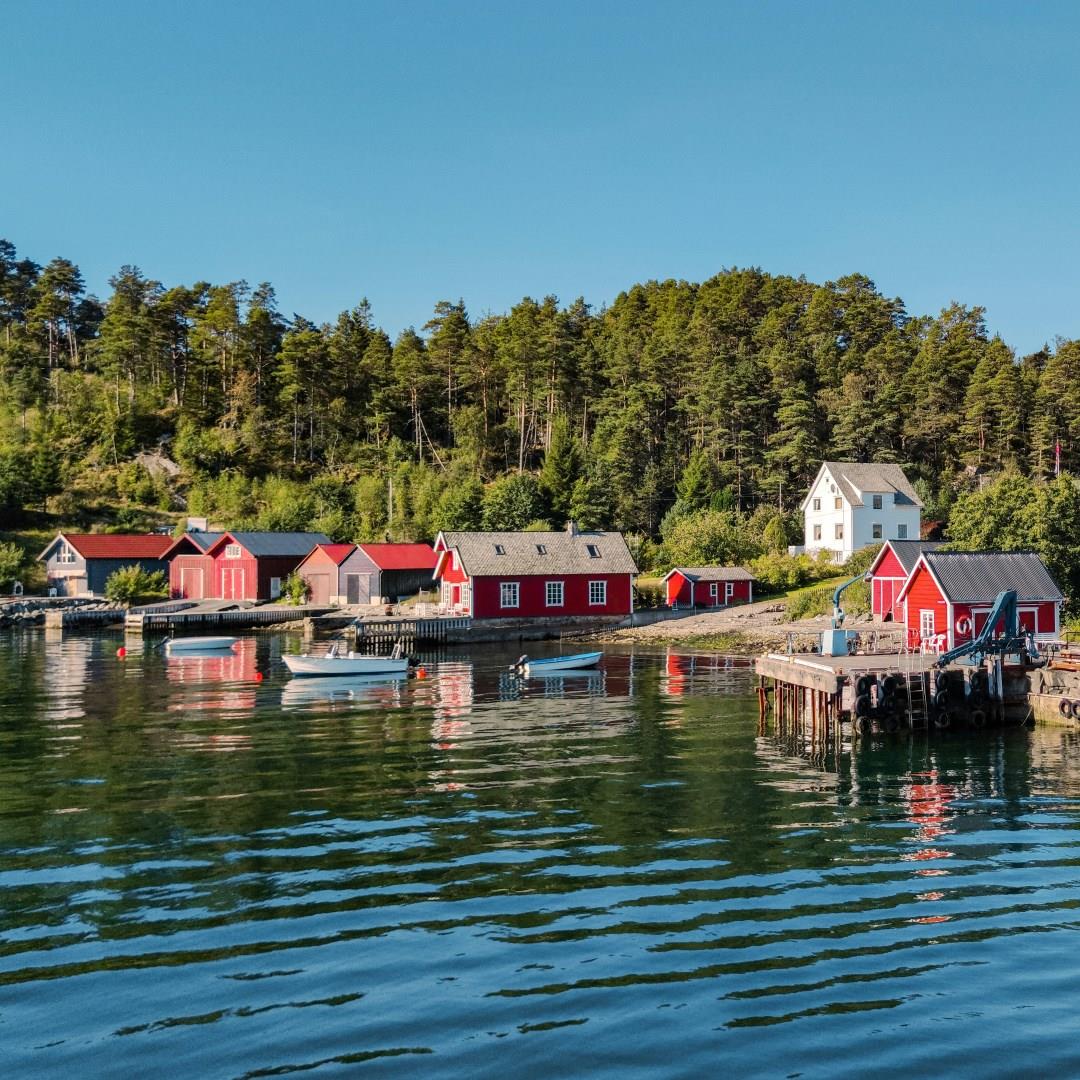
Hardangerfjord is one of Norway’s most iconic fjords, stretching over 170 kilometers through western Norway and surrounded by steep mountains, waterfalls, and orchards.
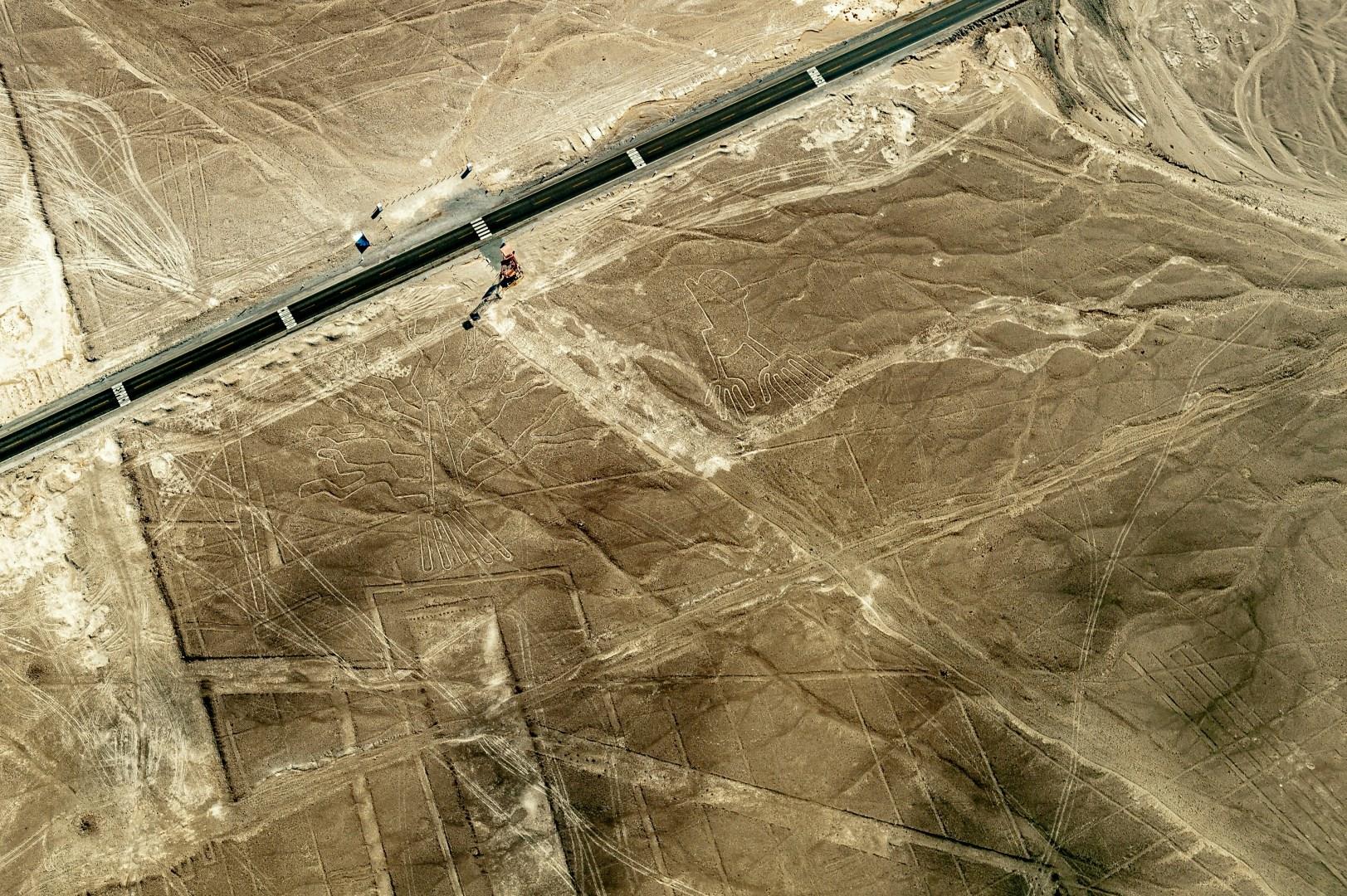
In the southern deserts of Peru, Nazca invites visitors to look beyond the horizon. This small city is world-famous for the mysterious Nazca Lines, enormous geoglyphs etched into the desert floor more than 1,500 years ago. From the air, shapes like hummingbirds, monkeys, and even a stylized astronaut come into view, some stretching over 300 meters. Their exact purpose remains a mystery, fueling decades of theories.
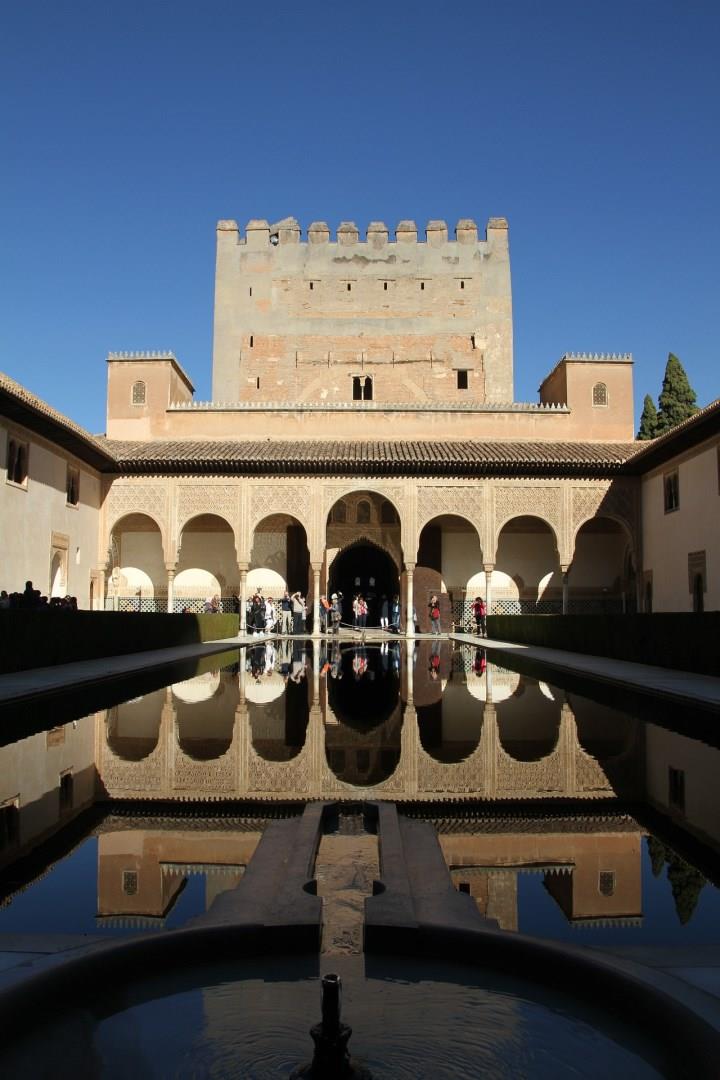
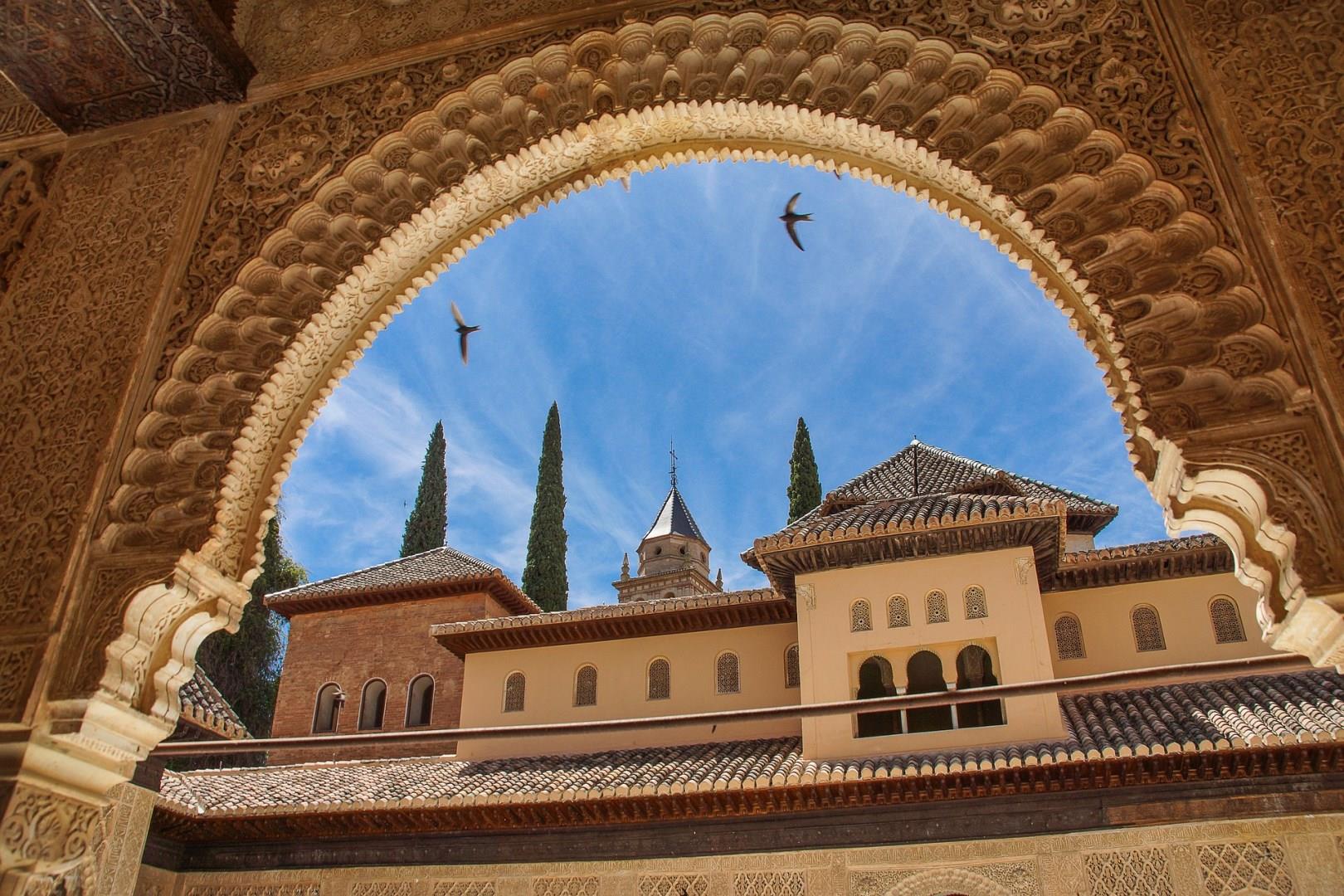
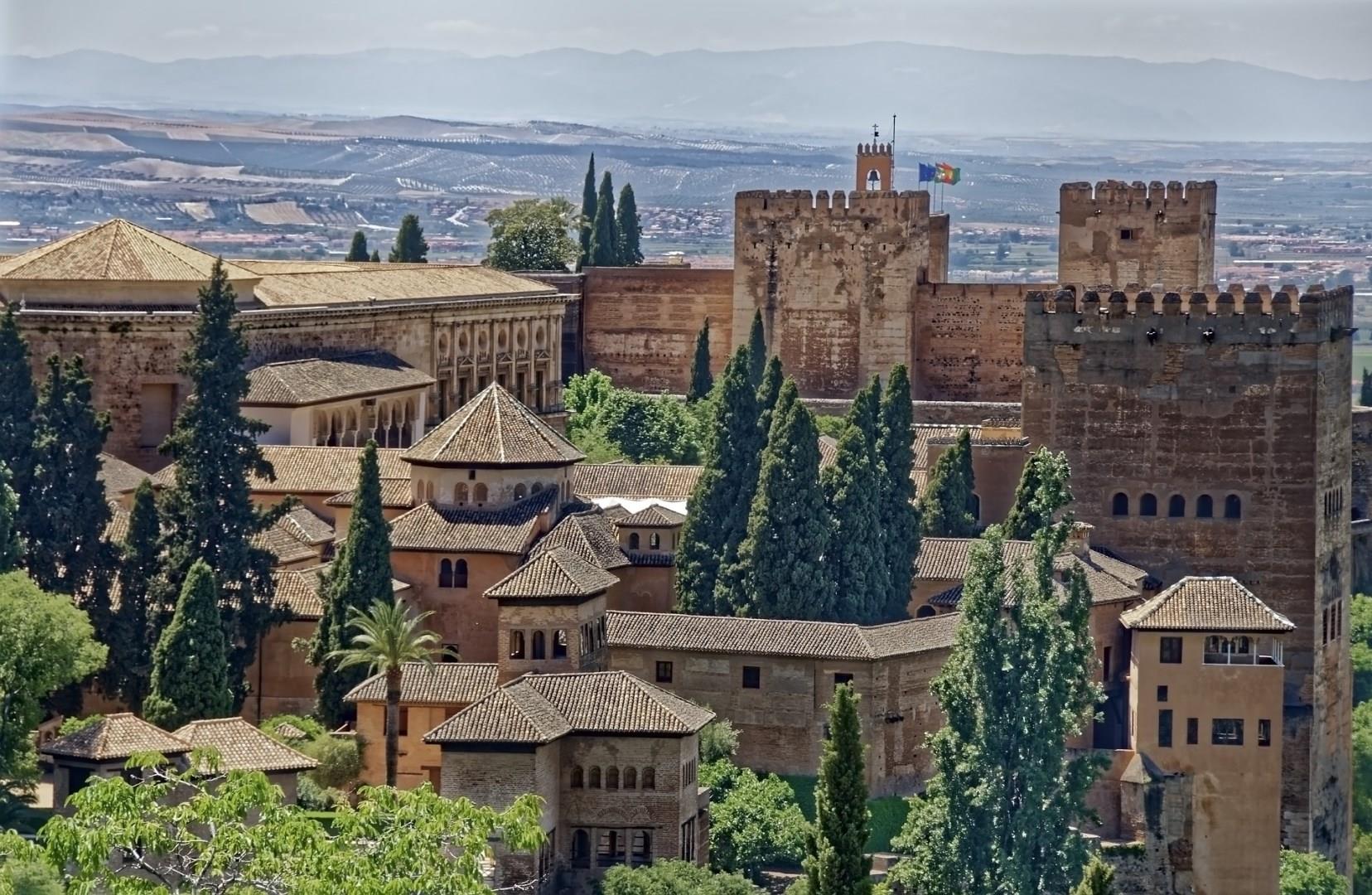
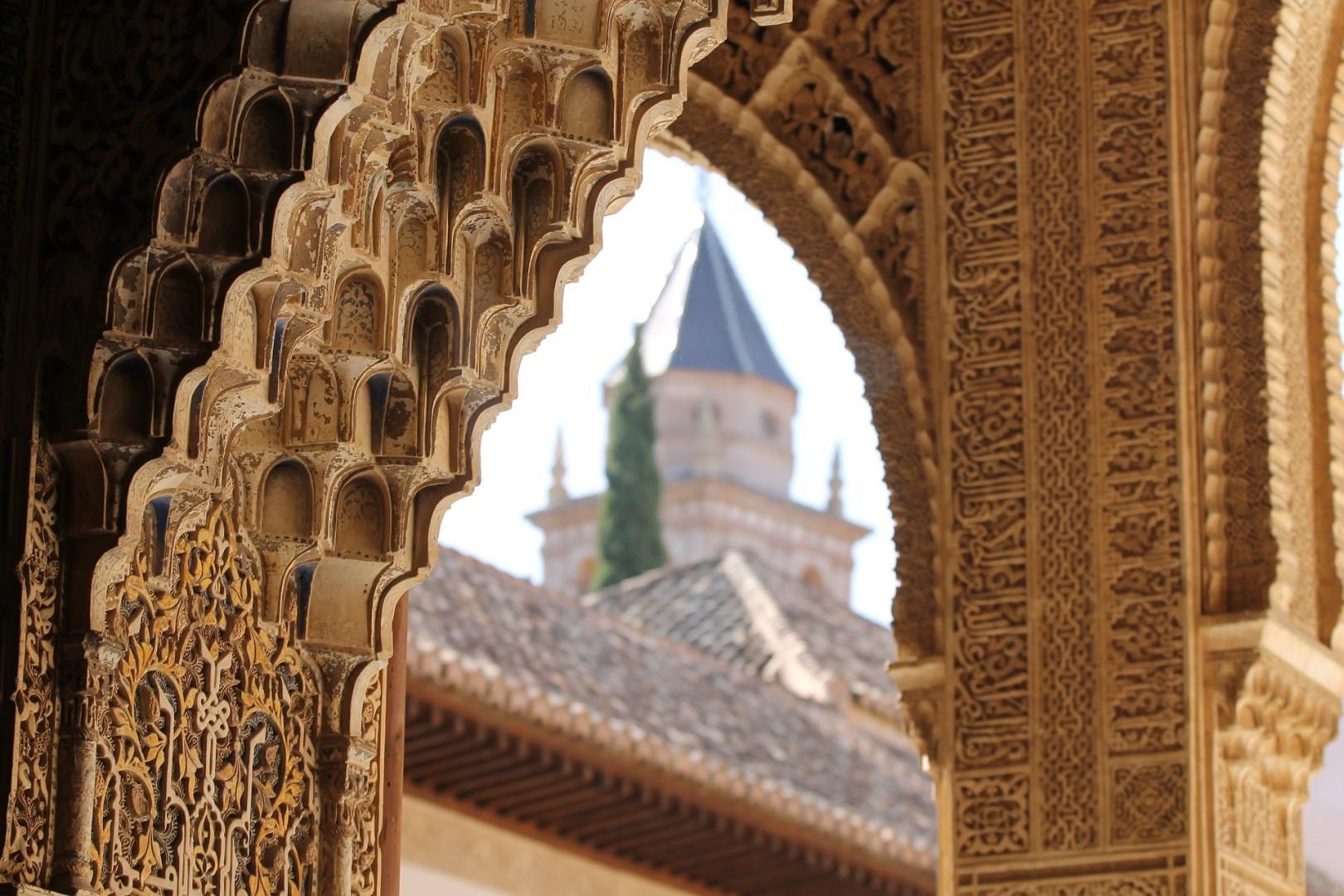
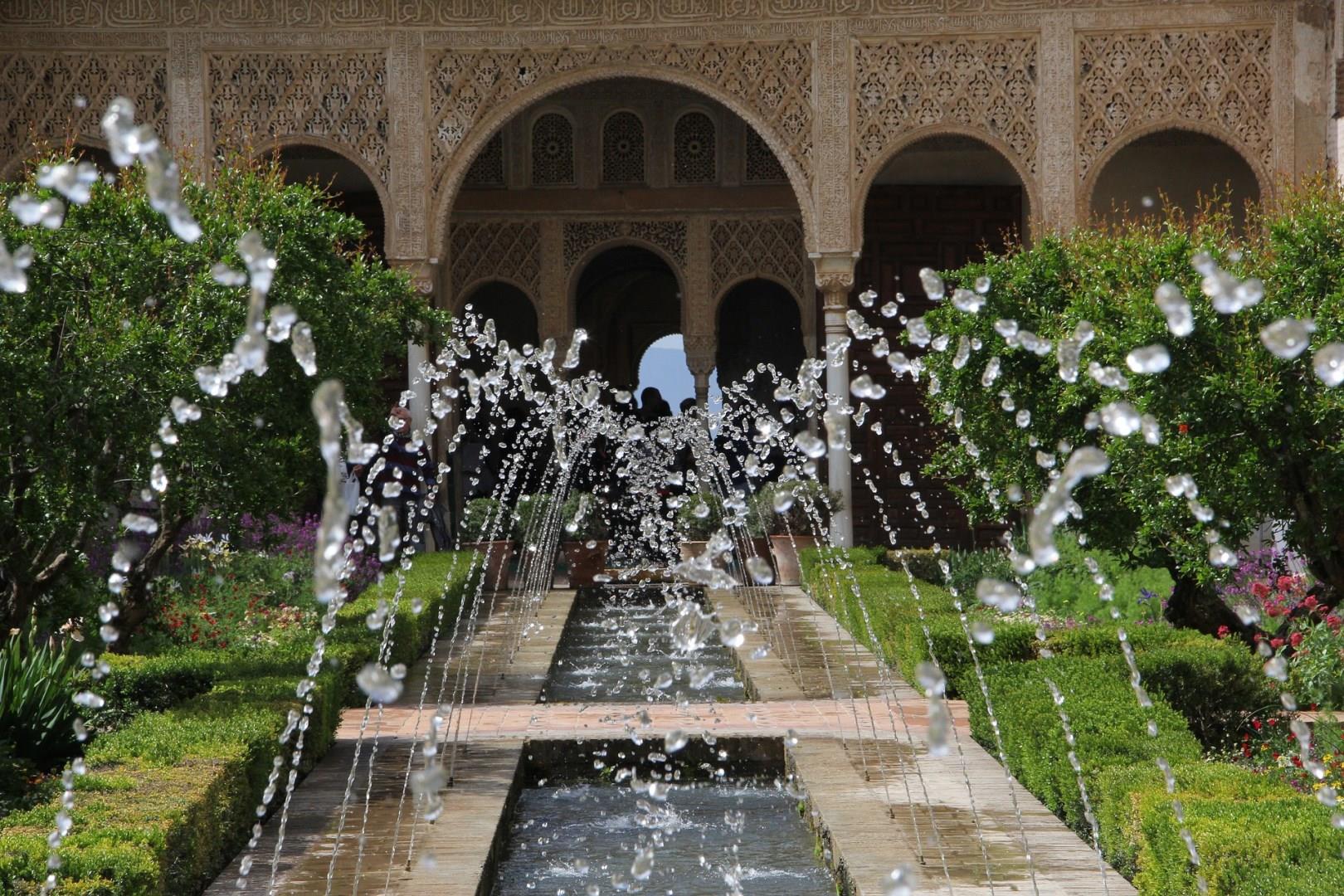
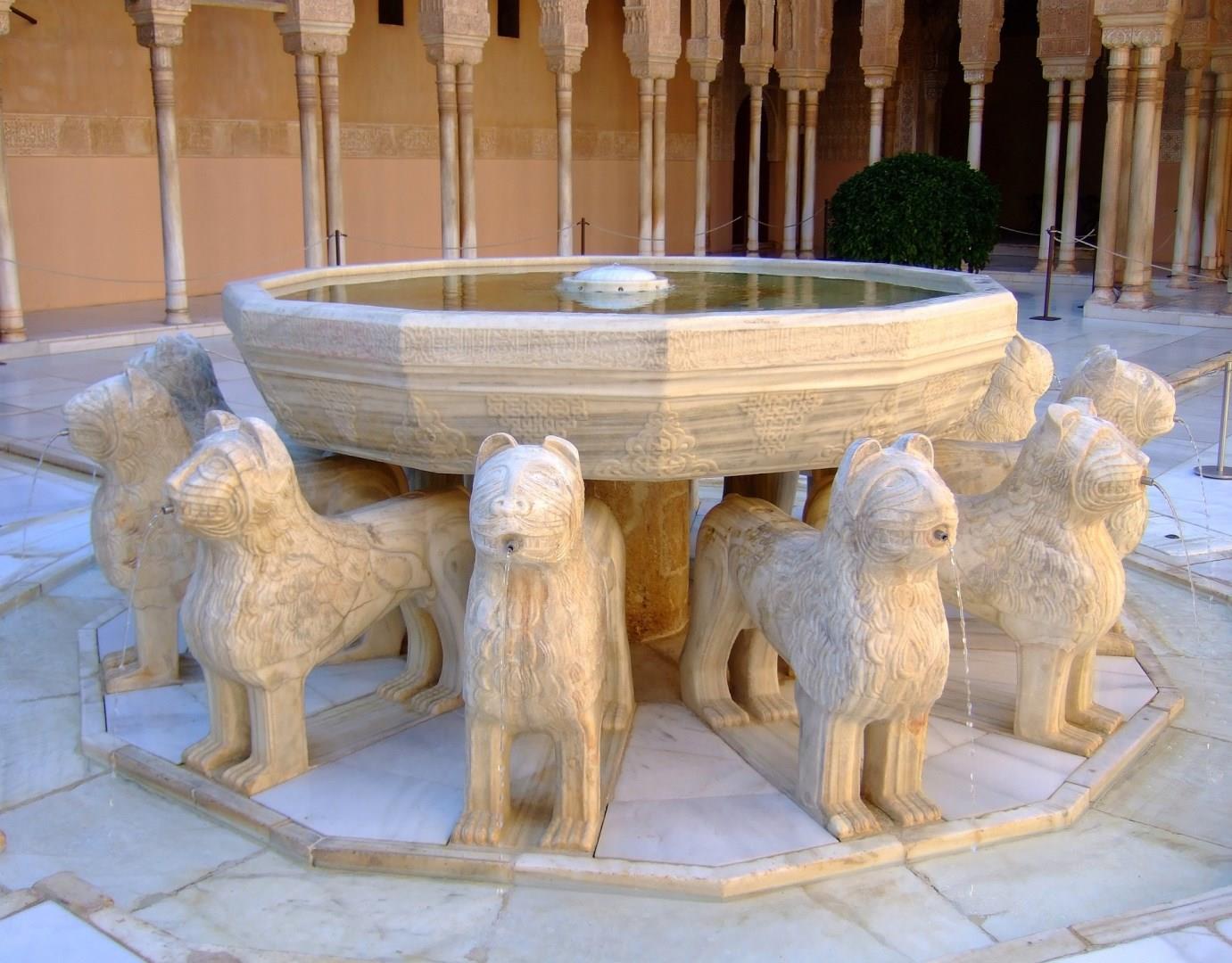
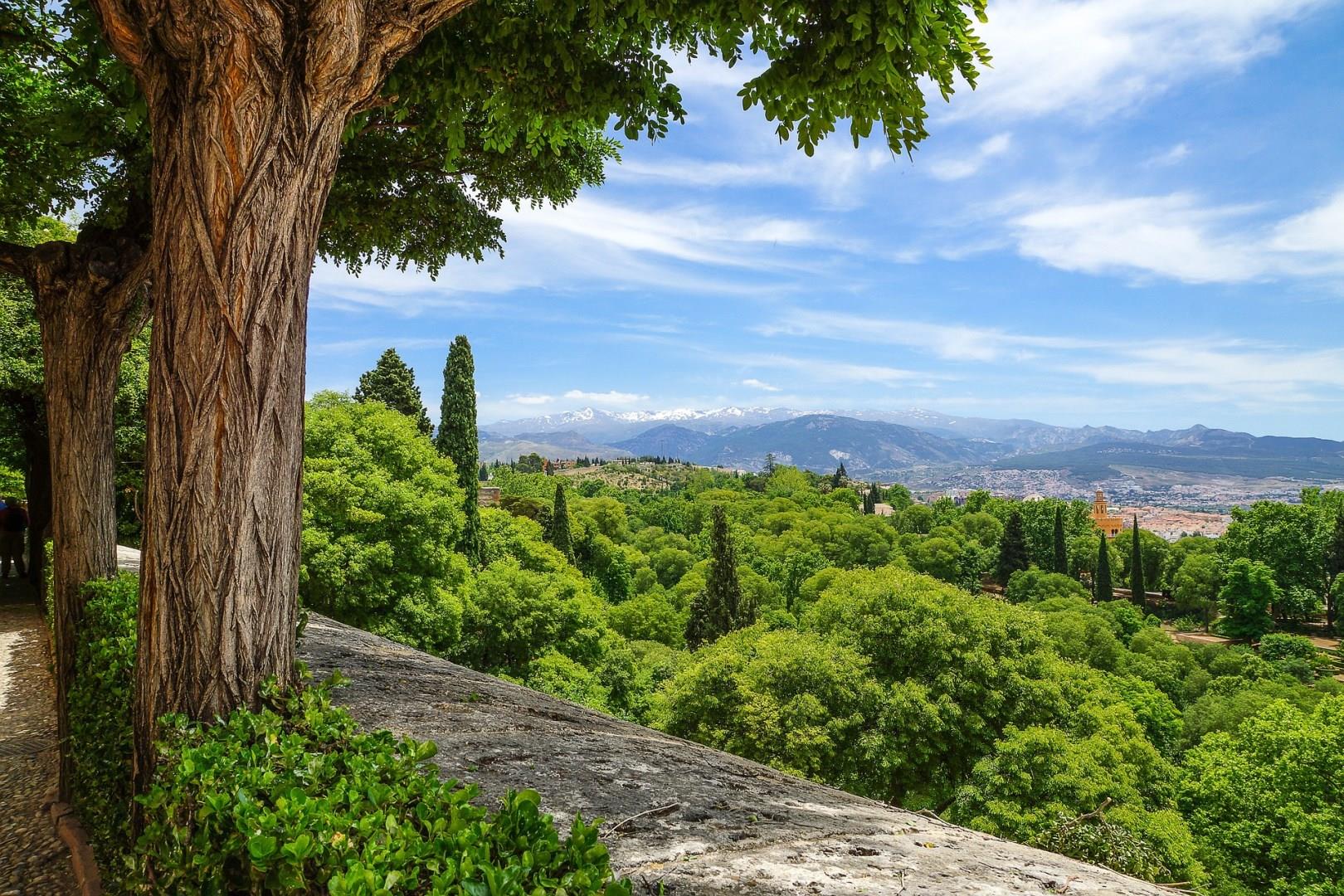
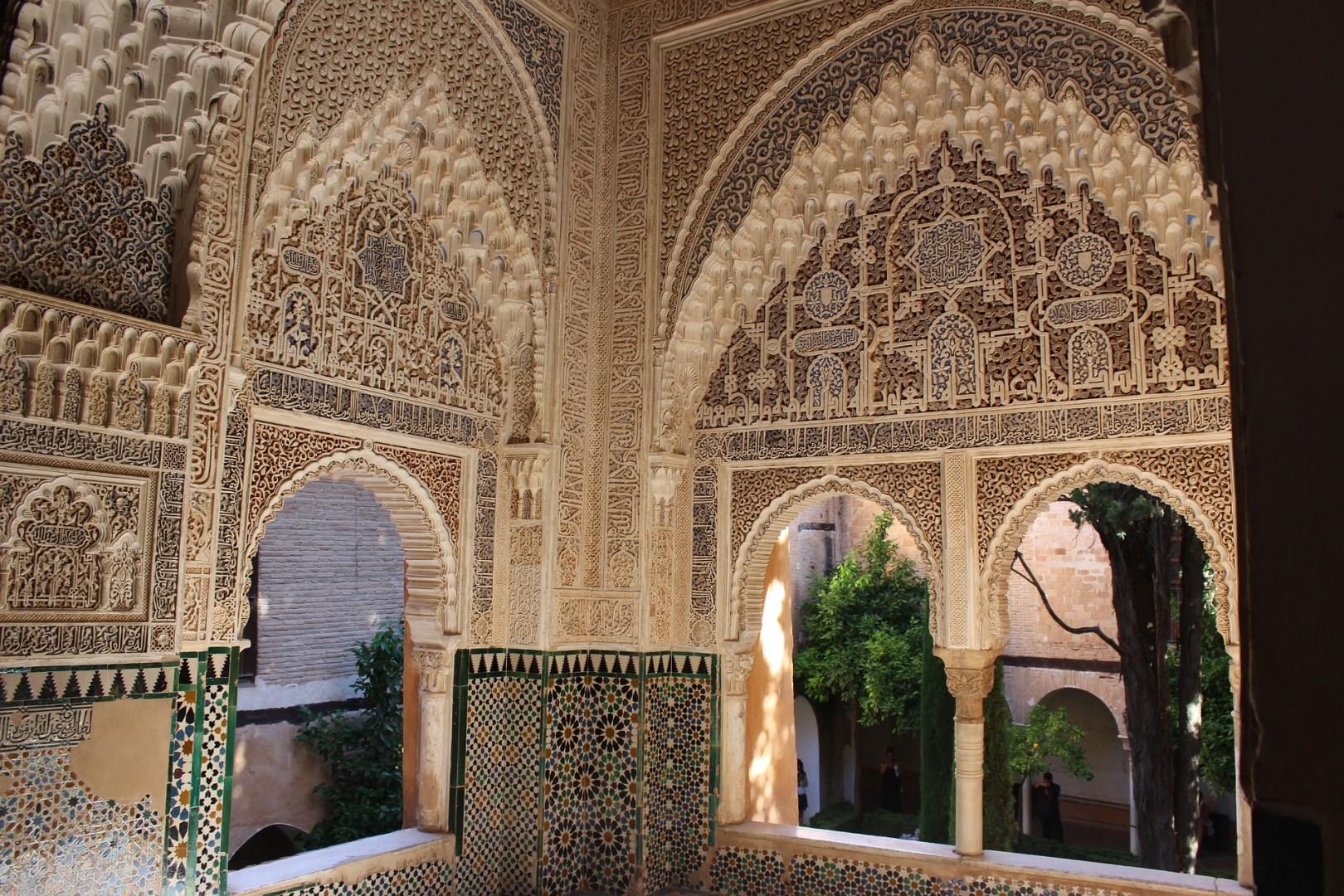
Granada, nestled at the foot of the Sierra Nevada mountains in southern Spain, is a city where history and culture converge in a mesmerizing blend. The jewel of Granada is the Alhambra, a stunning palace and fortress complex that dates back to the 13th century. This UNESCO World Heritage Site is a testament to the city's Moorish past, showcasing intricate Islamic art and architecture. Wander through the Generalife Gardens, where you can admire lush greenery and the tranquil sounds of water fountains while gazing at breathtaking views of the city below.
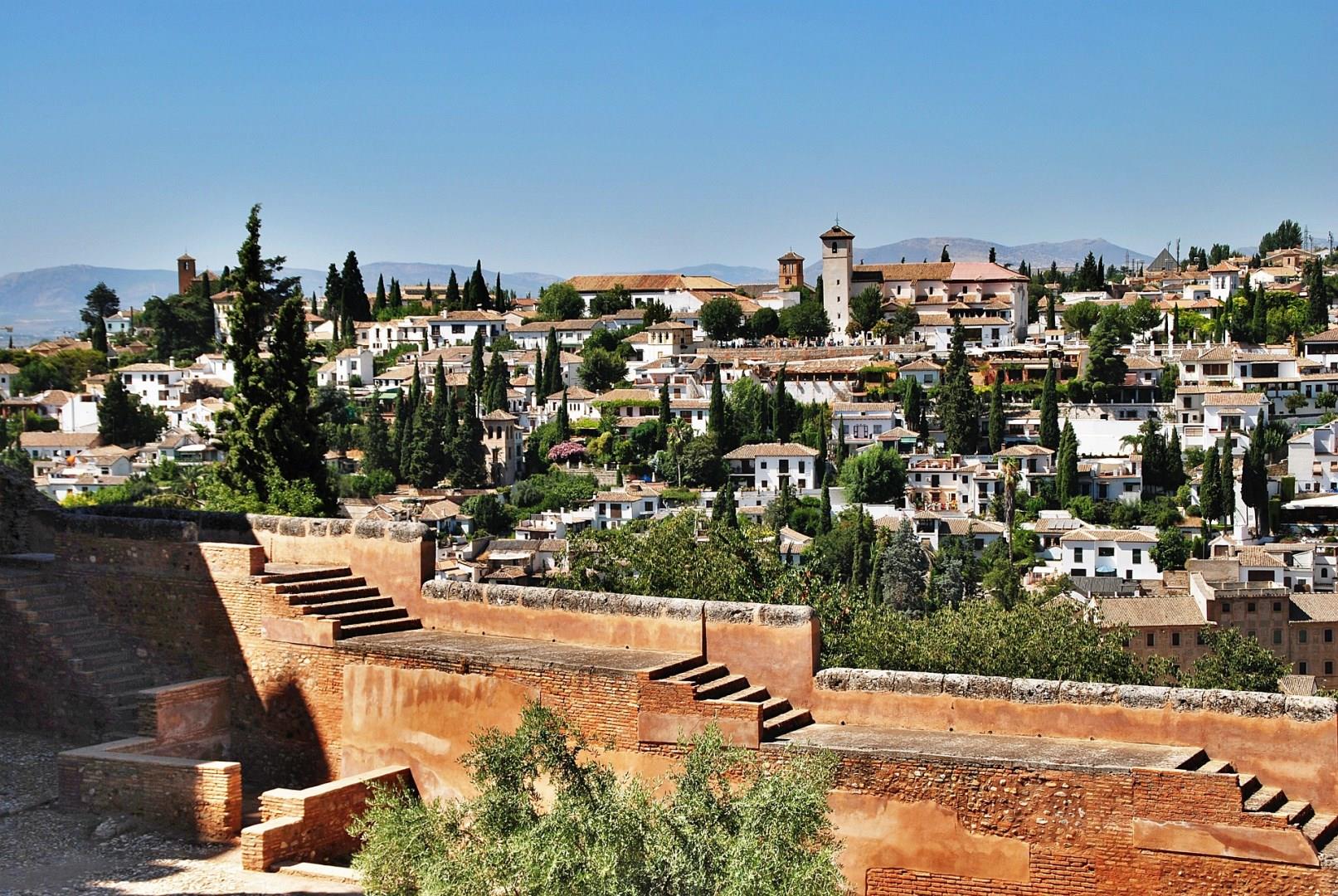
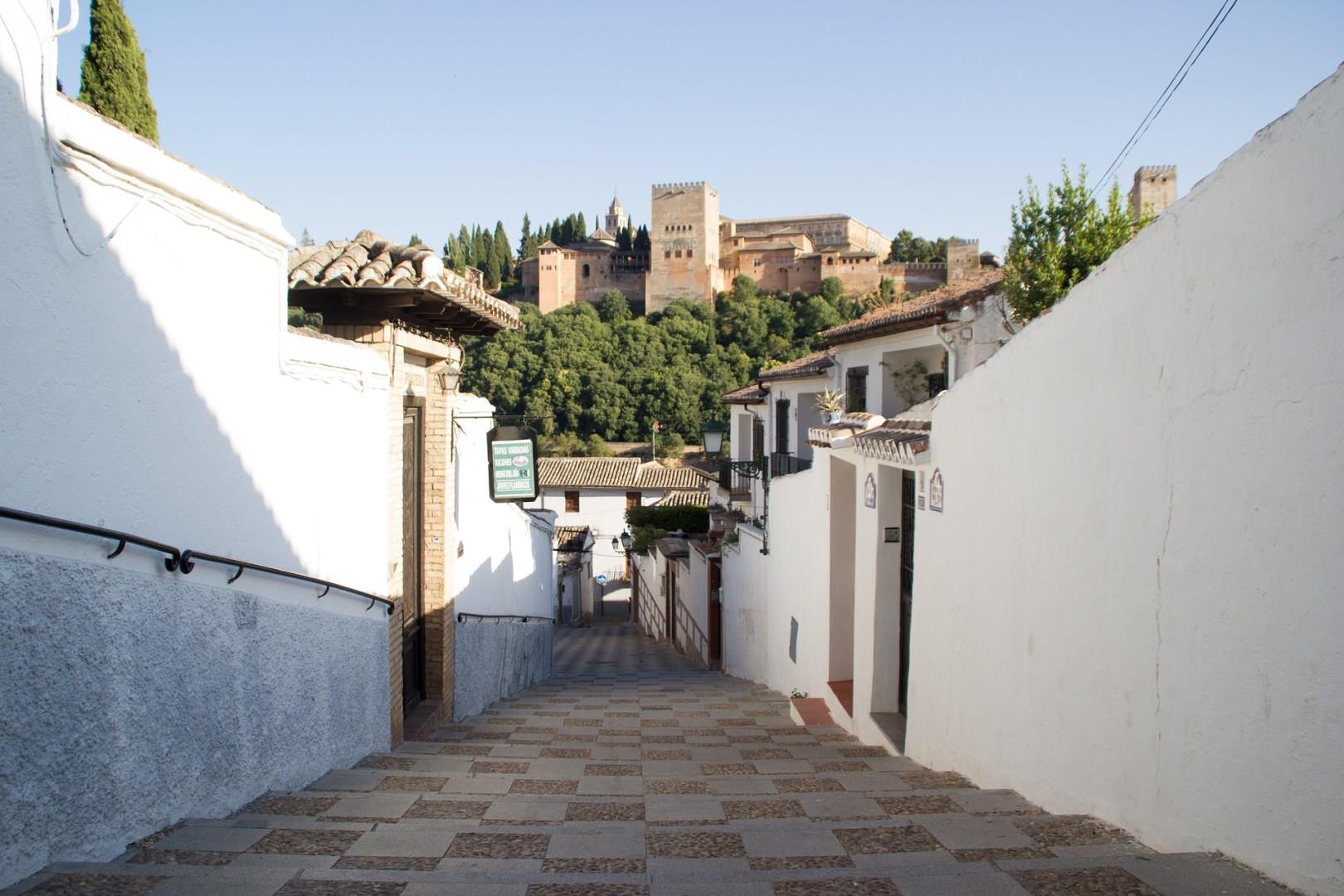
But Granada is not just about its Moorish heritage. The city is also a lively hub of Spanish culture, where flamenco music and dance are deeply ingrained in local life. The Albaicín, Granada's oldest neighborhood, offers a labyrinth of narrow, winding streets that lead to traditional tapas bars and viewpoints like Mirador de San Nicolás, which provides unparalleled views of the Alhambra against the backdrop of the snow-capped Sierra Nevada. The Cathedral of Granada, with its striking Renaissance architecture, stands as a reminder of the city's transformation following the Reconquista.
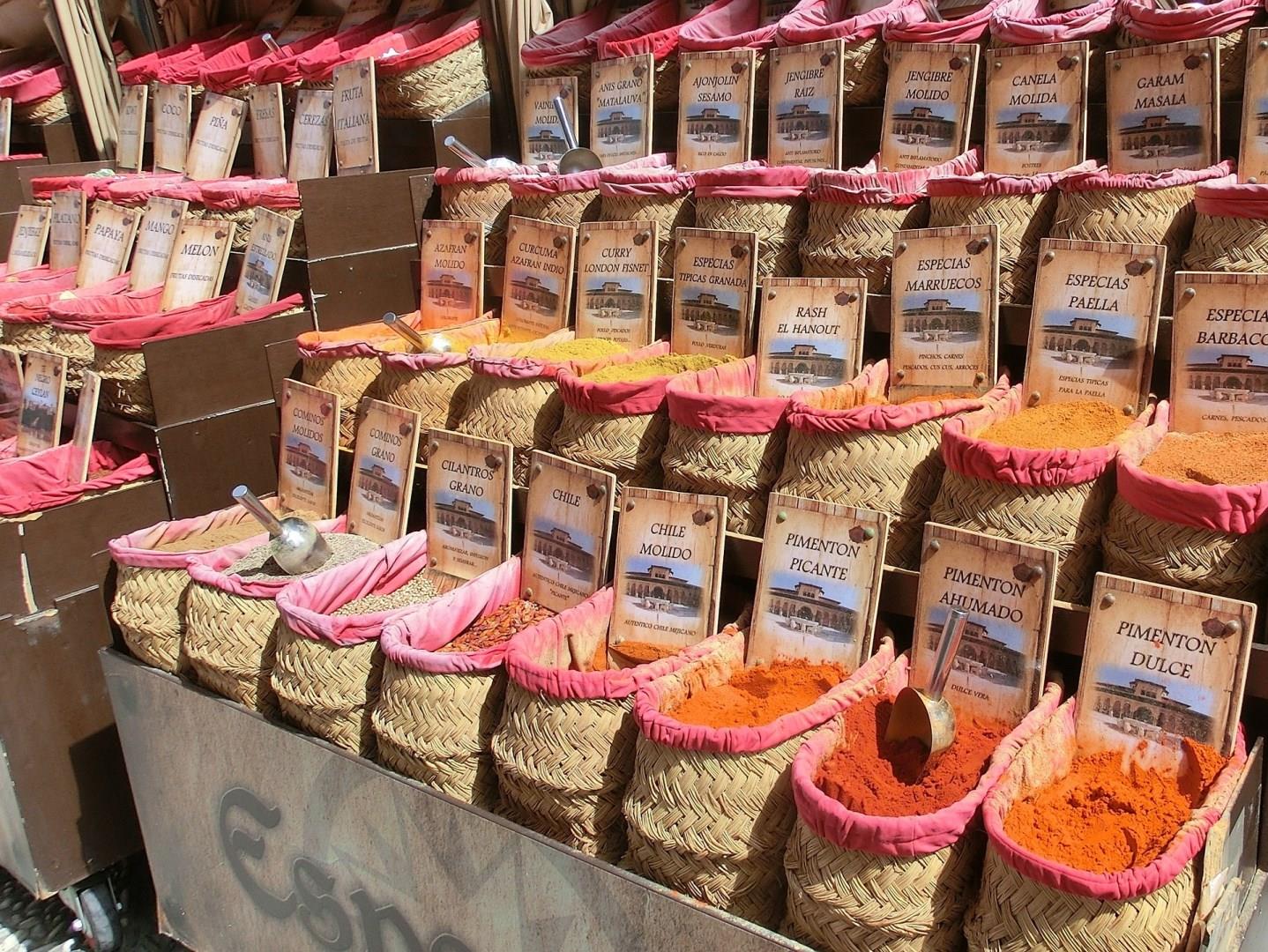
A visit to Granada isn't complete without experiencing its culinary delights. The city is famous for its free tapas culture—order a drink, and you'll receive a complimentary tapa. This tradition allows you to sample a variety of local dishes, from the savory jamón serrano to the hearty tortilla española, as you explore the city's vibrant nightlife. For a more immersive experience, consider visiting a traditional flamenco show in the Sacromonte district, where the art form was born in the caves of the Roma community.
Fun fact: Granada is one of the few cities in Spain where you can enjoy a day at the beach and ski on the same day. The Mediterranean coast is just an hour's drive away, while the Sierra Nevada Ski Resort offers some of the best skiing in Spain, making Granada a unique destination for year-round outdoor activities.