Assisi
Assisi, Italy, is a city where history and spirituality intertwine, creating an atmosphere that is both serene and awe-inspiring. Perched on the slopes of Mount Subasio in the Umbria region, Assisi is best known as the birthplace of St. Francis, one of the most beloved saints in Christianity. The city is a pilgrimage site for those seeking to walk in the footsteps of St. Francis, with the majestic Basilica of San Francesco d'Assisi standing as a testament to his enduring legacy. This UNESCO Worl

Patmos
Patmos, a gem in the Aegean Sea, is steeped in history and spirituality, offering a serene escape for travelers seeking both tranquility and rich cultural experiences. Known as the "Island of the Apocalypse," Patmos is famously where Saint John the Theologian wrote the Book of Revelation. Visitors can explore the sacred Cave of the Apocalypse, a UNESCO World Heritage Site, where the saint is said to have received his visions.

Kisoro
Kisoro is a small town in southwestern Uganda, set in the highlands near the borders of Rwanda and the Democratic Republic of the Congo. It serves as an important gateway to the Virunga Mountains and has long been shaped by its position at the crossroads of cultures, trade routes, and protected landscapes.

Bad Schandau
Nestled in the heart of Saxon Switzerland, Bad Schandau, Germany, is a picturesque spa town that enchants visitors with its stunning natural landscapes, historic charm, and wellness offerings. Set along the banks of the Elbe River and surrounded by the towering sandstone cliffs of the Elbe Sandstone Mountains, Bad Schandau serves as a gateway to the breathtaking Saxon Switzerland National Park.
Portugal
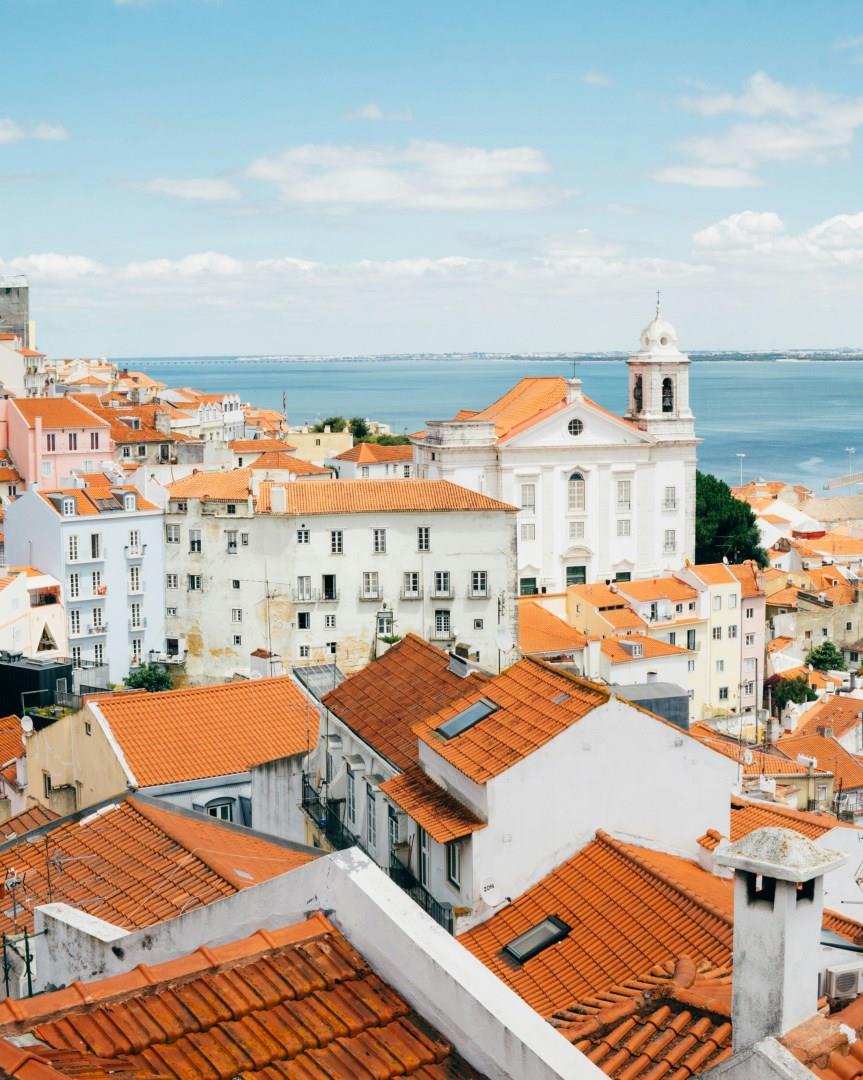
Portugal offers a layered experience shaped by maritime history, deep-rooted traditions, and a coastline that stretches for nearly 1,800 kilometers. In Lisbon, the streets of Alfama wind uphill toward São Jorge Castle, where views of red-tiled rooftops and the Tagus River reveal how the city was rebuilt after the 1755 earthquake. Trams still clatter through narrow streets, and fado music, often performed in candlelit taverns, tells stories of longing and the sea.