Skagen
Skagen, Denmark, is a picturesque coastal town where the North Sea meets the Baltic Sea, offering visitors a unique natural experience unlike any other. Known for its stunning light, which has attracted artists for centuries, Skagen is a place where art, nature, and history converge in perfect harmony.
Dead Sea
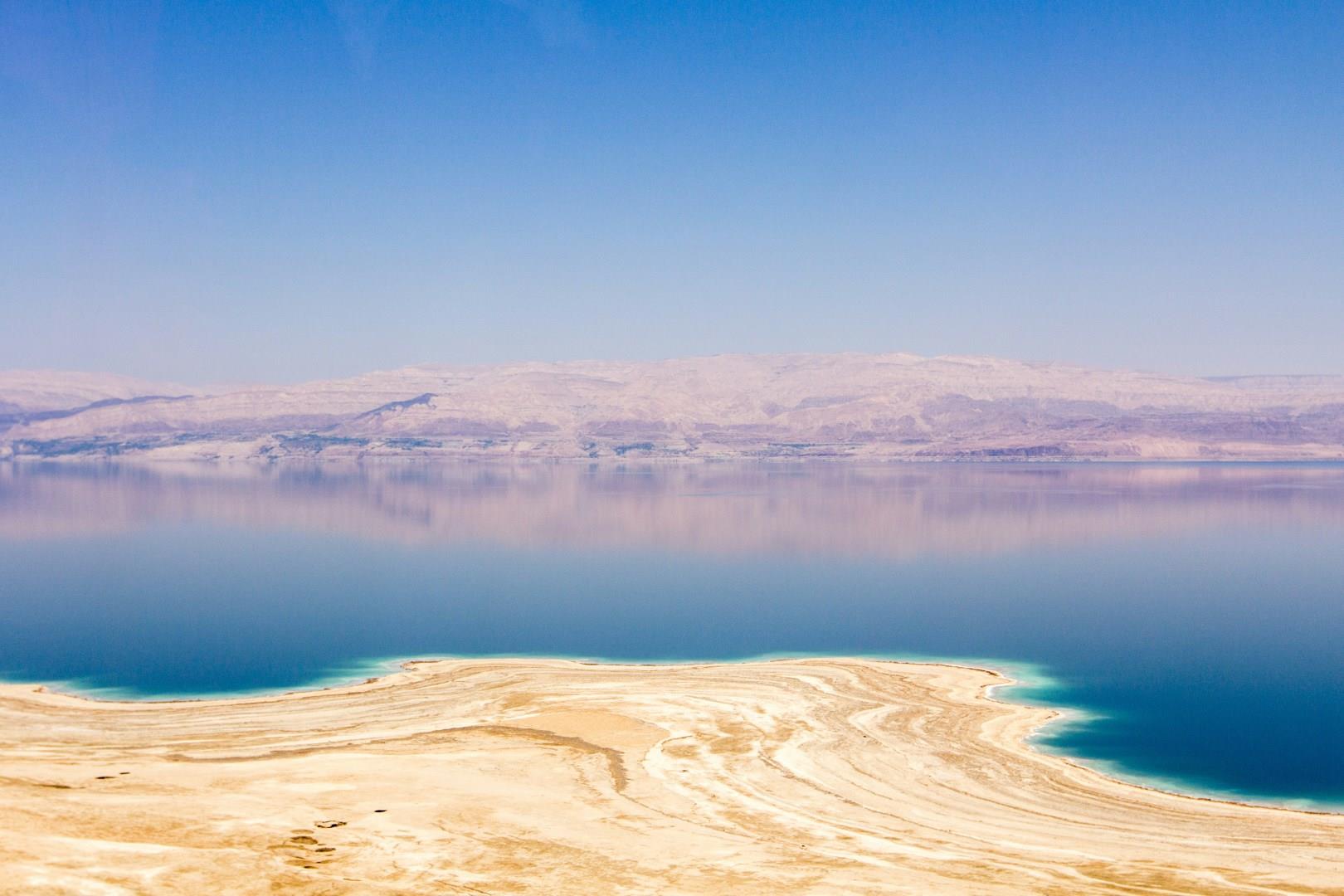
The Dead Sea lies at the lowest point on Earth, around 430 meters below sea level, and features water with nearly ten times the salinity of the ocean. That level of salinity makes floating on its surface effortless. Visitors can lie back without effort, with views opening across barren hills and reflective water. This shoreline also hosts a mix of minerals collected over millennia and known for their soothing effect on skin and joints.

Dominica
Dominica, known as the “Nature Island of the Caribbean,” is a haven for eco-tourists and adventure seekers. Nestled between the French islands of Guadeloupe and Martinique, this lush island boasts a remarkable landscape of volcanic mountains, dense rainforests, and stunning waterfalls. Dominica’s most iconic natural wonder is the Boiling Lake, the second-largest hot spring in the world.
Madang Papua
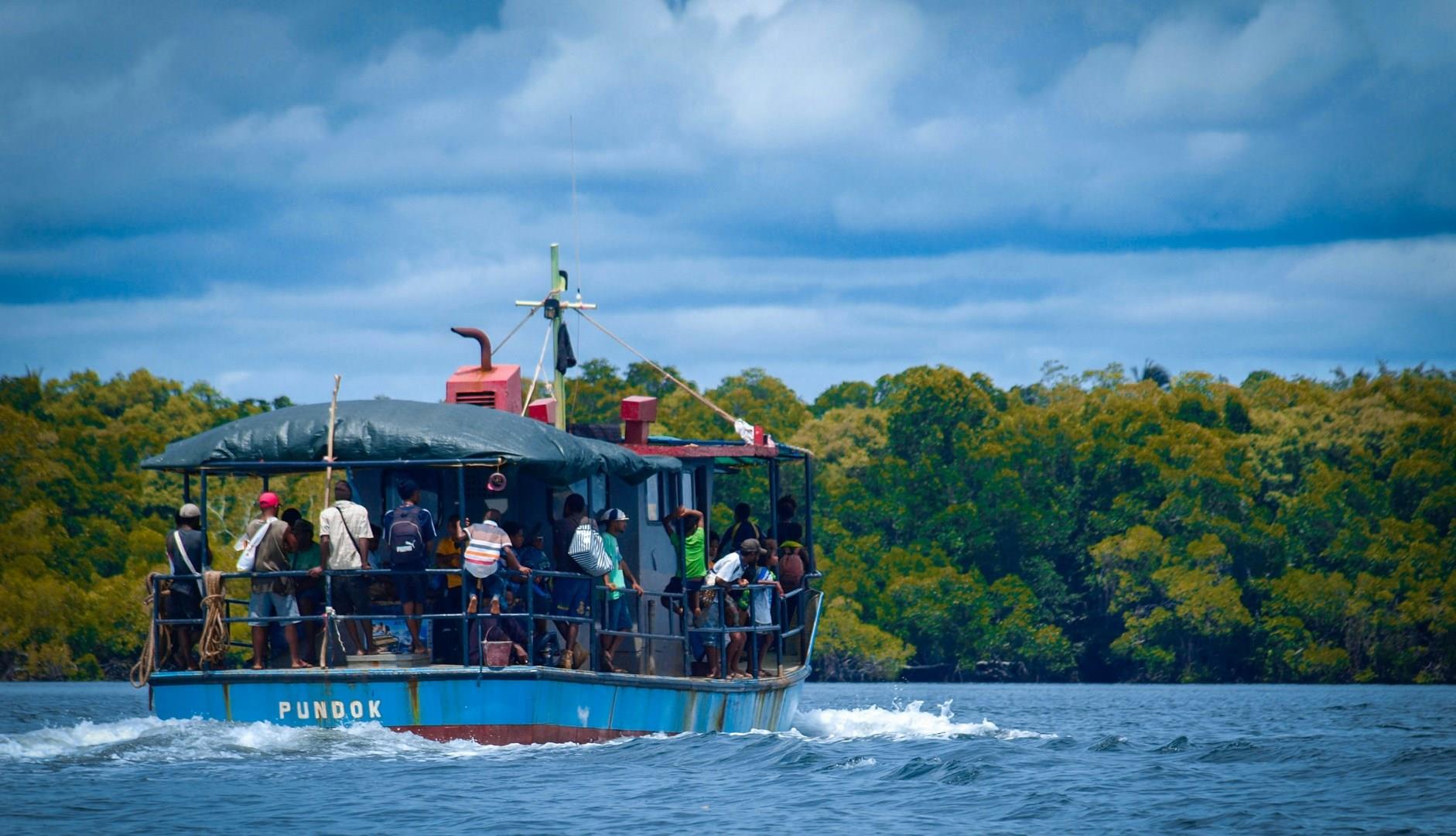
Madang, perched on the edge of Astrolabe Bay, feels like a well-kept secret of Papua New Guinea that’s framed by lush jungles and dotted with volcanic isles. Every June, Madang pulses with energy at the annual Madang Festival. Villages from across the province gather for ceremonies where dancers don feathered costumes, shells, and body paint. The beat of kundu drums rises through the air and stories woven in movement.

Skopje
Skopje, the capital of North Macedonia, offers a fascinating blend of ancient history and modern transformation. A walk through the city reveals layers of Roman, Byzantine, and Ottoman influences, making it a treasure trove for history lovers. Begin your journey at the iconic Stone Bridge, a symbol of the city that dates back to the 15th century, linking the Ottoman Old Bazaar with Skopje’s modern city center.