

Lanzarote
Lanzarote, the northernmost of the Canary Islands, is a striking destination characterized by its volcanic landscapes and unique architectural heritage. Known for its otherworldly scenery, the island boasts a remarkable volcanic terrain shaped by eruptions in the 18th and 19th centuries. The Timanfaya National Park is a highlight, where visitors can witness geothermal demonstrations and explore the dramatic lava fields on a guided tour.

Española Island
Española Island lies in the southeastern part of the Galápagos archipelago. Highlights of this tropical paradise include Punta Suarez, a popular scenic point for bird watching, and the beaches of Bahía Gardner on the island's north coast.
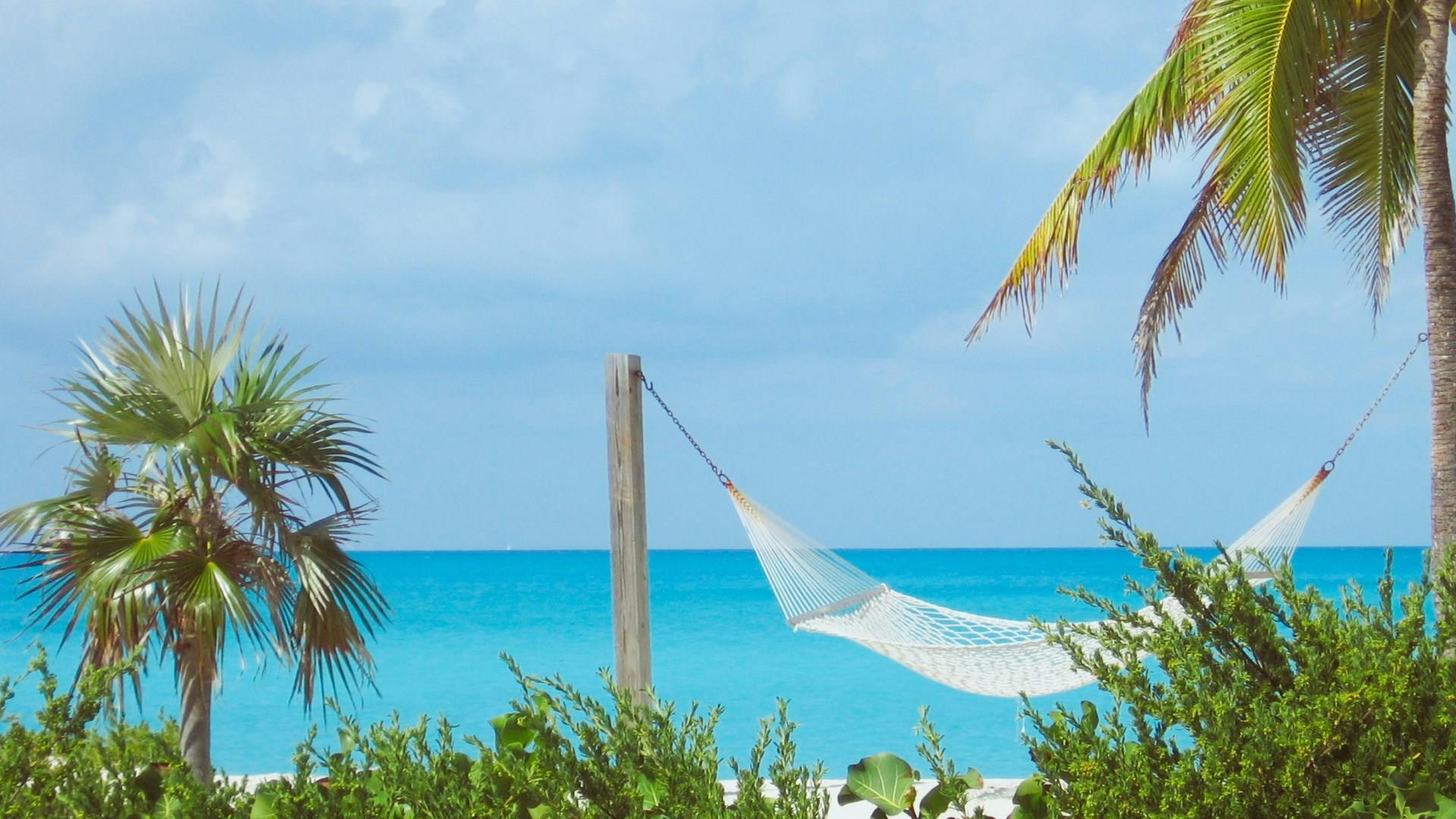
Cat Island
Cat Island, one of the more unspoiled Out Islands of The Bahamas, is a destination that feels worlds away from the busier resort hubs. Stretching about 50 miles long, the island is lined with pink-sand beaches, rolling green hills, and quiet fishing villages where time seems to stand still.
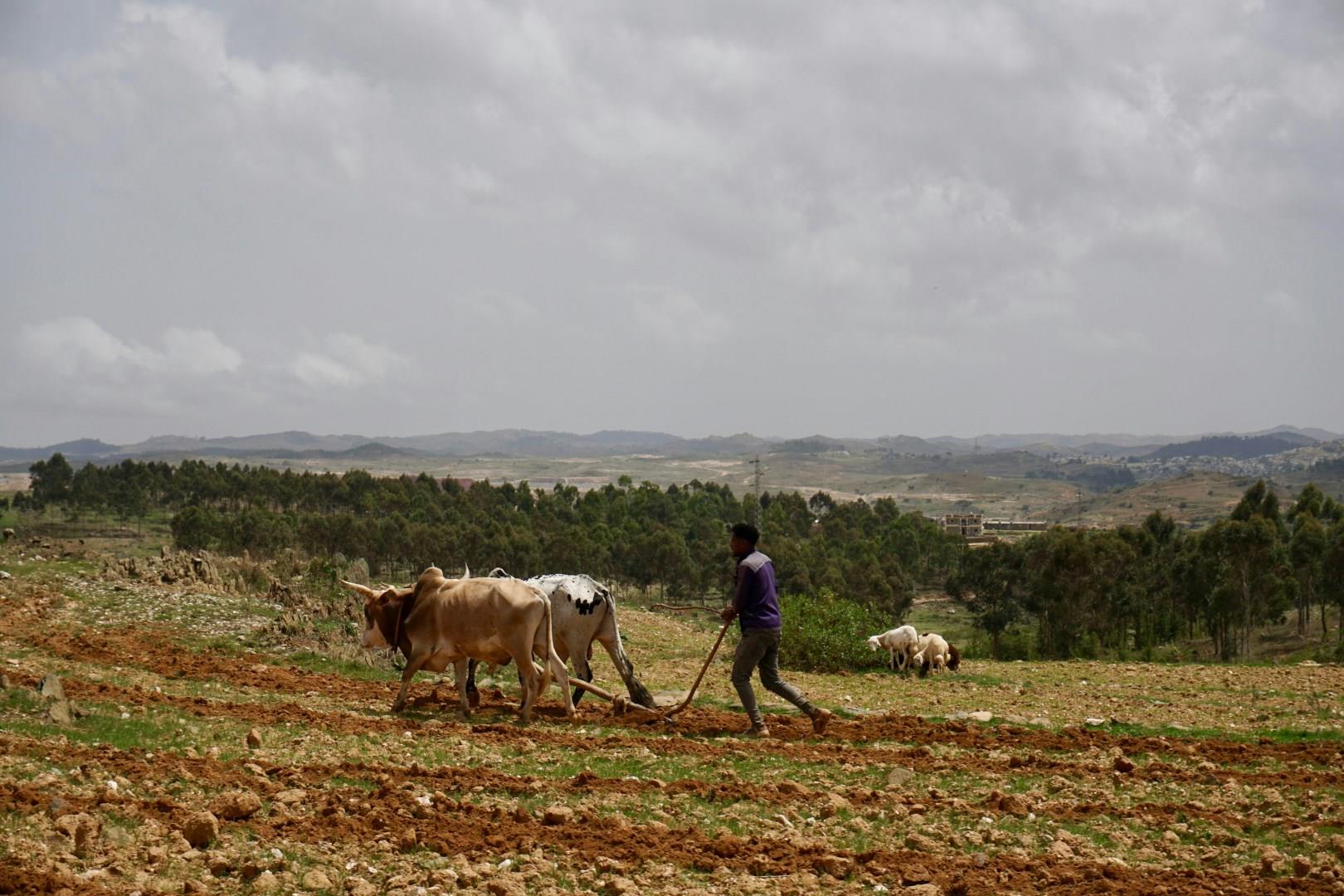
Asmara
Asmara, the capital of Eritrea, is a city where time seems to have paused in the mid-20th century. Known for its remarkably preserved Italian modernist architecture, the city has earned recognition as a UNESCO World Heritage Site.
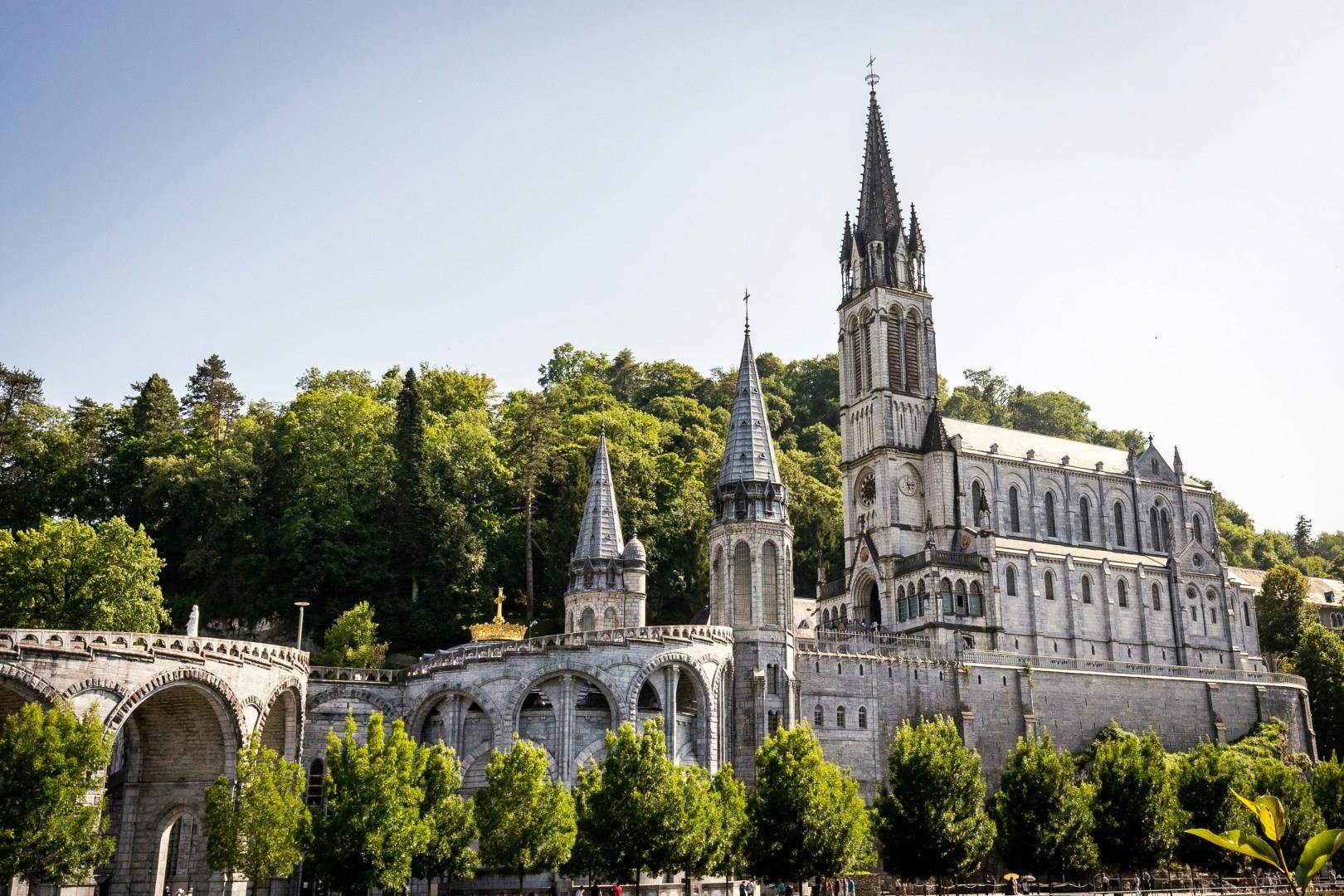
Lourdes
Located at the foot of the Pyrenees in southwestern France, Lourdes is best known for the Marian apparitions reported by 14-year-old Bernadette Soubirous in 1858. These events transformed the small market town into one of the most visited pilgrimage sites in the world. The Sanctuary of Our Lady of Lourdes, which includes the Grotto of Massabielle, the Basilica of the Immaculate Conception, and the underground Basilica of St. Pius X, draws millions each year.


