Livorno
Situated on the coast of Tuscany near the Tyrrhenian Sea, Livorno, Italy, is a popular stop on Mediterranean cruises and an important commercial and industrial port. It was founded on a former auxiliary Pisan port between the late 16th and early 17th centuries on the orders of the Grand Duke Cosimo I, who made it Tuscany's main outlet to the sea.
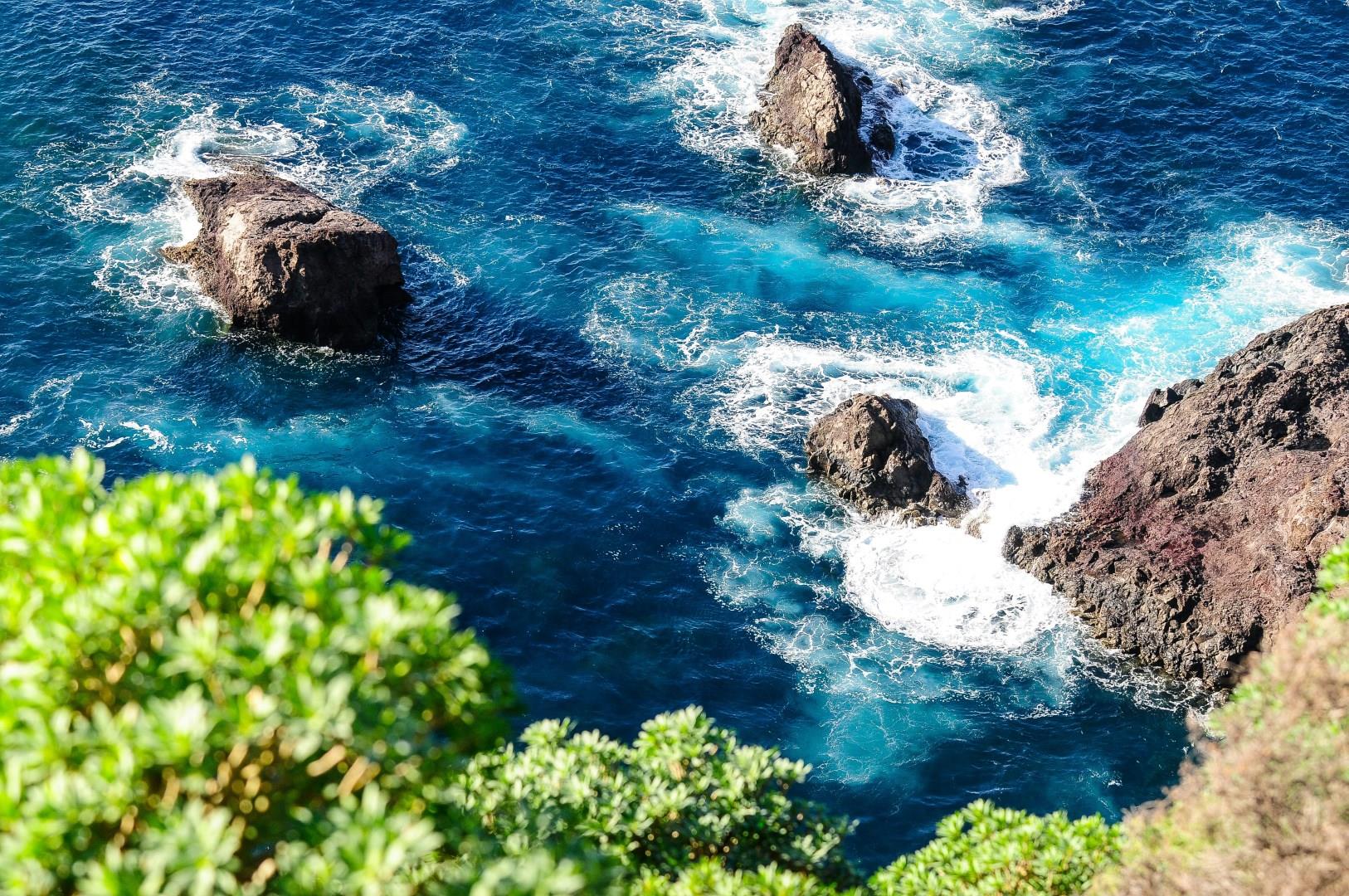
La Palma
La Palma (also San Miguel de La Palma) is the fifth of Spain's Canary Islands. This mountainous volcanic island is a natural wonder of tropical vegetation. Its coast is lined by jagged cliffs and plunging ravines, and its beaches are covered with black sand. Thanks to dry climate and the height of its mountains creating excellent observation conditions, La Palma has become the home of some of the world's largest telescopes, seated on the rocky ridge called El Roque de los Muchachos.
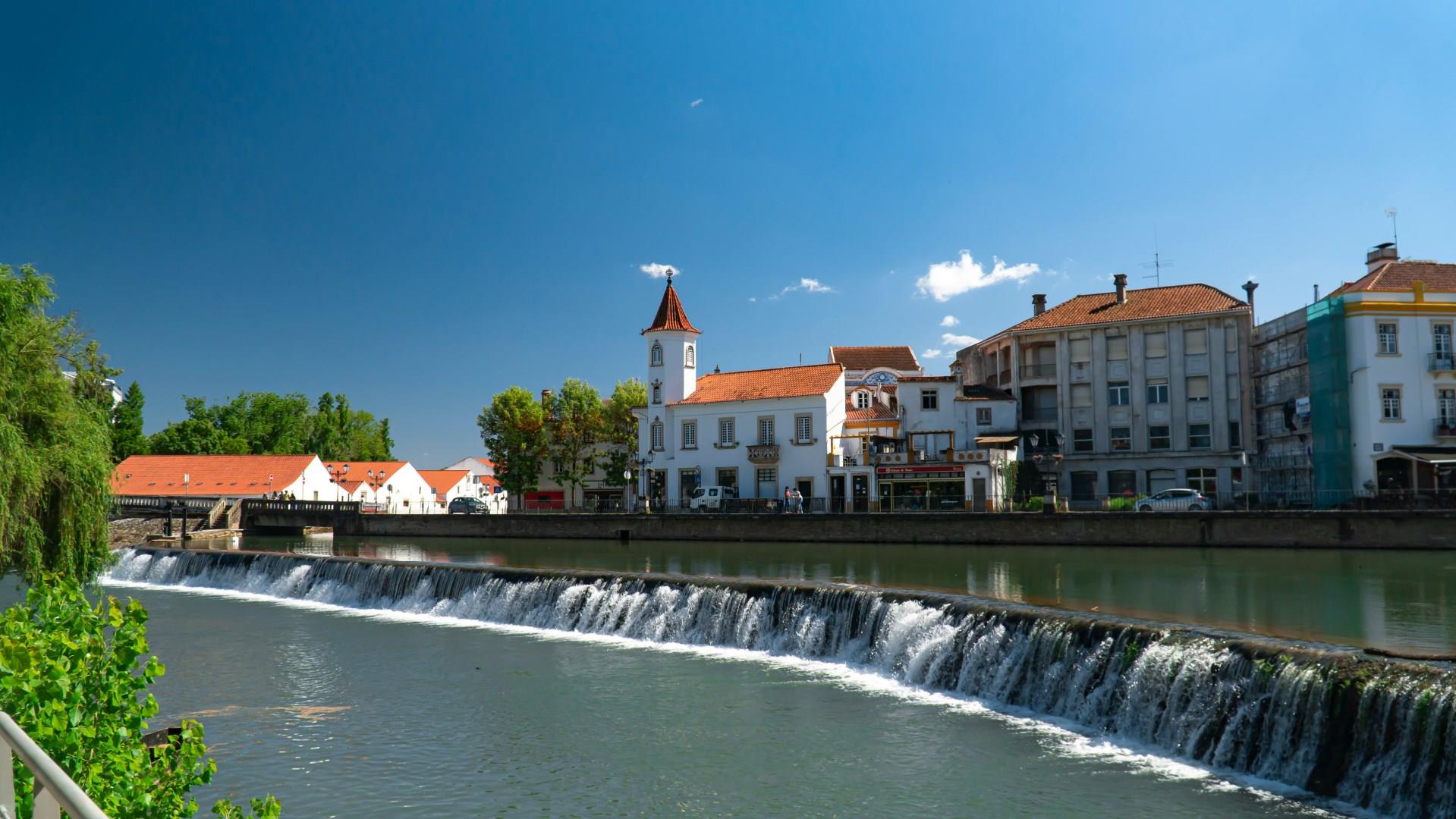
Tomar
Tomar sits on the Nabão River in central Portugal as a place where medieval history and everyday life meet in welcoming streets and grand monuments. Just outside the convent walls lies the Pegões Aqueduct, an impressive feat of engineering more than 6 kilometers long that once carried water from distant springs to the hilltop site. Some sections of its arches rise more than 30 meters above the valley floor, making it a striking backdrop for photos.

Mara River
The Mara River in Tanzania is a natural wonder that draws adventurers and wildlife enthusiasts alike. Flowing through the heart of the Serengeti and into Kenya’s Maasai Mara, this river is best known as the lifeblood of the Great Migration. Each year, from July to October, millions of wildebeest, zebras, and gazelles make a perilous crossing of the Mara. It’s a spectacle of nature that leaves visitors in awe, making it one of Africa’s most sought-after safari experiences.
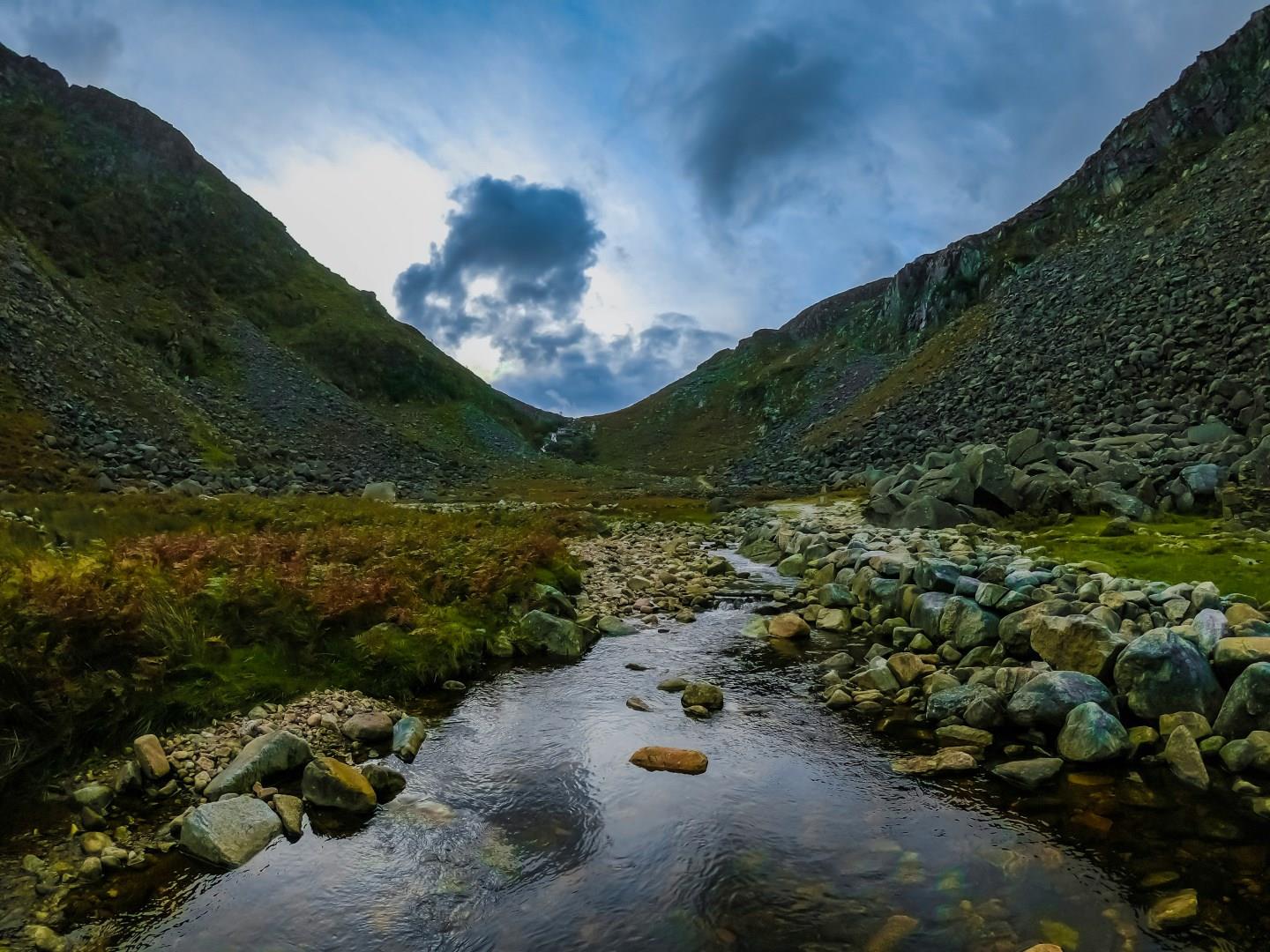
Glendalough
Glendalough, located in County Wicklow, is one of Ireland’s most historically significant and visually striking valleys. It’s best known for its early medieval monastic site, founded by St. Kevin in the 6th century. The round tower, cathedral ruins, and stone churches that remain today are surrounded by forests, lakes, and mountain trails, creating a setting that feels both ancient and untouched.