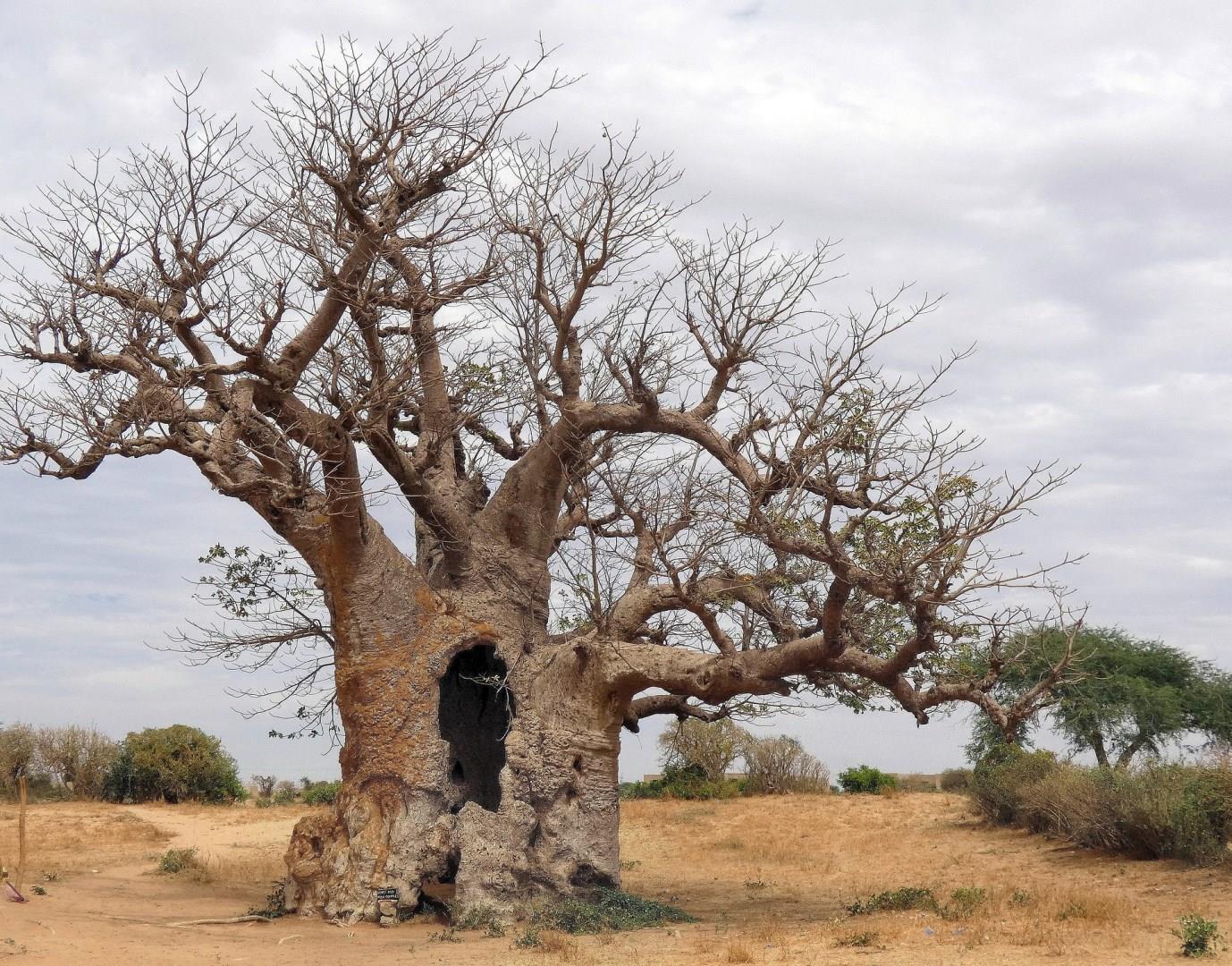
Senegal, located on the westernmost tip of Africa, is a country where vibrant traditions meet striking natural beauty. Its capital, Dakar, sits on the Cape Verde Peninsula and is known for its bustling markets, lively music scene, and impressive art galleries.
Nagoya’s charm lies in its ability to connect the past and future. Whether exploring historical landmarks, marveling at technological achievements, or indulging in the city’s distinct cuisine, visitors to Nagoya will find themselves immersed in a dynamic and unforgettable experience.
Osijek, located in the eastern part of Croatia, is a city that blends rich history, vibrant culture, and a lively atmosphere. Situated along the banks of the Drava River, Osijek is the fourth-largest city in the country and the cultural and economic center of the Slavonia region.
Geneva is a cosmopolitan metropolis proud of her traditions. It is the international meeting place of many worldwide organizations including the United Nations and W.H.O. The symbol of the city, the Jet D'Eau is located on the picturesque lake which is surrounded by the splendid gardens and parks. The elegant city has an astonishing variety of boutiques and department stores filled with every imaginable item.
Easter Island, or Rapa Nui, is a remote gem in the southeastern Pacific Ocean that promises an extraordinary journey into the mysteries of Polynesian culture and history. Famous for its monumental stone statues known as moai, Easter Island captivates visitors with its enigmatic past. These colossal statues, crafted between 1400 and 1650 AD, are scattered across the island and are a testament to the islanders' sophisticated artistry and social organization. The moai can be explored at various archaeological sites, such as Rano Raraku, the quarry where these statues were carved, and Ahu Tongariki, which boasts the island’s largest moai platform with 15 statues.
The island’s rich cultural heritage is also on display at the Rapa Nui National Park, a UNESCO World Heritage Site that encompasses most of the island’s archaeological treasures. Visitors can delve into the island's history at the Museo Antropológico Sebastián Englert, which houses artifacts and exhibits on the island's unique Polynesian culture and the history of the moai statues. The island’s traditional dance and music performances offer an immersive experience into the local customs and traditions, with vibrant, rhythmic performances that bring the island’s cultural tapestry to life.
Natural beauty complements the historical allure of Easter Island. The island features stunning landscapes, including the volcanic craters of Rano Kau and the lush scenery of the island’s interior. The beaches of Anakena, with their white sand and turquoise waters, provide a perfect spot for relaxation and swimming. Hiking enthusiasts can enjoy trails leading to panoramic views from the island’s volcanic peaks or explore hidden caves and lava tubes.
Fun fact: Easter Island is one of the most remote inhabited islands in the world, situated over 2,000 miles (3,200 kilometers) from the nearest continental landmass, making it a true journey to the edge of the world.