

Saint-Tropez
Saint-Tropez, located on the glamorous French Riviera, epitomizes luxury and allure. Once a quaint fishing village, this iconic destination has evolved into a playground for celebrities and discerning travelers. Visitors are greeted by the picturesque Old Port, lined with elegant yachts and vibrant cafés where you can savor the Mediterranean ambiance. The colorful façades and narrow streets of the old town offer a charming backdrop for leisurely strolls and lively markets.
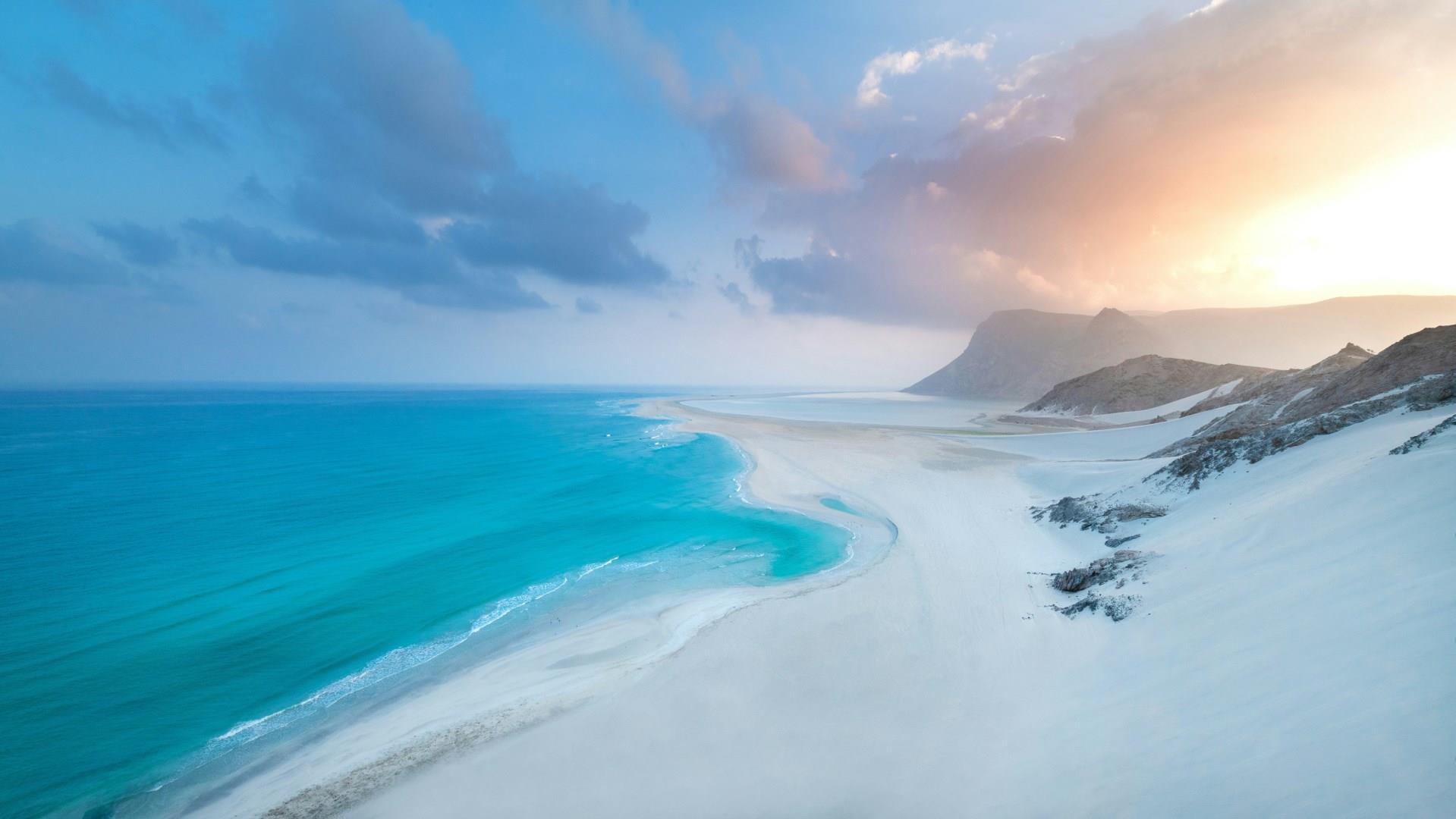
Socotra
Socotra rises from the Arabian Sea like a world apart, its landscapes shaped over millennia. The Dragon’s Blood Trees, with their umbrella-shaped crowns and deep red sap, stand among the most iconic sights here. In places like Dixam Plateau and Homhil Forest, these trees gather in sparse formations, creating scenes that feel both ancient and alien. The resin remains valued for traditional dyes and remedies.

Sorrento
Nestled along the cliffs of the Gulf of Naples, Sorrento will charm you with its picturesque scenery and breathtaking coastal views. Three hours south of metropolitan Rome, Sorrento provides easy access to many of Italy’s most beloved destinations, including Naples, Pompeii, Amalfi, and Capri.

American Samoa
American Samoa consists of a group of seven islands in the southern Pacific Ocean, comprising Tutuila; the Manua group, consisting of Tau, Olosega, and Ofu; Aunuu; Rose Island; and Swains Island.
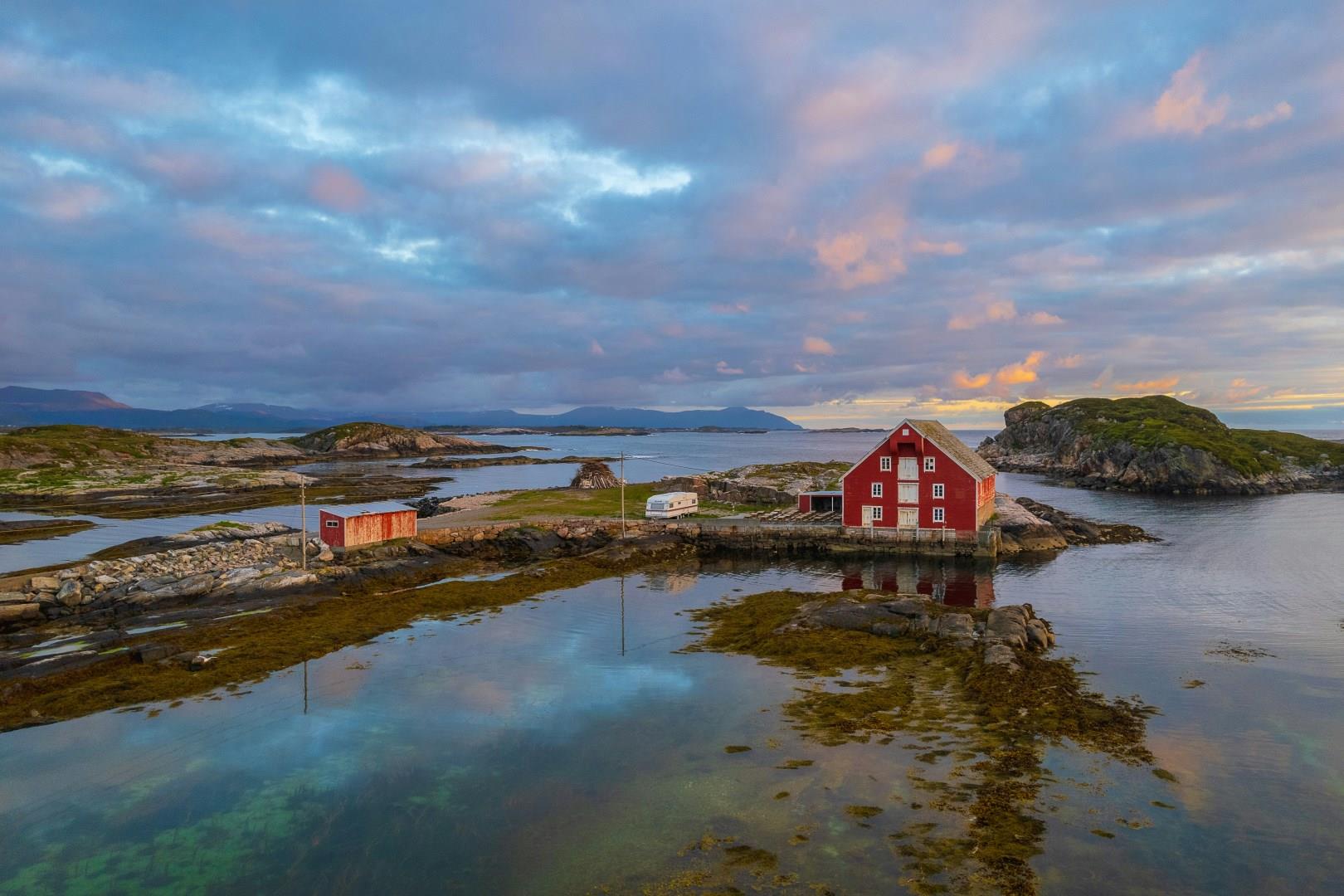
Kristiansund
Kristiansund is a town facing the North Atlantic, on the west coast of Norway. Both its history and geographical position are unique. It is not a big town and does not have a large population, but the friendly attitude of the people who live here and their way of life, makes it a town with a big heart. Its business centre is close to green parks and small forests. The beautiful view of the surrounding mountains completes the picture.


