

Waikiki, Oahu
Waikiki, located on the island of Oahu, is a world-renowned destination that perfectly captures the spirit of Hawaii. Known for its iconic crescent-shaped beach, warm turquoise waters, and vibrant nightlife, Waikiki is where Hawaiian royalty once surfed and relaxed, and it remains a hotspot for both relaxation and adventure today.

Dominica
Dominica, known as the “Nature Island of the Caribbean,” is a haven for eco-tourists and adventure seekers. Nestled between the French islands of Guadeloupe and Martinique, this lush island boasts a remarkable landscape of volcanic mountains, dense rainforests, and stunning waterfalls. Dominica’s most iconic natural wonder is the Boiling Lake, the second-largest hot spring in the world.
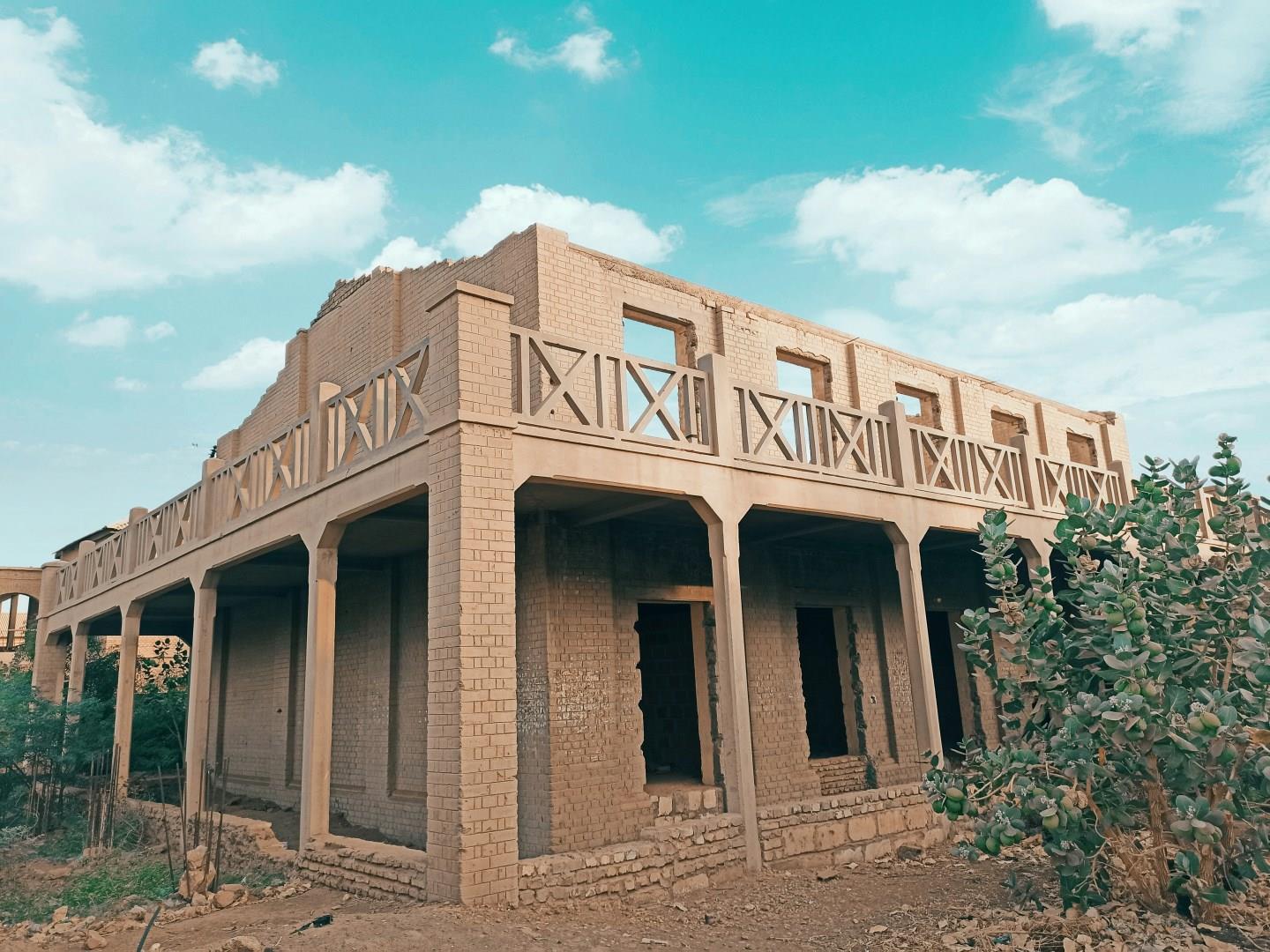
Sudan
Sudan, located in northeastern Africa, is a country of diverse landscapes, from the vast Sahara Desert in the north to the fertile Nile Valley in the center. The Nile River, one of the world’s longest, runs through the country, shaping both its agriculture and history.

Cayman Islands
The Cayman Islands, a trio of tropical gems in the western Caribbean, are renowned for their crystalline waters, coral reefs, and relaxed island lifestyle. Grand Cayman, the largest, is home to the famous Seven Mile Beach, a stretch of soft white sand fringed by turquoise seas.

Las Vegas
Las Vegas, Nevada, is an electrifying city where glitz and glamour meet entertainment and excitement. Known as "The Entertainment Capital of the World," Las Vegas offers an unparalleled array of attractions, from its iconic casinos and luxurious hotels to its world-class dining and live shows. The city's entertainment scene is second to none, featuring legendary headliners, cutting-edge performances, and an array of themed attractions.


