

Golden Circle
The Golden Circle is Iceland’s premier tourist route, offering a breathtaking journey through some of the country’s most iconic natural wonders. The route typically starts in Reykjavik and circles through Þingvellir National Park, the Geysir geothermal area, and Gullfoss waterfall. At Þingvellir, visitors can stand where the North American and Eurasian tectonic plates meet and explore the site of the world’s oldest parliament, established in 930 AD.
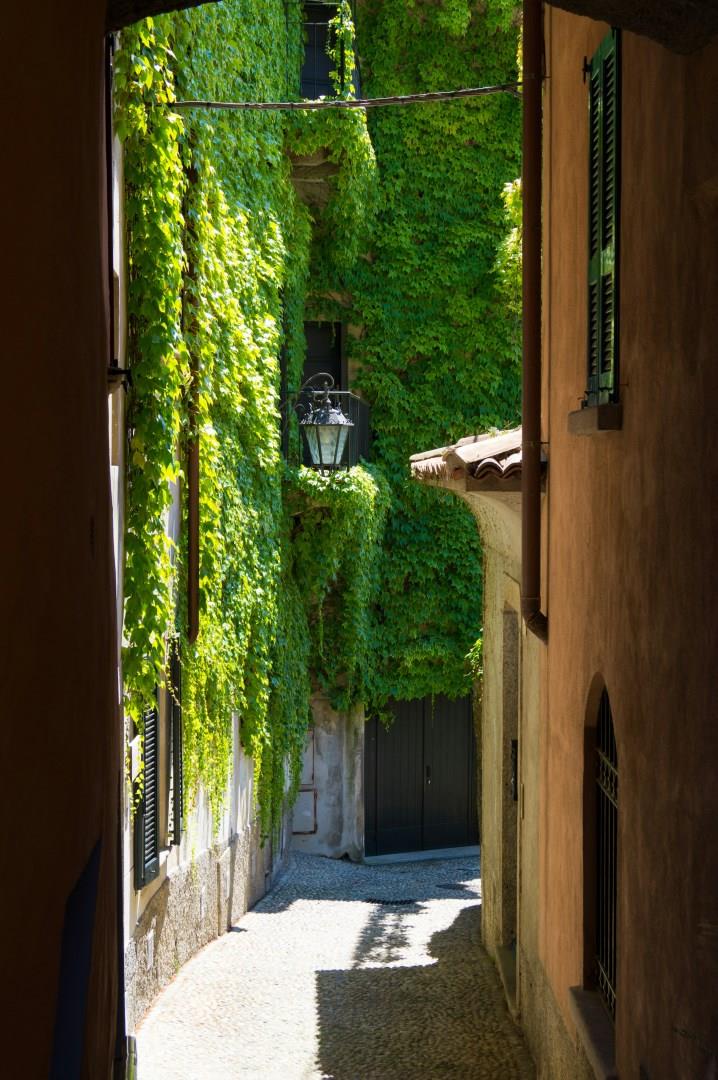
Bellagio
Perched at the meeting point of Lake Como’s three branches, Bellagio is often called the “Pearl of Lake Como” for its spectacular setting and timeless elegance. This Italian village has been a retreat for centuries, drawing poets, aristocrats, and travelers alike with its harmonious blend of natural beauty, refined architecture, and relaxed sophistication.

Cape Cod
Cape Cod, Massachusetts, is a captivating destination known for its scenic beauty and charming coastal villages. Stretching out into the Atlantic Ocean, Cape Cod offers a quintessential New England experience with its pristine beaches, historic lighthouses, and quaint towns. A visit to the Cape Cod National Seashore is a must, where visitors can explore miles of sandy shores, salt marshes, and tidal flats.

Cotswolds
The Cotswolds, a quintessentially English region known for its rolling hills, honey-colored stone cottages, and picturesque villages, offers a serene escape into the heart of the English countryside. Stretching across several counties, including Gloucestershire and Oxfordshire, the Cotswolds is designated as an Area of Outstanding Natural Beauty (AONB), a testament to its stunning landscapes and charming heritage.

Lake Louise
Nestled within the stunning Banff National Park in Alberta, Canada, Lake Louise is a paradise for nature lovers and adventure seekers alike. This world-renowned destination is famous for its striking turquoise lake, surrounded by the majestic Rocky Mountains. The lake, often described as one of the most beautiful in the world, is fed by the melting glaciers, creating its characteristic vibrant blue hue.


