Egypt is a land of timeless wonders, where ancient history meets modern vibrancy. The Great Pyramids of Giza, the Sphinx, and the Temple of Karnak are just a few of the awe-inspiring monuments that attract millions of tourists each year.
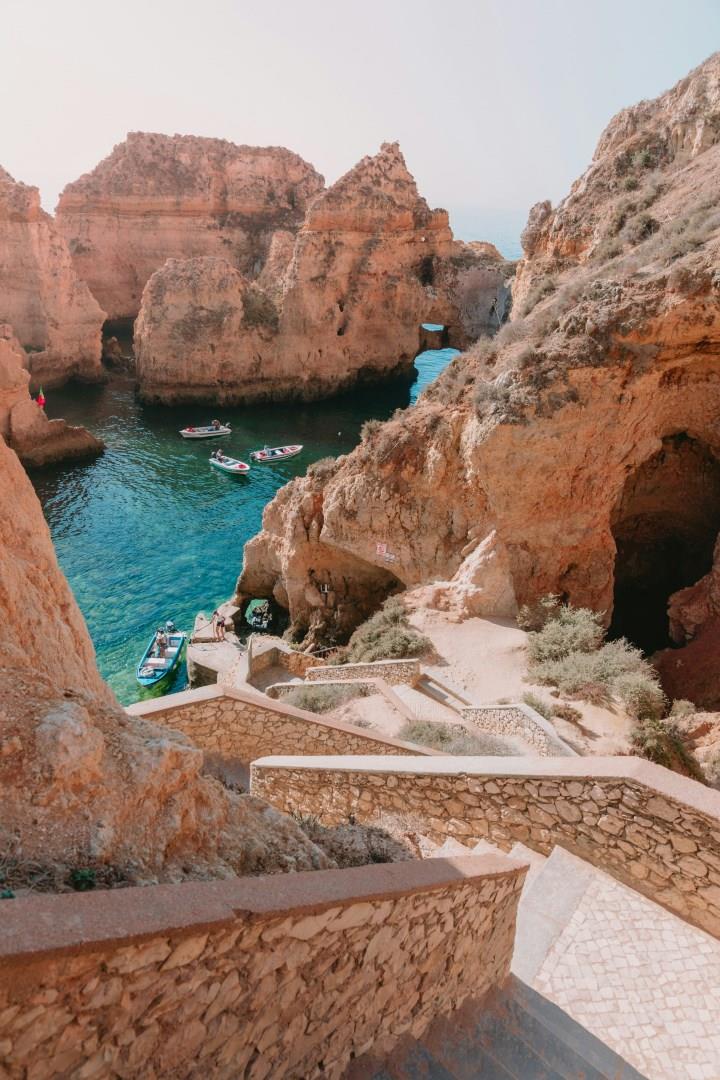
Lagos sits on the southern edge of Portugal’s Algarve where a lively old port town meets wide Atlantic skies. Just a short stroll from the heart of town, the coast drops away into a spectacle at Ponta da Piedade, where golden sandstone cliffs rise out of the Atlantic and have been shaped into stacks, natural arches and grottoes over millennia. At the top, the Ponta da Piedade Lighthouse watches over this dramatic shoreline and offers a great backdrop for photos as the sun sets into the ocean.
Pécs, Hungary, is a city that seamlessly blends history, culture, and a vibrant modern atmosphere. Nestled at the foot of the Mecsek Mountains in southern Hungary, Pécs boasts a rich heritage that dates back over 2,000 years. Visitors are often captivated by the city’s unique blend of Roman, Ottoman, and Hungarian influences.
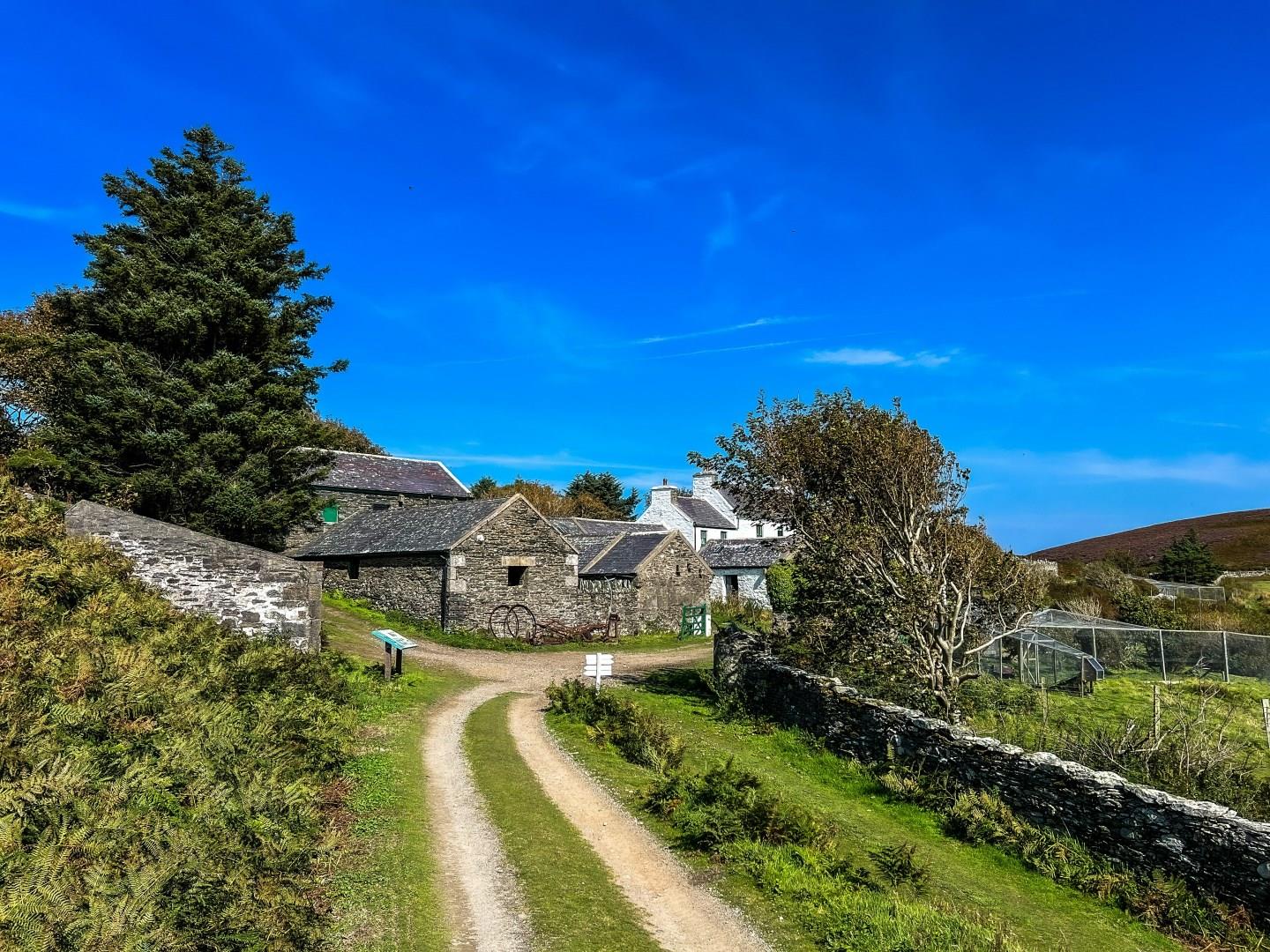
The Calf of Man, a small island off the southwest coast of the Isle of Man, offers a rare glimpse into a quieter side of the Irish Sea. Covering just over 260 acres, this uninhabited island is known primarily for its rich birdlife and dramatic coastal cliffs. Visitors often arrive by boat from nearby Port Erin, embarking on guided tours that reveal the island’s importance as a bird sanctuary.
Islamic and French influences blend together in charming Casablanca, Morocco’s iconic coastal city. Frequently used as a port for Spanish and Mediterranean cruises, Casablanca lies halfway between Marrakesh and Fes and is the perfect entryway for exploring the rest of Morocco.
Dutch Harbor, Alaska, located on Unalaska Island in the Aleutian chain, is a remote yet captivating destination that offers a unique blend of natural beauty, rich history, and vibrant culture. As the epicenter of the U.S. commercial fishing industry, Dutch Harbor is famous for its bustling harbor, where you can witness the impressive fleet of crab boats featured in the popular television show "Deadliest Catch". The sight of these rugged vessels returning with their hauls against the backdrop of snow-capped mountains and icy waters is nothing short of breathtaking.
History buffs will find Dutch Harbor's role in World War II particularly intriguing. The area was one of the few sites in North America that saw direct combat during the war, with the Japanese bombing of Dutch Harbor in 1942 leaving a lasting impact. Visitors can explore the remnants of this past at the Aleutian World War II National Historic Area, which includes bunkers, gun emplacements, and a museum that offers a poignant look at the region's wartime history. The Museum of the Aleutians also provides insight into the indigenous Unangan (Aleut) people, whose culture has shaped the island for thousands of years.
Nature enthusiasts will be drawn to Dutch Harbor for its incredible wildlife and rugged landscapes. The surrounding waters are teeming with marine life, making it a prime spot for whale watching, sea kayaking, and fishing. Bird watchers will be thrilled by the chance to see a variety of seabirds, including the iconic bald eagle, which is abundant in the area. For those who enjoy hiking, the island's trails offer stunning views of volcanic peaks, rolling tundra, and wildflower-filled meadows.
Fun fact: Dutch Harbor is the largest fishing port in the United States by volume, consistently ranking first in the nation for seafood landings, primarily due to its lucrative king crab and pollock fisheries. This makes it not only a vital part of Alaska's economy but also a fascinating place to witness the scale and intensity of commercial fishing operations up close .