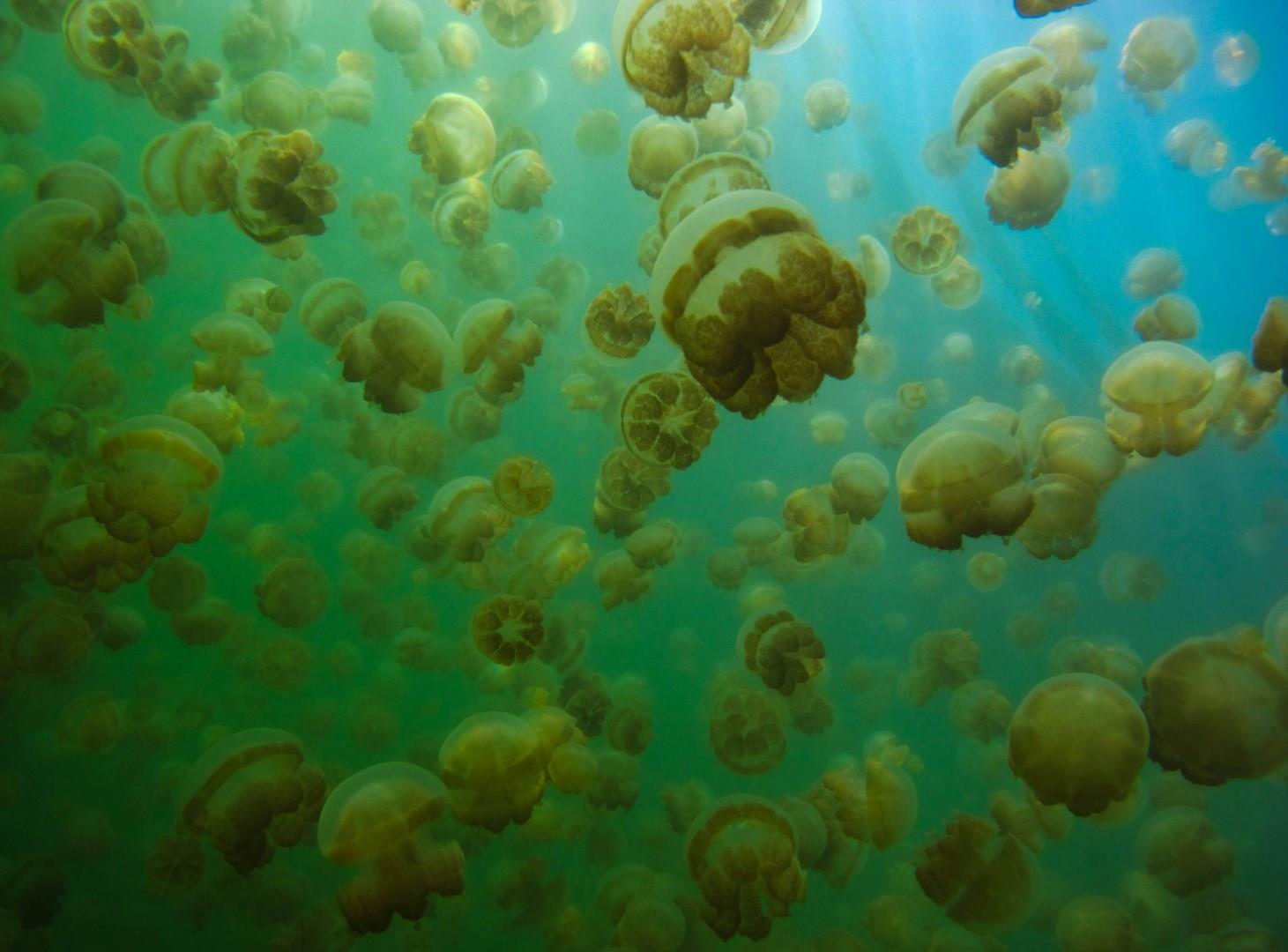
Jellyfish Lake is a shadowed oasis hidden among the mushroom-like Rock Islands of Palau. This forest‑fringed saltwater lake invites visitors to float with millions of gentle, stingless jellyfish that glow like drifting amber clouds under emerald light. The lake formed about 12,000 years ago, when rising seas flooded an ancient reef basin that was gradually cut off from the ocean. Over centuries, its jellyfish evolved in isolation, shedding their stings and multiplying without predators in sight.
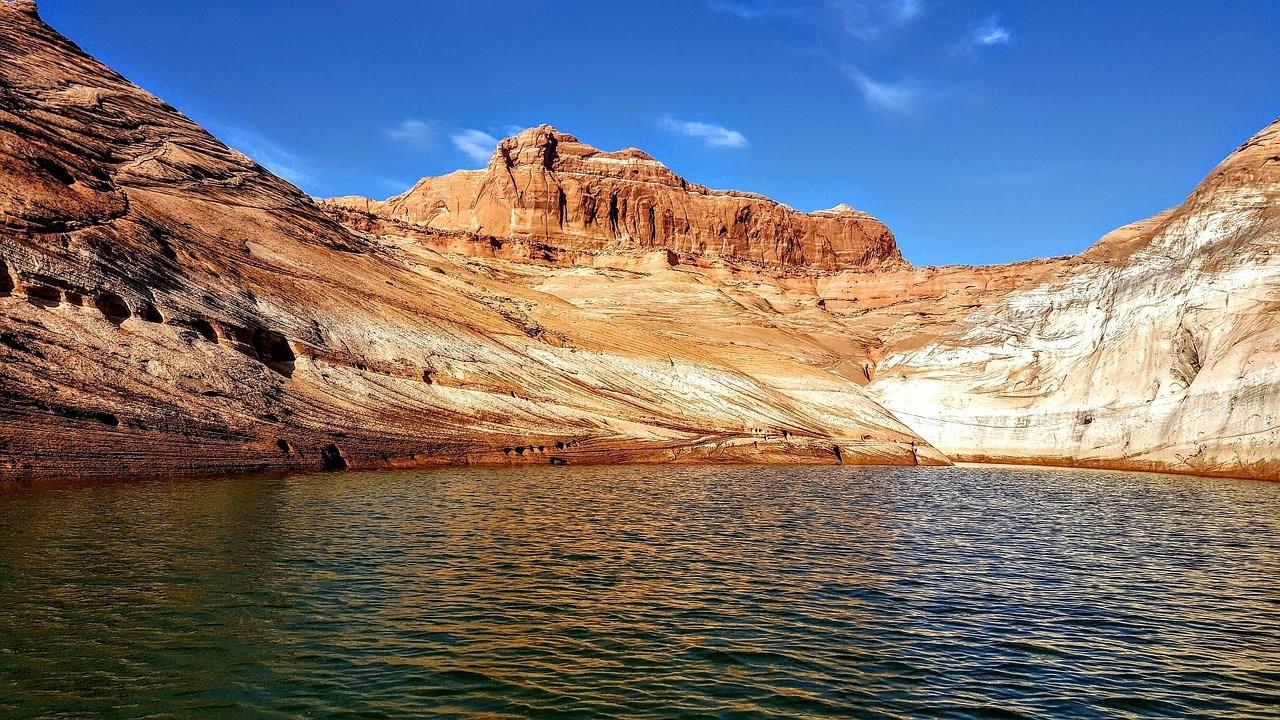
St. George, Utah, is a desert city in the state’s southwest corner, celebrated for its striking red rock landscapes, mild climate, and proximity to some of the American West’s most iconic natural wonders.
Latvia invites visitors to explore a land where medieval streets meet vast forests and a lively coastline. Riga, the country’s capital, is home to one of the largest and best-preserved collections of Art Nouveau architecture in Europe. Walking through the Old Town, visitors can admire intricate facades and cobblestone streets that lead to landmarks like the House of Blackheads and St. Peter’s Church, whose tower offers panoramic views of the city.
Bar, a coastal town in Montenegro, is known for its scenic beaches and centuries-old landmarks. One of the town’s most significant historical sites is Stari Bar, an ancient fortress settlement set against the dramatic backdrop of Mount Rumija.
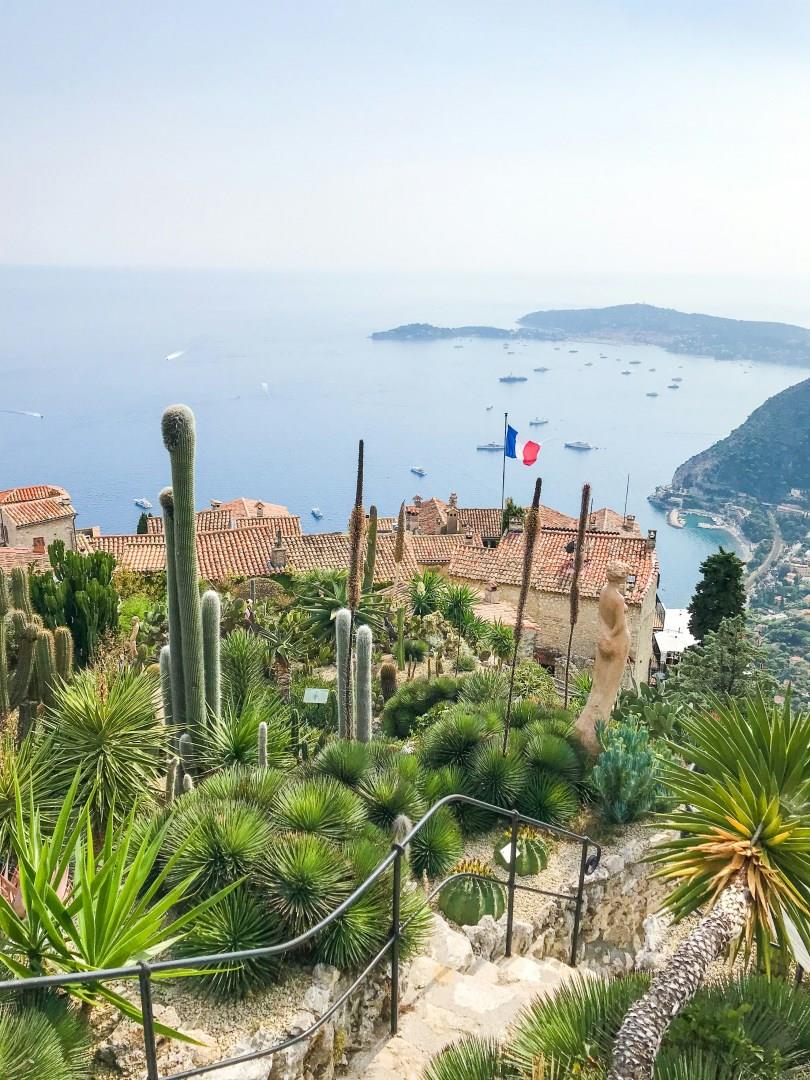
Eze is a hilltop village perched high above the Mediterranean on France’s Côte d’Azur, where stone houses and narrow lanes cling to a steep rocky outcrop between Nice and Monaco.
Dutch Harbor, Alaska, located on Unalaska Island in the Aleutian chain, is a remote yet captivating destination that offers a unique blend of natural beauty, rich history, and vibrant culture. As the epicenter of the U.S. commercial fishing industry, Dutch Harbor is famous for its bustling harbor, where you can witness the impressive fleet of crab boats featured in the popular television show "Deadliest Catch". The sight of these rugged vessels returning with their hauls against the backdrop of snow-capped mountains and icy waters is nothing short of breathtaking.
History buffs will find Dutch Harbor's role in World War II particularly intriguing. The area was one of the few sites in North America that saw direct combat during the war, with the Japanese bombing of Dutch Harbor in 1942 leaving a lasting impact. Visitors can explore the remnants of this past at the Aleutian World War II National Historic Area, which includes bunkers, gun emplacements, and a museum that offers a poignant look at the region's wartime history. The Museum of the Aleutians also provides insight into the indigenous Unangan (Aleut) people, whose culture has shaped the island for thousands of years.
Nature enthusiasts will be drawn to Dutch Harbor for its incredible wildlife and rugged landscapes. The surrounding waters are teeming with marine life, making it a prime spot for whale watching, sea kayaking, and fishing. Bird watchers will be thrilled by the chance to see a variety of seabirds, including the iconic bald eagle, which is abundant in the area. For those who enjoy hiking, the island's trails offer stunning views of volcanic peaks, rolling tundra, and wildflower-filled meadows.
Fun fact: Dutch Harbor is the largest fishing port in the United States by volume, consistently ranking first in the nation for seafood landings, primarily due to its lucrative king crab and pollock fisheries. This makes it not only a vital part of Alaska's economy but also a fascinating place to witness the scale and intensity of commercial fishing operations up close .
