
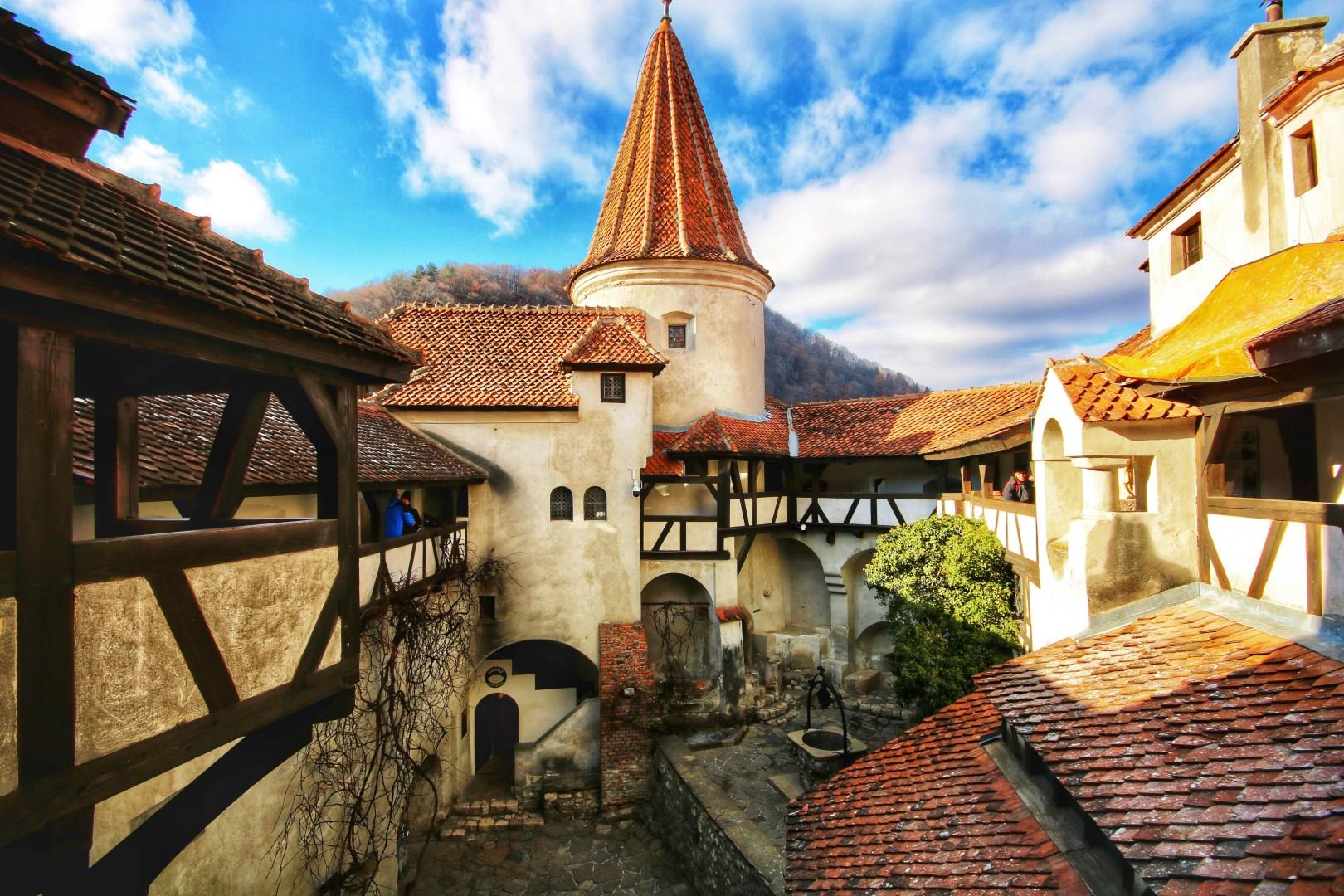
Bran
Bran, a small village nestled in the Carpathian Mountains of central Romania, is best known for its medieval fortress commonly referred to as “Dracula’s Castle.” While the connection to Bram Stoker’s fictional character is loose at best, Bran Castle continues to draw travelers with its striking towers, stone walls, and position on a rocky cliff. Originally built in the 14th century to defend against invading forces, the castle has passed through royal hands, most notably Queen Marie of Romania.

Luxembourg
Luxembourg City, the capital of the Grand Duchy of Luxembourg, is a stunning blend of medieval charm and modern sophistication. Perched atop dramatic cliffs and surrounded by deep gorges, this city offers a unique and breathtaking landscape. The UNESCO-listed Old Town is an essential starting point for visitors, with its ancient fortifications, narrow cobblestone streets, and grand squares.

Djerba
Djerba, an island off the southern coast of Tunisia, is known for its unique blend of Mediterranean charm and North African traditions. With its whitewashed villages, sandy beaches, and palm groves, the island has long been a place where cultures and histories intersect.

Los Cabos
Located on the southern end of Baja California Sur in Mexico, the Los Cabos municipality is a popular resort destination. Including the stunning city of Cabo San Lucas, Los Cabos offers spectacular beaches, panoramic ocean views, and a variety of fun activities, including golfing, hiking, and snorkeling.
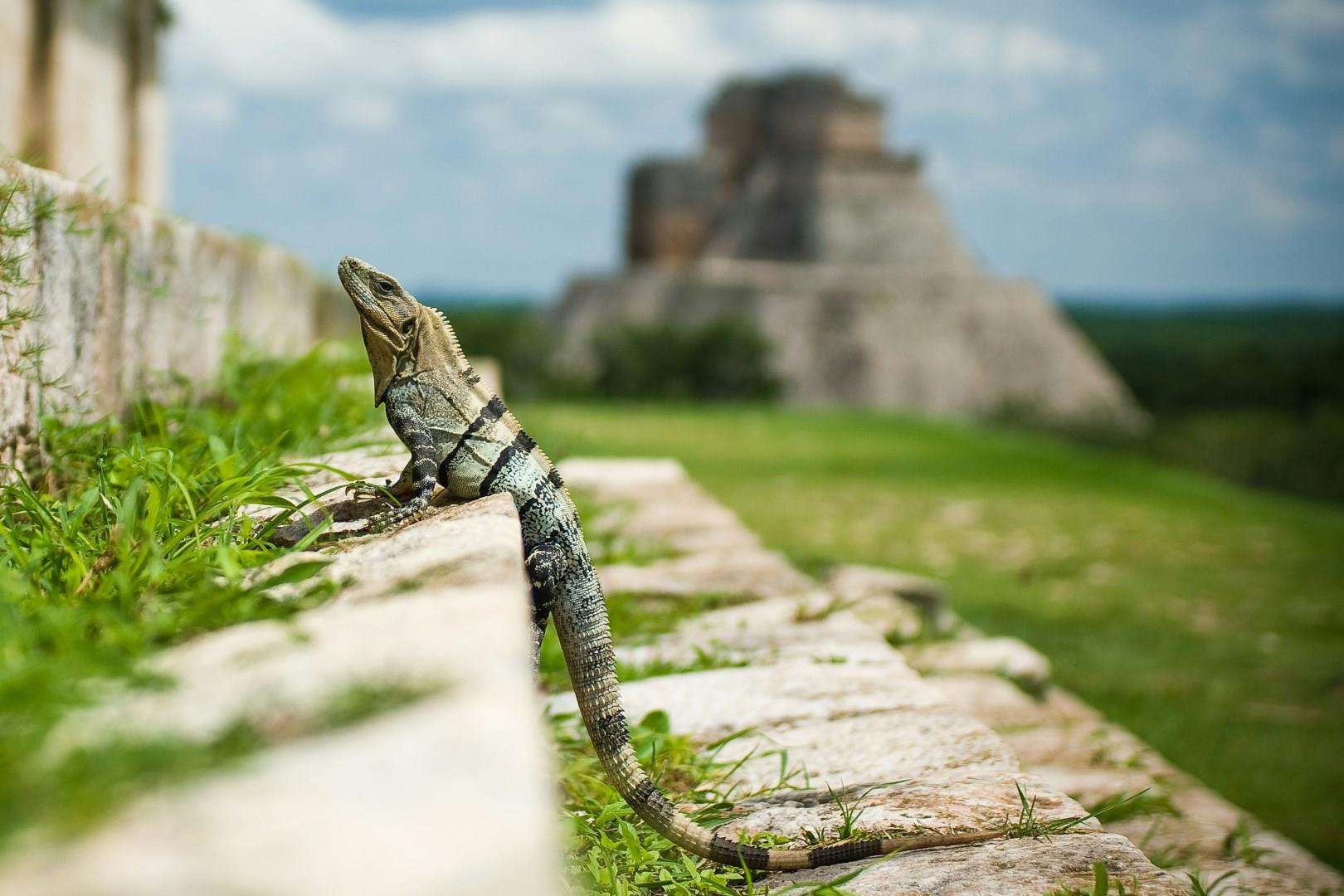
Uxmal
Uxmal, located about 80 kilometers south of Mérida in the Puuc region of Yucatán, is one of the most architecturally refined ancient Maya cities. Unlike other major Maya sites built with steep pyramids and narrow passageways, Uxmal is known for its smooth limestone structures, wide plazas, and intricate stone mosaics. One unique experience available to visitors is the nightly light and sound show, which uses colored projections to highlight carvings and narrate local legends and Maya cosmology.


