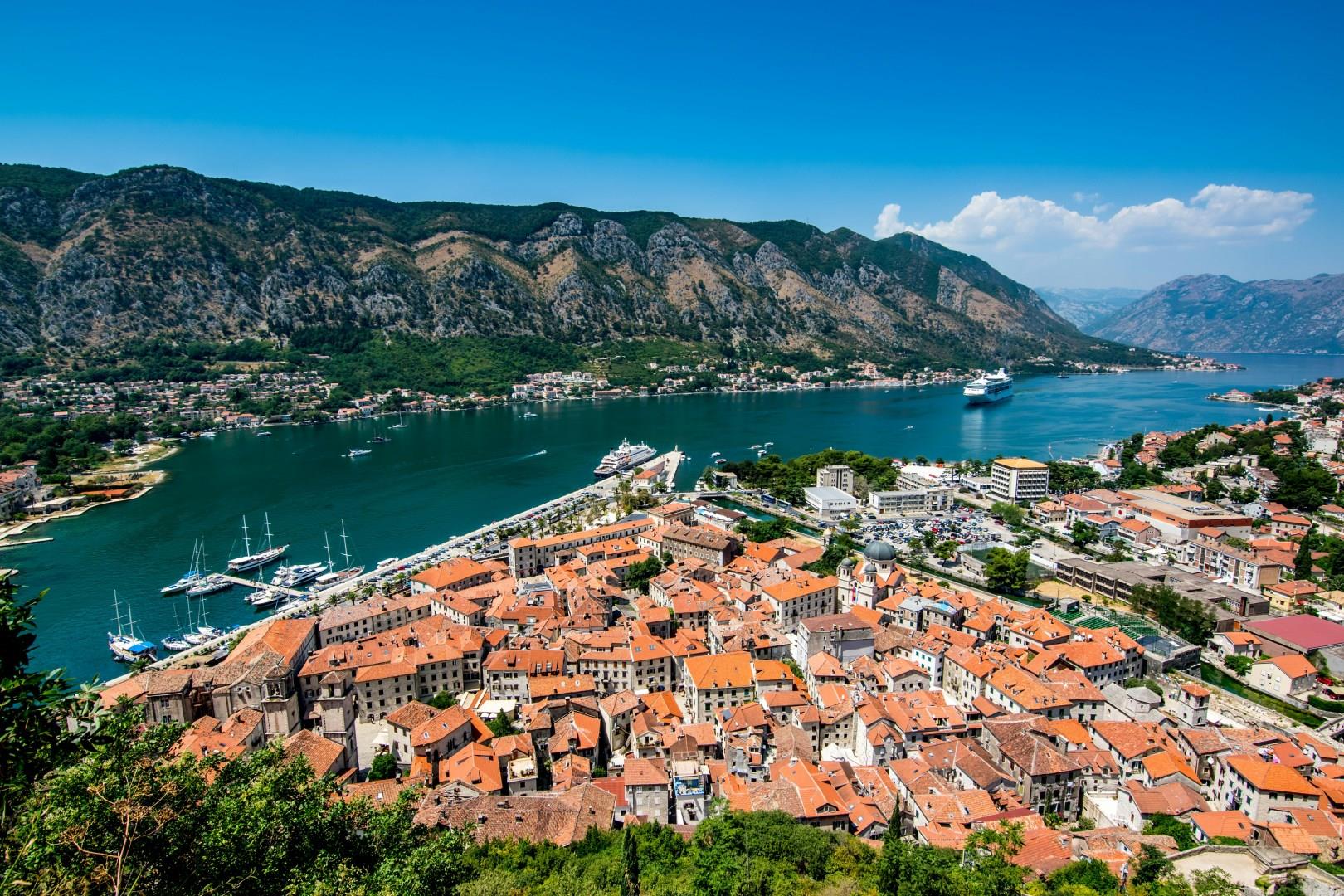
Montenegro, set along the Adriatic Sea, draws travelers with its dramatic landscapes and layered history. The Bay of Kotor, often mistaken for a fjord, is actually a submerged river canyon surrounded by steep cliffs and medieval towns. Kotor itself, a UNESCO World Heritage site, is enclosed by ancient fortifications that visitors can climb for panoramic views stretching from terracotta rooftops to the sea.
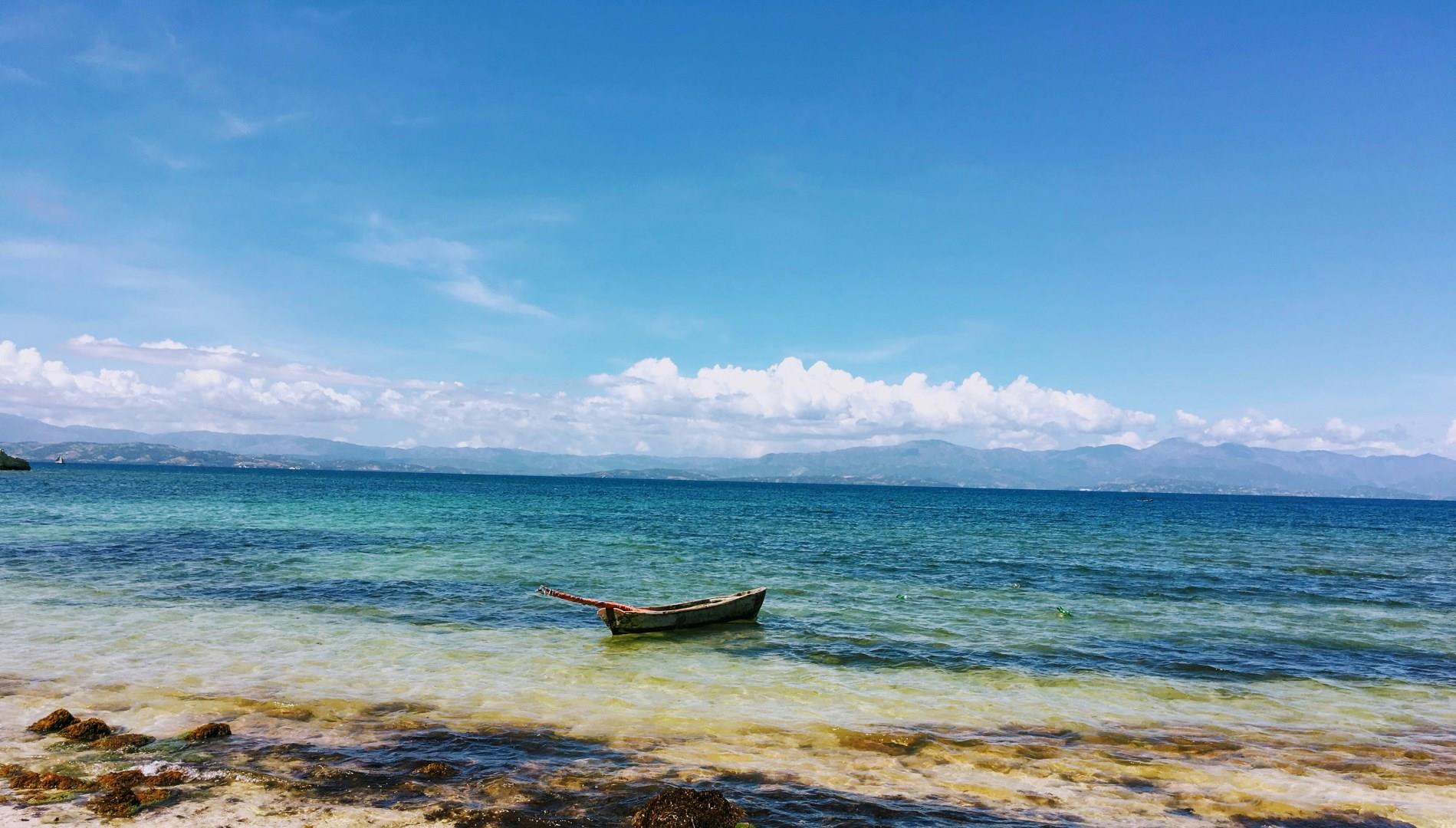
Ile a Vache, or "Cow Island," is a tranquil paradise off Haiti’s southern coast, offering a rare glimpse into an unspoiled Caribbean escape. With its pristine beaches, crystal-clear waters, and lush landscapes, the island is a haven for nature lovers and those seeking serenity.
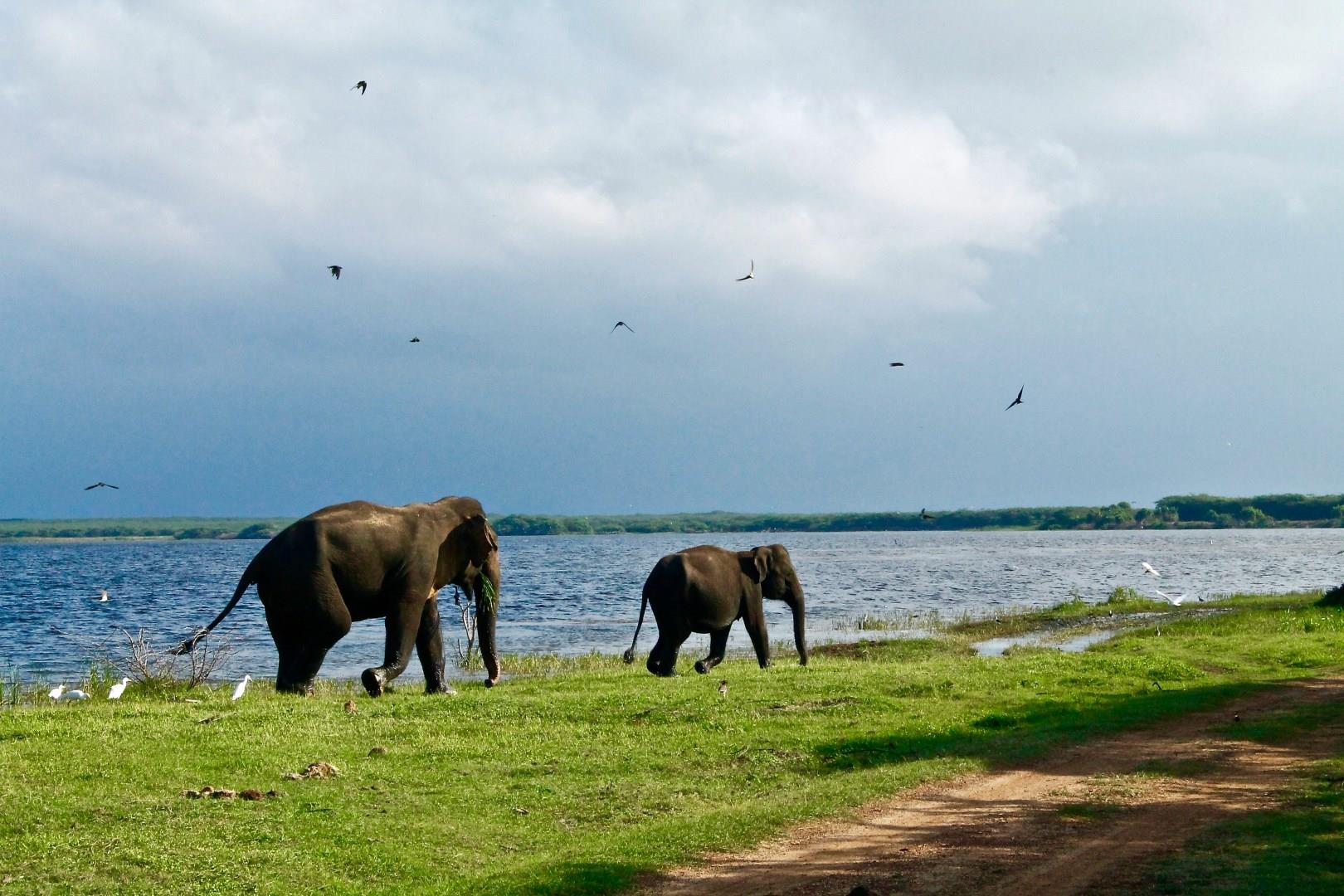
Tissamaharama, often called “Tissa” by seasoned travelers, sits in southern Sri Lanka as a town steeped in history and living culture. Once the capital of the ancient Ruhuna Kingdom in the 3rd century BCE, this settlement still radiates stories from the distant past in its temples, reservoirs, and even the streets where market life unfolds each day.

One of the most beautiful islands in the Bahamas, Grand Bahama Island is home to the renowned capitol city of Freeport/Lucaya. Grand Bahama Island offers lovely beaches, three national parks, a variety of natural wonders including an extensive system of underwater caves, and a vast array of marine life. The towns on the island range from the small and peaceful to the resort-filled city with its casinos and Bahamas entertainments.
Sydney, Australia, is a vibrant city where iconic landmarks, diverse neighborhoods, and natural beauty converge. The Sydney Opera House, with its striking sail-like design, and the Sydney Harbour Bridge are symbols recognized around the world, yet the city offers much more beyond its famous skyline.
Valparaíso, Chile, is a city that beckons travelers with its vibrant street art, steep hillsides, and bohemian spirit. Known as the "Jewel of the Pacific," Valparaíso's historical importance as a major port during the 19th century has left an indelible mark on its architecture and culture. The city's UNESCO-listed historic quarter is a labyrinth of colorful houses and cobblestone streets that seem to defy gravity as they cascade down to the Pacific Ocean (UNESCO). The iconic Ascensores (funiculars) that dot the city offer a unique way to explore these hills while providing stunning panoramic views.
One of the most compelling reasons to visit Valparaíso is its thriving arts scene. The city is essentially an open-air museum, with vibrant murals and street art adorning nearly every surface. A walk through Cerro Alegre and Cerro Concepción neighborhoods will reveal an ever-changing gallery of bold colors and creative expressions, with each piece telling a story of the city's past and present (Chile Travel). The art extends into the city's lively culture, with numerous galleries, cafes, and cultural centers where you can immerse yourself in the local creative energy.
Valparaíso is also deeply connected to the life and work of Chile's Nobel Prize-winning poet, Pablo Neruda. His house, La Sebastiana, perched high on a hill overlooking the bay, is now a museum dedicated to his legacy. Visitors can explore Neruda's eclectic collections and enjoy the same breathtaking views that inspired many of his writings (Fundación Pablo Neruda). This connection to Neruda adds a literary charm to the city's already rich cultural tapestry.
Fun Fact: Valparaíso hosts one of the most famous New Year's Eve celebrations in South America. The city's annual fireworks display, "Año Nuevo en el Mar," lights up the sky over the bay, attracting visitors from all over the world who come to witness this spectacular event (Valparaíso Tourism).