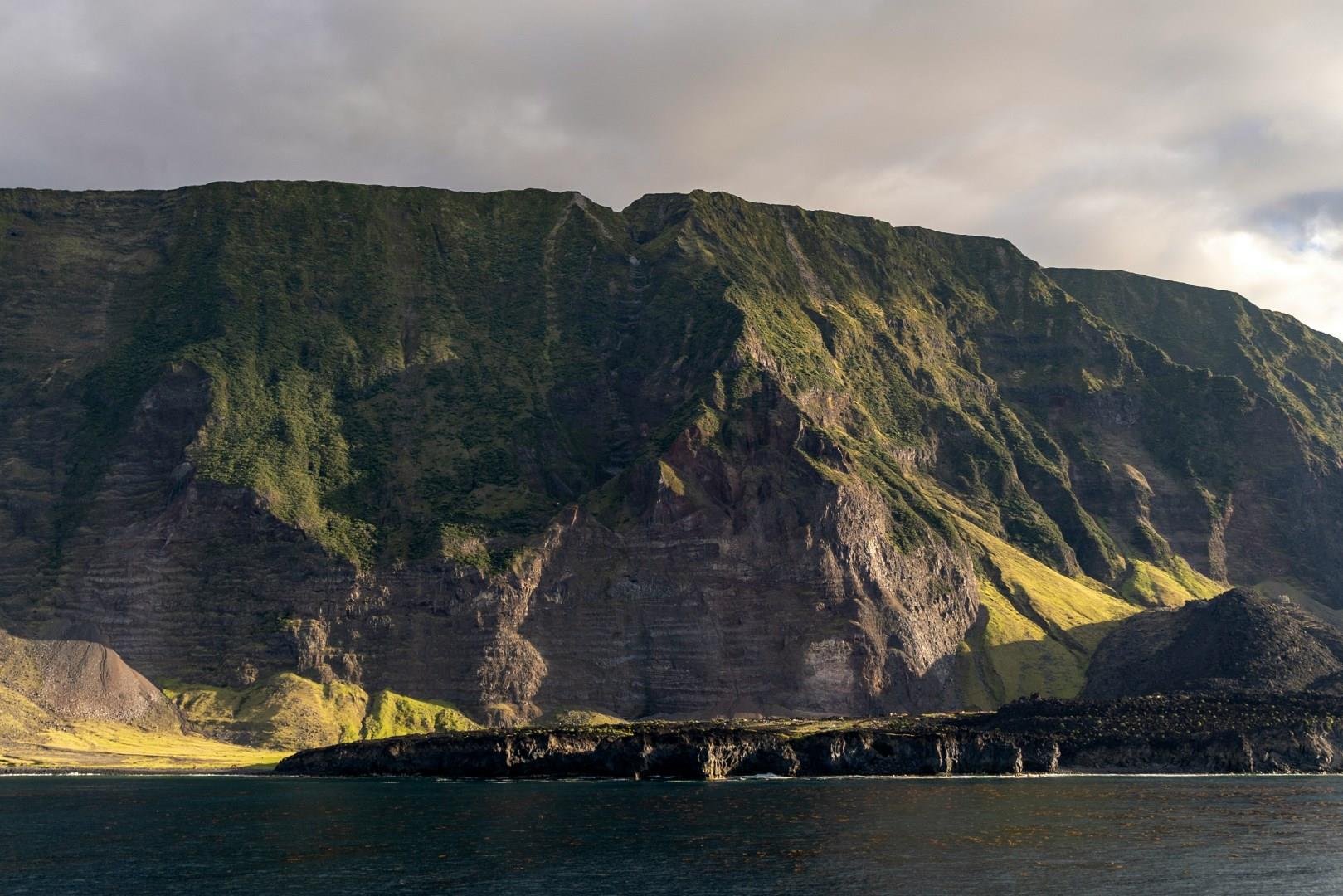
Dominica, known as the “Nature Island of the Caribbean,” is a haven for eco-tourists and adventure seekers. Nestled between the French islands of Guadeloupe and Martinique, this lush island boasts a remarkable landscape of volcanic mountains, dense rainforests, and stunning waterfalls. Dominica’s most iconic natural wonder is the Boiling Lake, the second-largest hot spring in the world.
New Orleans is unlike any other city in the United States. Founded in 1718, it carries layers of French, Spanish, African, and Caribbean influence that can be felt in everything from its architecture to its street music. The French Quarter, the oldest neighborhood in the city, is full of iron-laced balconies, gas lamps, and narrow streets that echo with the sounds of live jazz.
Kampot is a riverside town in southern Cambodia with a story that stretches from a bustling 19th-century seaport to a calm center for travelers seeking real local experiences. Wandering these streets reveals faded pastel facades, shuttered balconies, and hints of a past where merchants from China, Malaysia, and Europe met on this quiet stretch of the Cambodian coast.
Florø, the westernmost town in Norway, sits right at the edge of the sea as a small, coastal town with deep maritime roots and front-row views of the North Atlantic. Established in 1860 as a herring fishing hub, Florø still carries the rhythm of the ocean in daily life. Though small in size, the town serves as a jumping-off point to explore the rugged coastline, scenic fjords, and a collection of islands that each have their own stories and scenery.
La Fortuna, a small town in northern Costa Rica, sits in the shadow of the iconic Arenal Volcano, once the country’s most active and still one of its most visually striking. The town’s name, which means “The Fortune,” is no coincidence; it was spared when Arenal erupted unexpectedly in 1968, reshaping the landscape and eventually drawing visitors from around the world. Today, La Fortuna is known for its lush rainforest, geothermal activity, and stunning scenery that feels both wild and welcoming
Tortola, the largest island in the British Virgin Islands, beckons travelers with its idyllic beaches and vibrant culture. Known for its stunning natural beauty, Tortola offers crystal-clear waters, lush landscapes, and a range of outdoor activities. Cane Garden Bay, one of the island’s most famous beaches, is renowned for its powdery white sand and turquoise waters. Whether you’re lounging under a palm tree or snorkeling among vibrant coral reefs, this beach provides a quintessential Caribbean experience. For more information on activities, visit the British Virgin Islands Tourism website.
The island’s capital city, Road Town, is a lively hub of local culture and commerce. Here, visitors can explore the colorful markets and historical sites such as the Old Government House Museum. This museum offers insights into the island's colonial past and its transformation into a modern destination. The town also features charming shops and restaurants where you can savor local cuisine, including fresh seafood and Caribbean specialties.
For nature enthusiasts, Tortola is a paradise. Hike the trails of Mount Sage National Park, the highest point on the island, to enjoy panoramic views of the surrounding archipelago. The park’s diverse flora and fauna make it a rewarding destination for eco-tourists. Additionally, Tortola is a gateway to the nearby Virgin Gorda and Anegada islands, each offering unique attractions such as the famous Baths on Virgin Gorda and the stunning coral reefs of Anegada.
Fun Fact: Tortola is named after the Spanish word "tortola," which means "turtledove." The island’s lush environment and tranquil waters provide an ideal habitat for these birds, adding a touch of local charm to your visit.