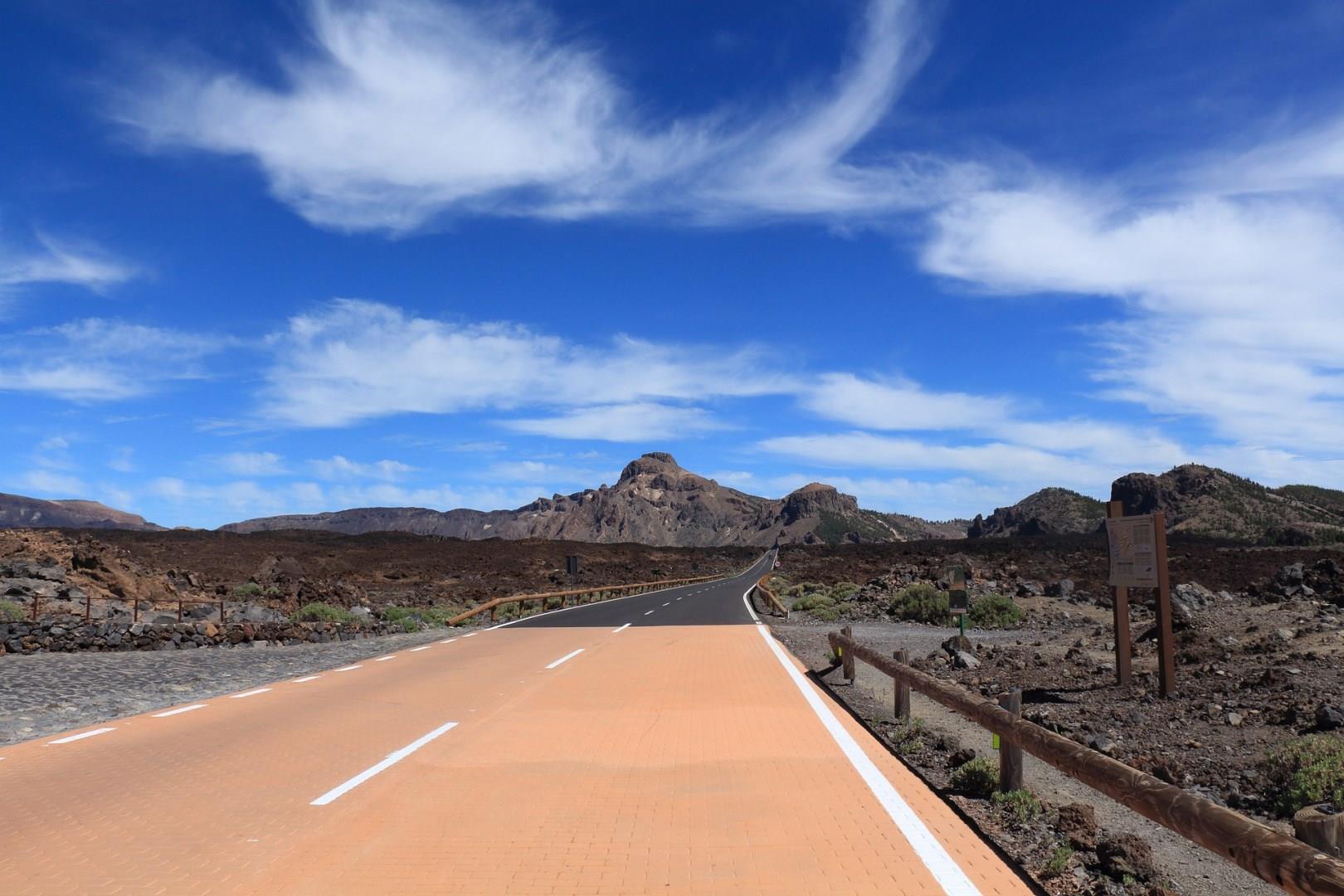
Kangerlussuaq
Kangerlussuaq, Greenland, is a gateway to the stunning Arctic wilderness and an essential stop for any intrepid traveler seeking adventure in the icy realms of the north. This remote town, located on the western coast of Greenland, is renowned for its dramatic landscapes, including the vast Søndre Strømfjord, one of the longest fjords in the world.
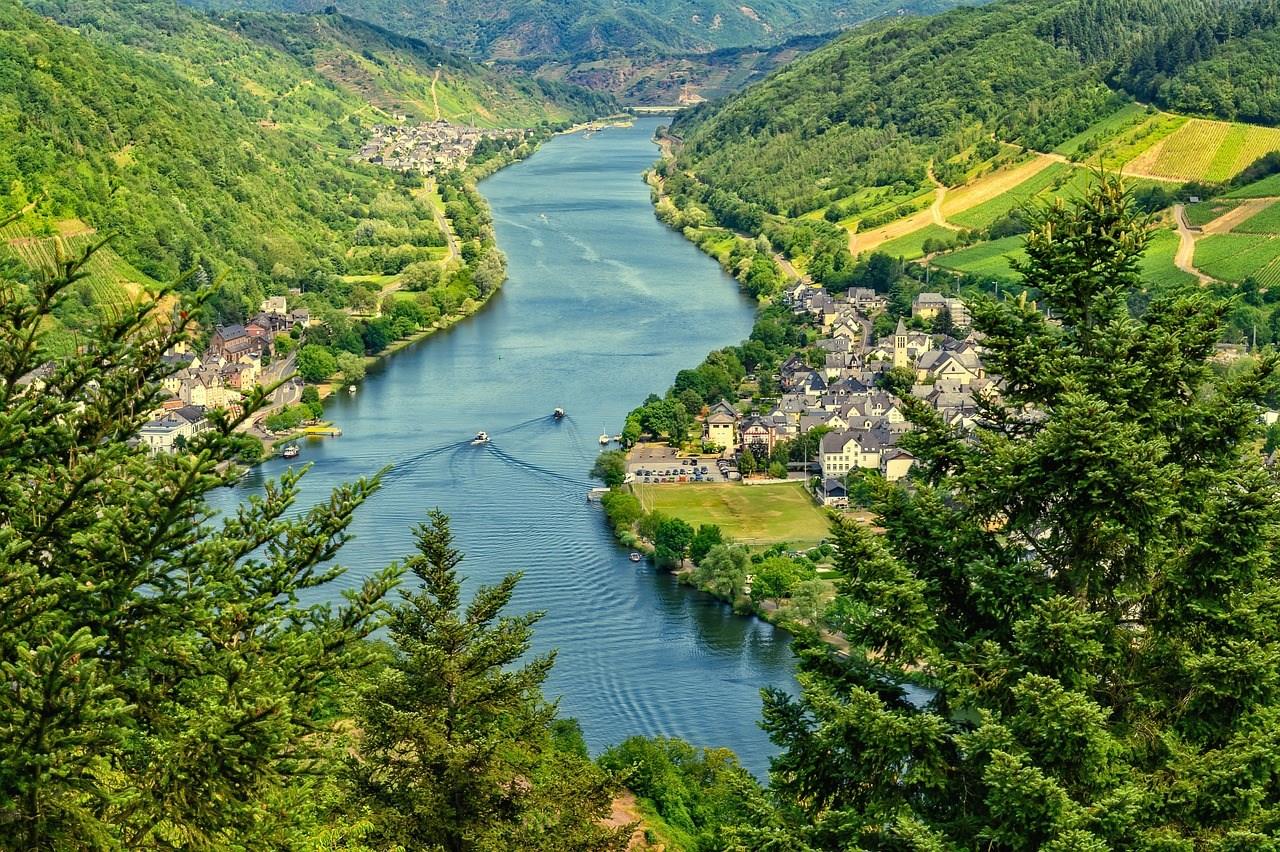
Moselle River
A tributary of the Rhine, the Moselle River flows through France, Luxembourg and Germany. The Moselle also lends its name to a region of France, a valley which it bisects, and a wine produced along its banks.

Boracay
Boracay, a small island in the central Philippines, is famous for its white-sand beaches and clear turquoise waters. Despite its size, the island offers a wide range of activities, from swimming and snorkeling to paddleboarding and sailing.

Portorož
Portoroz lies on Slovenia’s short Adriatic coast, where its identity has been shaped by the sea and by centuries of salt production in the nearby Sečovlje pans.

Death Valley
Death Valley, California, is a land of extremes that captures the imagination with its striking desert landscapes and surreal beauty. Located in the Mojave Desert, it is the hottest, driest, and lowest national park in the United States. Visitors are drawn to its iconic features, such as the vast salt flats of Badwater Basin, which at 282 feet below sea level, mark the lowest point in North America.